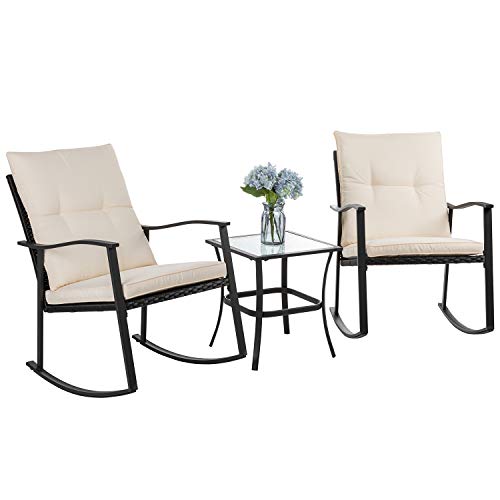
Outdoor Wicker Rocking Chairs With Cushions: The Complete Buyer’s Guide
Everything you need to know about choosing all-weather wicker rockers with cushions — frame construction, cushion materials, sizing, comfort, and long-term care — so you can buy with confidence.
Why wicker rockers with cushions deserve a closer look: A rocking chair blends motion, comfort, and nostalgia, while wicker adds texture and a relaxed, porch-ready aesthetic. But not all wicker rockers are built the same. This guide breaks down what separates a durable, comfortable outdoor rocker from one that fades or sags after a single season, and how to match a set to your porch, patio, or deck.
Why Outdoor Wicker Rocking Chairs With Cushions Are a Smart Choice
Outdoor wicker rocking chairs combine two of the most desirable qualities in patio seating: the soothing, gentle motion of a rocker and the visual warmth of woven wicker. Unlike solid wood or bare metal rockers, a cushioned wicker rocker is designed for extended lounging — morning coffee, evening reading, or simply watching the garden. The weave also hides minor scuffs and weathering better than smooth finishes, which helps the chair stay presentable through years of outdoor exposure.
Cushions are the difference between a chair you sit in for ten minutes and one you sink into for an hour. A well-matched cushion set adds pressure relief, insulation from hot or cold surfaces, and a layer of personal style. If you are still comparing broader seating categories, our guide to outdoor wicker chairs covers stationary styles and how rocking chairs fit into a complete patio layout.
Quick Buyer Snapshot
Best for: porches, covered patios, decks, and sunrooms where gentle motion and relaxed seating are priorities.
Key decision factors: frame material, wicker type, cushion fabric and foam, seat height, and set configuration (single chair vs. pair).
Typical configurations: single rocker, wicker rocking chair set of 2, or a pair paired with a side table for a conversation nook.
Materials That Matter: Frame, Wicker, and Cushion Construction
The Frame: The Backbone of a Durable Rocker
The frame determines how stable the rocker feels, how easily it moves, and how well it resists rust over time. Powder-coated aluminum is the most common choice for quality outdoor wicker rockers: it is lightweight, will not rust, and holds up well in humid or coastal climates. Steel frames are heavier and can feel more planted, but they depend on a high-grade rust-proof finish to survive outdoor exposure. Always check that the rocker’s base and rocker rails are reinforced — these are the highest-stress points on any rocking chair.
The Wicker: Natural vs. All-Weather Resin
Natural wicker (rattan, willow, or reed) offers an authentic look but demands more care and does not tolerate prolonged rain or strong UV. All-weather resin wicker — typically high-density polyethylene woven over the frame — is the standard for outdoor use. It resists moisture, fading, and cracking, and modern resin weaves can closely mimic the texture of natural rattan. For a deeper dive into material performance, see our overview of waterproof material for garden furniture.
The Cushions: Fabric, Foam, and Fit
Cushions are where most outdoor rockers succeed or fall short. Look for covers made from solution-dyed acrylic or olefin, both of which resist fading and mildew. Quick-dry foam cores allow water to pass through rather than pooling inside, and removable, zippered covers make cleaning far easier. Cushion thickness matters too: a thicker seat cushion improves comfort but can affect how the rocker’s balance feels. If you already own wicker seating and only need to refresh the padding, replacement options such as wicker couch replacement cushions show the range of fabrics and fills available.
Understanding Quality Tiers Without the Guesswork
Outdoor wicker rocking chairs with cushions fall into broad quality tiers. The table below uses universal tier descriptors so you can compare products on construction and features rather than marketing language. Use it as a framework when reading product listings.
| Tier | Typical Construction | Cushion Quality | Best For |
|---|---|---|---|
| Entry-level | Lighter resin wicker over a basic metal frame; simpler rocker rail design | Thinner foam, standard polyester or basic olefin covers | Occasional use on covered porches and seasonal setups |
| Mid-range | Denser all-weather wicker over powder-coated aluminum; reinforced rails | Quick-dry foam with solution-dyed acrylic or upgraded olefin | Everyday family use on patios and decks |
| Premium | High-density weave, commercial-grade aluminum frame, precision-balanced rockers | High-resilience quick-dry foam, premium acrylic covers, removable and washable | Frequent use, sun-exposed decks, coastal environments |
| Luxury / commercial-grade | Architectural weave patterns, heavy-duty frame, tested weight ratings and long warranties | Multi-layer cushion systems with premium outdoor textiles | Hospitality settings and design-focused outdoor rooms |
As a rule of thumb, moving up a tier generally improves the smoothness of the rocking motion, the density of the weave, and the longevity of the cushion covers. A mid-range model is often the sweet spot for homeowners who want daily comfort without stepping into flagship territory.
Comfort, Sizing, and Rocking Motion
Comfort in a rocking chair is not just about the cushion — it is the relationship between seat height, seat depth, back angle, and the curve of the rocker rails. A seat that is too deep can make shorter users slide forward, while a back that reclines too far can feel unstable when rocking. Test or review these dimensions carefully:
- Seat height: A seat height that lets your feet rest flat on the ground makes rocking feel natural and controlled.
- Seat depth: Deeper seats suit taller users; pair them with a supportive back cushion.
- Armrest height: Armrests should support your forearms without forcing your shoulders up.
- Rocker rail curve: A gentle curve gives a smoother, more controlled motion; a sharper curve feels more dynamic but can be harder to control on uneven surfaces.
- Weight capacity: Check the stated rating, especially for heavier users or shared seating.
For a pair of rockers, plan spacing carefully. Leave enough room between chairs for the rockers to move without colliding, and keep a clear path behind them. If your space is tight, a compact two-chair arrangement with a small table between them works better than a single oversized rocker. Our guide to wicker side tables with glass tops can help you complete the setup.
Layout Tip for a Porch Nook
Angle two rockers slightly toward each other rather than placing them parallel. This creates a natural conversation area, improves the view from each chair, and makes the pair feel intentional rather than lined up against a wall.
Styling Wicker Rockers to Fit Your Outdoor Space
Wicker is naturally versatile. In a coastal setting, white or light-gray resin wicker with navy or striped cushions reads clean and breezy. On a rustic farmhouse porch, natural-tone wicker with earthy cushions and a wooden side table feels grounded. For a modern patio, dark espresso wicker with neutral cushions and a slim metal table keeps the look tailored.
Cushion color is the easiest way to shift the mood. Removable covers let you rotate palettes seasonally without replacing the chairs. If you want to explore coordinated seating beyond rockers, browse our collection of wicker lounge chairs with cushions to see how the same weave family can unify a larger seating plan.
Care and Maintenance for Long-Term Performance
Outdoor wicker rockers are low-maintenance, but a little routine care dramatically extends their lifespan:
- Routine cleaning: Rinse the wicker with a hose and mild soap a few times per season. Use a soft brush to clear debris from the weave crevices.
- Cushion care: Shake out and air-dry cushions regularly. Store them in a dry place during heavy rain or off-season. A dedicated waterproof storage box for cushions keeps them protected and extends fabric life.
- Winter protection: If you leave the chairs outside year-round, use fitted covers during extended wet or freezing periods. Remove cushions before covering to prevent trapped moisture.
- Frame checks: Periodically inspect the rocker rails and joints for looseness. Tighten hardware as needed to keep the rocking motion smooth and safe.
For broader seasonal maintenance guidance, our article on waterproof storage boxes with wheels explains how to move and store outdoor items efficiently between seasons.
A Practical Buying Checklist
Before you commit to a set, run through these checks:
- Confirm the frame material and look for a rust-proof or powder-coated finish.
- Verify the wicker type — all-weather resin is the safer outdoor choice.
- Review cushion fabric and foam specs, especially for sun and rain exposure.
- Measure your space and confirm the rocker’s footprint, including rocking clearance.
- Check weight capacity and warranty terms.
- Decide between a single rocker and a wicker rocking chair pair based on how you plan to use the space.
Frequently Asked Questions
Are outdoor wicker rocking chairs with cushions weather resistant?
Most modern models use all-weather resin wicker over a powder-coated frame, which resists rain and UV fading. Cushion performance varies — choose solution-dyed acrylic or olefin covers with quick-dry foam for the best outdoor durability.
What frame material should I look for?
Powder-coated aluminum is the preferred frame because it is lightweight, rust-resistant, and easy to reposition. Steel frames are heavier and sturdy but need a high-grade rust-proof finish to hold up outdoors.
How do I maintain wicker rocking chairs with cushions?
Rinse the wicker with a hose and mild soap a few times per season and brush away debris from crevices. Store cushions in a dry place when not in use, and use furniture covers during extended wet or cold periods.
What size rocking chair set works for a small porch?
A two-chair set with a compact side table is the most versatile layout for small porches. Measure the available width first, keep clearance between chairs for comfortable rocking, and choose chairs with a smaller footprint if space is tight.
Ready to Compare Options?
Browse our recommended outdoor wicker rocking chairs with cushions below. Each listing includes construction details and cushion specs so you can match a set to your porch, patio, or deck.