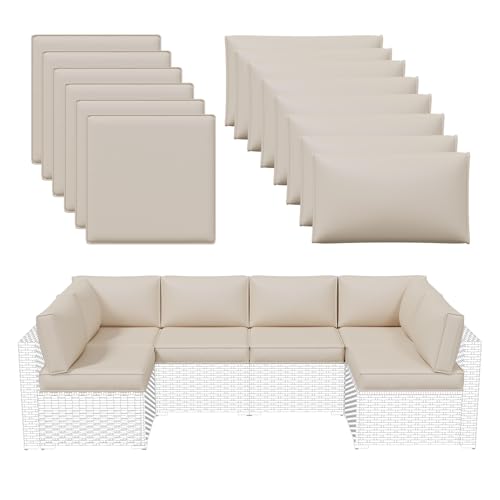
Outdoor Wicker Couch Replacement Cushions: A Complete Buyer's Guide
If your wicker couch frame is still sturdy but the cushions have flattened, faded, or lost their charm, replacement cushions are the smartest way to restore comfort and style without replacing the entire seating set. This guide walks you through measuring, choosing materials, understanding foam grades, and picking the right cushions for your climate and layout.
Why Replace Wicker Couch Cushions Instead of the Whole Couch
Wicker and rattan frames are remarkably durable when they are made from high-density polyethylene resin or treated natural fibers. The cushions, however, take the brunt of daily use: sun exposure, rain, spilled drinks, and constant compression. Replacing just the cushions is usually the most efficient path to a fresh-looking seating area, especially when the frame remains solid and the weave is intact.
Replacement cushions also give you a chance to upgrade comfort and design. You can move from a basic entry-level cushion to a mid-range or premium option with better foam density, upgraded fabric, and improved ties. You can also change the color palette to match a new outdoor rug, umbrella, or seasonal decor theme.
Before ordering, confirm that the frame itself is worth keeping. Inspect the weave for cracks, check the legs and supports for stability, and look for rust or corrosion on metal components. If the frame is sound, replacement cushions are a worthwhile investment that extends the life of your outdoor seating. For related seating upgrades, explore our guide to outdoor wicker couch replacement cushions and broader outdoor wicker sectional replacement cushions if your couch is part of a larger sectional layout.
How to Measure Your Wicker Couch for Replacement Cushions
Accurate measurements are the single most important factor in a successful cushion replacement. Outdoor wicker couches vary widely in seat depth, back height, and arm configuration, so a "standard" cushion may not fit your frame. Follow a structured measuring routine to avoid returns and gaps.
Step-by-Step Measuring
- Measure seat width. Measure the interior width between the arms or side frames at the seat level. If your couch uses individual seat cushions, measure each seat section separately.
- Measure seat depth. Measure from the front edge of the seat frame to the back frame. If the back is angled, measure along the seat plane rather than following the angle.
- Measure cushion thickness. Note the thickness of your current cushions. Standard outdoor cushions often range from thin pads to thicker, plush builds. Thickness affects both comfort and how the cushion sits within the frame.
- Measure back cushion height and width. Back cushions may be square, rectangular, or wedge-shaped. Measure the visible backrest area and note whether the back cushions rest on top of the seat cushions or tuck behind them.
- Check corner and arm clearance. Some wicker frames have curved arms or decorative corners that reduce usable cushion space. Measure the tightest point to ensure the cushion will sit flush.
If you are also refreshing the surrounding seating, our guides to outdoor wicker loveseat and outdoor wicker sofa cover frame styles that commonly pair with replacement cushion sets.
Fabric and Weather Resistance: What to Look For
Outdoor cushion fabric must handle sun, moisture, and occasional spills without losing color or structural integrity. The most common outdoor fabrics are solution-dyed acrylic, polyester blends, and olefin. Each has strengths and trade-offs, and the right choice depends on your climate and how much direct sun your couch receives.
| Fabric Type | Best For | Key Strengths | Considerations |
|---|---|---|---|
| Solution-dyed acrylic | Sun-heavy patios and long-term outdoor use | Excellent UV resistance, colorfast, mold-resistant when maintained | Premium tier; typically higher initial investment |
| Polyester blend | Covered patios and seasonal use | Soft hand, broad color selection, easy to clean | May fade faster in constant direct sun |
| Olefin | Humid climates and poolside areas | Moisture-resistant, quick-drying, durable | Can feel less soft than acrylic; check weave quality |
| Performance woven blends | High-use family patios | Balanced durability and comfort, stain-resistant finishes | Quality varies by manufacturer; verify UV ratings |
Look for fabrics described as UV-resistant, fade-resistant, and water-repellent. If your couch sits under a pergola or covered porch, you have more flexibility, but direct-sun exposure demands a fabric rated for long-term UV stability. For broader guidance on protecting outdoor materials, see our article on outdoor waterproof material for garden furniture.
Foam Fill and Comfort Tiers
The foam inside your replacement cushions determines how comfortable the couch feels and how well it holds up over time. Outdoor foam is different from indoor upholstery foam because it must resist moisture, dry quickly, and maintain resilience through temperature changes. Understanding the tiers helps you match the cushion to your expectations.
Common Outdoor Foam Options
- Entry-level polyurethane foam: A basic choice for occasional seating. It offers adequate comfort for light use, but may compress faster in high-traffic areas.
- Mid-range high-density foam: A balanced tier that holds shape well and provides solid support for daily use. Often paired with a polyester fiber wrap for a softer surface feel.
- Quick-dry reticulated foam: An open-cell structure that allows water to pass through and air to circulate. Popular in humid climates and poolside settings.
- Premium and luxury layered foam: Combines high-density core foam with softer comfort layers or fiber wraps. These cushions tend to recover better and feel more supportive over many seasons.
If you prefer a firmer seat, look for higher-density foam with a thinner fiber wrap. If you prefer a plusher feel, a softer top layer or a fiber-wrapped core may suit you better. Keep in mind that thicker cushions are not automatically more comfortable; the density and layering matter more than thickness alone.
Cushion Types and Configurations
Outdoor wicker couches come in several seating configurations, and replacement cushions are sold in matching formats. Identifying your couch's configuration before you shop prevents mismatched sets and gaps.
Common Configurations
- Single bench seat cushion: One long cushion spans the full seat width. This is common on loveseats and smaller sofas.
- Individual seat cushions: Separate cushions for each seating position. These are easier to rotate and clean.
- Seat and back cushion sets: Cushions sold together with coordinated seat and back pieces. This is the most common replacement format.
- Corner and wedge cushions: Used on sectional couches and corner seating. These require specific measurements and are often sold as part of sectional cushion sets.
- Cover-only options: Replacement covers that fit over existing foam inserts. This is a good option when the foam is still firm but the fabric is worn.
If your couch is part of a larger arrangement, you may need to coordinate with other seating pieces. Our guides to outdoor wicker sectional and outdoor wicker chairs provide context on frame styles and cushion compatibility.
Ties, Zippers, and Fit Details That Matter
Small construction details make a big difference in how replacement cushions perform and how long they last. Pay attention to these features when comparing options.
Attachment and Closure Features
- Tie-down straps: Fabric ties or elastic straps keep cushions anchored to the frame, especially in windy conditions. Look for reinforced stitching at the attachment points.
- Zippers: Removable covers with zippers are easier to clean and replace. Check that the zipper is hidden or protected from direct sun exposure.
- Non-slip backing: Some cushions include a textured underside or grip dots to reduce sliding on smooth wicker surfaces.
- Piping and seams: Double-stitched seams and reinforced piping add durability. On premium tiers, expect cleaner finishing and tighter tolerances.
- Ventilation: Some covers include mesh vents or breathable panels to reduce moisture buildup inside the foam.
If you frequently move cushions or store them during off-season, quick-dry foam and lightweight covers make handling easier. For storage solutions that protect your cushions, see our guide to outdoor waterproof storage box for cushions.
Care and Storage Practices for Long-Lasting Cushions
Replacement cushions are an investment in your outdoor living space, and proper care extends their useful life. A simple maintenance routine keeps fabric looking fresh and foam performing well.
Routine Care
- Brush off loose dirt and debris weekly to prevent it from working into the fabric weave.
- Spot clean spills promptly with mild soap and water. Avoid harsh chemicals that can break down UV-resistant finishes.
- Allow cushions to air dry thoroughly before replacing them on the frame. Standing water trapped under cushions can encourage mildew.
- Rotate seat cushions periodically to distribute wear and maintain even foam compression.
- Store cushions in a dry, ventilated space during extended periods of rain or winter weather.
If you notice persistent musty odors or visible mildew, deep clean according to the fabric manufacturer's instructions. In many cases, replacing the foam insert while keeping the cover is a practical middle path. For related reading, explore our patio chair cushions set of 4 clearance guide, which covers how to evaluate cushion condition before you commit to a replacement.
Frequently Asked Questions
How do I know if my wicker couch needs new cushions or just new covers?
If the foam inserts are still firm and recover their shape after compression, replacement covers may be sufficient. If the foam feels flat, crumbly, or permanently compressed, replacing the full cushion is the better choice.
Can replacement cushions fit any wicker couch?
Not exactly. Replacement cushions are sized to specific dimensions, and wicker couches vary in seat width, depth, and back height. Always measure your frame and compare against the product's listed dimensions before ordering.
What is the best cushion fill for a humid climate?
Quick-dry foam with an open-cell structure is often the best fit for humid climates because it allows water to drain and air to circulate. Pair it with a breathable, moisture-resistant cover fabric for the best results.
How many cushions do I need for a three-seat wicker couch?
It depends on the configuration. A three-seat couch may use one long bench cushion, three individual seat cushions, or a combination of seat and back cushions. Check your current setup and measure each piece separately.
Can I machine wash outdoor cushion covers?
Many removable outdoor cushion covers are machine washable on a gentle cycle, but always check the manufacturer's care label first. Air drying is generally safer than machine drying, which can shrink fabric or damage water-repellent finishes.
Related Reading
Refreshing your wicker couch is often part of a larger patio update. These guides cover complementary topics that help you plan a cohesive outdoor space.