Oversized Patio Chair: The Complete Buying Guide for Big & Tall Comfort
Everything you need to know about choosing an oversized outdoor chair that fits your body, supports your posture, and survives the elements—without compromising on style.
Explore Buying FactorsWhy an oversized patio chair matters: Standard patio chairs are built for average body types, which means many people end up with a chair that pinches at the hips, digs into the shoulders, or feels unstable after a season of use. An oversized patio chair solves those problems by offering a wider seat, deeper cushioning, higher back support, and a reinforced frame rated for higher weight capacities. This guide walks you through every decision—from frame material and weight ratings to cushion density and space planning—so you can buy with confidence.
What Makes a Patio Chair "Oversized"?
An oversized outdoor chair is not simply a larger version of a standard chair. It is purpose-built with dimensions and structural specifications that accommodate bigger frames and provide more room to relax. Here are the key differences you should look for:
- Seat width: Typically 24 to 30 inches wide versus 19 to 22 inches on standard chairs—giving hips and thighs room to spread naturally.
- Seat depth: Often 22 to 26 inches deep, providing full thigh support for taller users and preventing pressure points behind the knees.
- Back height: Higher backrests (30 to 36 inches) support the shoulders and neck, which is essential for longer lounging sessions.
- Armrest spacing: Wider gaps between armrests accommodate broader shoulders and allow easier entry and exit.
- Frame reinforcement: Extra cross-bracing, thicker tubing, and higher weight ratings distinguish true oversized models from standard chairs.
Pro tip: If you are shopping for a big and tall patio chair, measure your current favorite indoor armchair. Use those dimensions as a baseline—your outdoor chair should match or slightly exceed the seat width and depth for comparable comfort.
Key Buying Factors for an Oversized Patio Chair
1. Weight Capacity and Frame Strength
Weight capacity is the single most important specification to verify. Standard patio chairs are often rated for 250 pounds, while oversized models should be rated for at least 350 pounds. Heavy-duty and commercial-grade frames can support 400 to 500 pounds or more. Always check the manufacturer's stated capacity and look for reinforced joints, thick-gauge aluminum or steel tubing, and cross-bracing beneath the seat.
For extra reassurance, browse our oversized outdoor chair collection and our oversized lounge chair options, both of which highlight weight ratings and frame construction in their product details.
2. Frame Material: Aluminum vs. Steel vs. Wicker
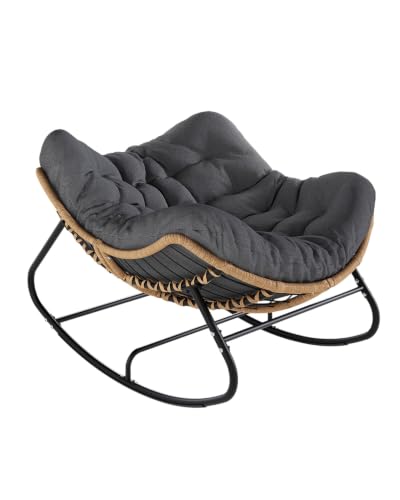
Frame material affects durability, maintenance, and weight. Powder-coated aluminum is the best all-around choice: it resists rust, handles coastal humidity, and remains light enough to move. High-grade steel offers maximum load-bearing strength but requires rust-proof finishes and periodic inspection. Wicker-wrapped aluminum frames combine the warmth of natural texture with modern weather resistance—ideal if you want a wicker patio chair that still supports larger users.
3. Cushion Quality and Thickness
An oversized chair deserves oversized cushions. Look for high-density foam (1.8 to 2.5 lb/ft³ density) that resists flattening, solution-dyed acrylic fabric for UV resistance, and removable, washable covers. Cushion thickness of 4 to 6 inches provides meaningful comfort for heavier users. If you own a wicker or rattan frame, replacement cushions are available—see our replacement cushions for outdoor wicker as a reference for what to check.
4. Chair Type: Stationary, Swivel, Rocker, or Recliner
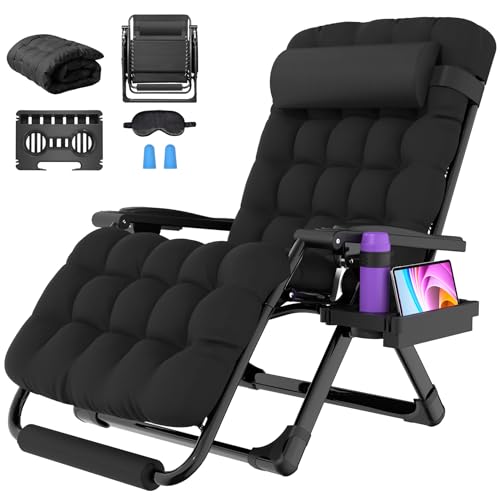
The best oversized patio chair for you depends on how you plan to use it. Stationary chairs are the most stable and often the most durable. Swivel chairs add easy conversation flow and are popular in patio conversation sets. Rocking chairs offer gentle motion for relaxation—our wicker rocking chairs guide covers reinforced rocker designs. Reclining oversized chairs provide adjustable back support but require a larger footprint and stronger mechanisms.
5. Weather Resistance and Maintenance
Outdoor furniture must handle rain, sun, and temperature swings. Prioritize rust-proof finishes, UV-stabilized materials, and quick-dry foam in cushions. If you live in a region with harsh winters, pair your chair with a protective cover and consider storing cushions in an outdoor waterproof storage box for cushions during the off-season.
6. Space Planning and Footprint
Oversized chairs take up more room, so measure your patio or balcony before buying. A typical oversized chair needs 30 to 36 inches of width and 30 to 34 inches of depth, plus clearance for reclining or swiveling. If space is tight, look for compact oversized models with a swivel base or a folding frame. Pair your chair with a wicker side table or a wood side table that fits the remaining footprint.
Oversized Patio Chair Tiers Compared
To help you orient yourself in the market, here is how oversized patio chairs typically break down by tier. Use this table to match your needs with the right class of product—without worrying about specific figures.
| Tier | Frame & Build | Best For | Weight Capacity Range |
|---|---|---|---|
| Entry-Level | Steel or resin frame, basic powder coating, thinner cushions | Occasional use, covered porches, first-time buyers | Around 300–350 lbs |
| Mid-Range | Powder-coated aluminum, reinforced joints, 4-inch high-density cushions | Daily use, family patios, mixed climates | Around 350–400 lbs |
| High-End Tier | Heavy-gauge aluminum or steel, cross-bracing, 5–6 inch cushions, UV-resistant fabric | Full-time lounging, big and tall users, coastal or humid areas | Around 400–450 lbs |
| Premium / Commercial-Grade | Reinforced welded frame, marine-grade hardware, premium quick-dry foam, warranty-backed | Heavy daily use, hospitality settings, maximum durability | 450 lbs and above |
Special Considerations for Big & Tall Users
If you are shopping specifically for a big and tall patio chair, pay extra attention to these details:
- Seat height: A seat height of 17 to 20 inches makes standing up easier and reduces knee strain—especially important for taller users.
- Armrest height and width: Look for armrests that sit 8 to 10 inches above the seat and are spaced wide enough to accommodate shoulders without pressure.
- Weight distribution: Chairs with four-point floor contact and wide feet distribute load more evenly and feel more stable on uneven patio surfaces.
- Back support: A contoured or slightly reclined backrest (100–110 degrees) reduces fatigue during long sitting sessions.
For users who want a zero-gravity experience, our oversized zero gravity chair with 400 lb capacity is a strong reference point for how reinforced recliners are built. If you prefer a stationary chair with a side table built in, see our oversized director chair with side table.
Styling Your Oversized Patio Chair
An oversized chair is a natural focal point—so style it intentionally. Pair it with a complementary wicker loveseat or a patio chair set to create a balanced seating area. Add a wicker coffee table with glass top for drinks and books, and ground the arrangement with a weather-resistant outdoor rug.
For shade, consider a patio umbrella or a patio umbrella with LED lights and stand so you can enjoy the chair well into the evening. If you are building a full conversation zone, explore our patio conversation set with swivel rockers for ideas on layout and spacing.
Care and Maintenance Tips
An oversized patio chair is a long-term investment—protect it with a simple care routine:
- Clean the frame monthly with mild soap and water; avoid abrasive cleaners that strip powder coatings.
- Brush off dirt from cushions before it works into the fabric; spot-clean stains with a diluted detergent solution.
- Store cushions in a dry place during heavy rain or winter—an outdoor waterproof storage box with wheels makes this easy.
- Inspect bolts, welds, and joints each season; tighten hardware as needed to maintain stability.
- Use a fitted cover during off-season months to prevent UV fading and moisture buildup.
Frequently Asked Questions
Look for a chair rated for at least 350 pounds for standard oversized models, and 400 to 500 pounds for heavy-duty or commercial-grade frames. Always check the manufacturer's stated capacity and confirm the frame material supports it.
An oversized patio chair typically has a wider seat (24 to 30 inches versus 19 to 22 inches), deeper seat depth, higher backrest, and reinforced frame. These dimensions provide more room and support for larger users.
Powder-coated aluminum and high-grade steel are the strongest options. Aluminum resists rust, while steel offers maximum load-bearing strength. Wicker-wrapped frames over aluminum are also popular for style and durability.
Most quality oversized chairs use weather-resistant materials such as powder-coated aluminum, high-density polyethylene wicker, and solution-dyed acrylic cushions. Check for UV resistance and rust-proof finishes.
Yes, but measure your space carefully. Choose a swivel or stationary model with a compact footprint. Consider a folding oversized chair or a model with a narrower base to maximize usable space.
Final Thoughts
Choosing the right oversized patio chair comes down to three things: matching the chair's dimensions to your body, verifying the weight capacity and frame construction, and planning your space so the chair fits comfortably. With those factors locked in, you can shop confidently knowing your chair will support you season after season. Ready to compare models? Explore our recommended oversized patio chairs below and use the buying factors in this guide to make your final choice.