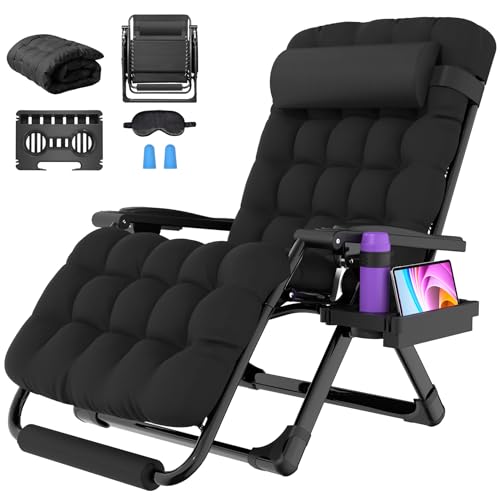
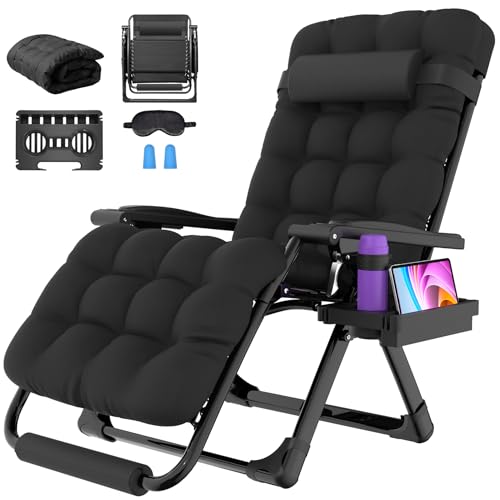
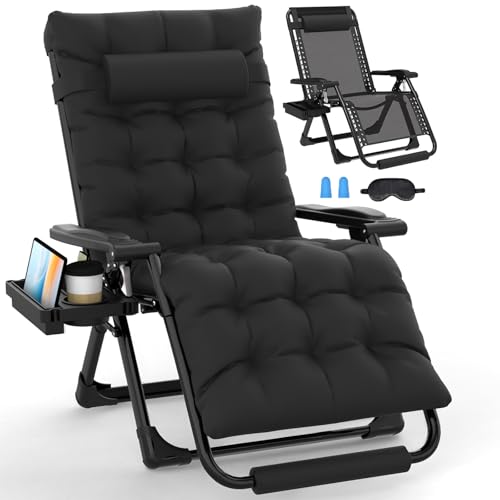
Oversized Zero Gravity Chair with 400 lb Capacity: The Complete Buyer's Guide
Everything you need to know about heavy-duty zero gravity recliners built for larger users — frame strength, comfort features, sizing, and long-term care.
If you've ever settled into a standard zero gravity chair only to feel it strain under your weight, you already know why an oversized zero gravity chair with a 400 lb capacity matters. These chairs are engineered from the ground up to deliver the same floating, weightless recline experience — but with reinforced frames, wider seating, and fabrics that hold up to real use. This guide walks you through everything a serious buyer should check before choosing one.
What Makes a Zero Gravity Chair "Oversized" and "400 lb Capacity"?
A zero gravity chair earns the "oversized" label when its seat width, backrest length, and overall footprint exceed the standard 25–27 inch seat width found on most entry-level models. Oversized chairs typically start around 29 inches wide and stretch to 33 inches or more, giving larger users room to sit without pinching at the hips or shoulders.
The 400 lb capacity rating is a structural promise. It means the manufacturer has tested the frame, joints, and fabric to safely support that load. Reaching this rating requires more than thicker tubing — it demands better welding, stronger recline locks, and higher-denier fabric. When you compare an oversized lounge chair to a standard model, the difference in build quality is usually obvious the moment you sit down.
Quick tip: Capacity ratings are about structural safety, not comfort. A chair rated for 400 lb can still feel cramped if the seat is narrow. Always check both the weight rating and the seat width.
Key Features to Look For in a Heavy-Duty Zero Gravity Chair
Reinforced Steel or Aluminum Frame
Powder-coated steel offers the strongest support for high-capacity chairs. Aluminum is lighter but must use thicker gauge tubing to match steel's load rating.
Dual Locking Recline Mechanism
A 400 lb chair needs a recline lock that grips firmly at every angle. Look for metal-on-metal locking teeth rather than plastic friction pads.
Wide Seat and Extended Backrest
Seat widths of 29–33 inches and backrests that extend past 30 inches provide the room larger users need to relax fully.
UV-Resistant, Breathable Fabric
High-denier textilene or solution-dyed fabric resists fading, stretching, and mildew while staying breathable in hot weather.
Padded Armrests and Headrest
Comfort details matter more on heavy-duty chairs because you'll spend longer sessions in them. Removable headrest pillows are a plus.
Non-Slip Feet and Wide Base
A wider stance and rubberized feet prevent tipping and protect deck surfaces. This is critical for chairs supporting heavier loads.
Sizing Guide: Matching the Chair to Your Body
Weight capacity is only half the story. An oversized zero gravity chair should also fit your height and body proportions. Use the guide below to narrow your search. If you're comparing options across categories, an oversized patio chair guide can help you understand how outdoor recliners differ from indoor loungers.
| User Profile | Recommended Seat Width | Recommended Reclined Length | What to Prioritize |
|---|---|---|---|
| Average height, heavier build | 29–31 inches | 68–72 inches | Frame strength and wide seat |
| Tall user (6'2"+) | 29–33 inches | 72–76 inches | Extended backrest and leg support |
| Tall and heavy build | 31–33 inches | 74–78 inches | Everything — premium tier only |
| Broad shoulders, average height | 31–33 inches | 68–72 inches | Shoulder room and armrest spacing |
Materials and Build Quality: What Separates Tiers
Not every chair that claims 400 lb capacity is built the same. Understanding the tier system helps you judge what you're actually getting. Throughout this guide we use a simple three-tier framework: essential tier, balanced tier, and top-tier.
Essential Tier
These chairs meet the 400 lb rating but use thinner steel tubing, simpler recline locks, and basic textilene fabric. They work well for occasional use and lighter users near the top of their range. Expect a narrower seat (around 27–29 inches) and a shorter warranty.
Balanced Tier
The sweet spot for most buyers. Balanced-tier chairs use reinforced steel frames with better welding, dual locking mechanisms, and higher-denier fabric. Seat widths reach 29–31 inches, and many include padded armrests and a removable headrest. These are the models most people should shortlist first.
Top-Tier
Top-tier chairs are built like professional-grade equipment. They feature heavier gauge steel or aircraft-grade aluminum, precision recline mechanisms, extra-wide seats (31–33 inches), and premium UV-resistant fabric. If you're a larger user planning daily use, this tier is the safest long-term investment.
Material note: Powder-coated steel resists rust far better than painted steel. If the chair will live outdoors, prioritize a rust-proof finish and stainless steel hardware. For related outdoor durability topics, see our guide on waterproof materials for garden furniture.
Comfort and Ergonomic Considerations
The whole point of a zero gravity chair is to distribute your body weight evenly, reducing pressure on the spine and joints. On an oversized model, that effect depends on a few ergonomic details:
- Recline range: A good chair reclines from upright to nearly flat. Check that the lock holds firmly at every position — this matters more as weight increases.
- Leg rest angle: The leg section should raise your knees slightly above your hips in the fully reclined position. Shorter leg sections on oversized chairs can leave tall users with dangling feet.
- Armrest height: Armrests should sit at a natural height when you're reclined. On heavy-duty chairs, look for padded armrests that don't flex under pressure.
- Headrest support: A removable, adjustable headrest pillow makes a big difference for long reading or napping sessions.
- Fabric tension: High-denier fabric should feel taut but slightly yielding. Fabric that sags under weight will bottom out against the frame.
If you're also considering a chaise-style lounger, our overview of oversized chaise lounge chairs covers how that format compares for full-body support.
Using an Oversized Zero Gravity Chair Outdoors
Most buyers place these chairs on a patio, deck, or poolside. A few practical considerations will keep the chair performing for years:
- Surface stability: Place the chair on a flat, hard surface. Soft grass or loose gravel can cause the feet to sink unevenly, stressing the frame.
- Sun exposure: UV rays degrade fabric over time. A chair kept in direct sun all day will fade faster than one under a pergola or umbrella. Pair it with a quality outdoor umbrella for shade.
- Rain and moisture: Even weather-resistant chairs benefit from being covered or stored during heavy rain. Moisture trapped in fabric seams shortens lifespan.
- Wind: Zero gravity chairs are lightweight relative to their size. In windy areas, fold and store the chair when not in use to prevent tipping.
For extra protection, a waterproof storage box for cushions can double as a place to stash folded chairs and accessories.
Maintenance and Longevity Tips
A 400 lb capacity chair is a long-term investment, and basic care keeps it safe and comfortable:
- Wipe the frame with a damp cloth monthly to remove dust and pollen.
- Clean fabric with mild soap and water, then air-dry fully before folding.
- Lubricate the recline mechanism and hinge points with a silicone spray every few months.
- Check and tighten bolts and screws at the start of each season.
- Inspect the fabric for tears or thinning, especially along seams and stress points.
- Store indoors or under a cover during winter and extended wet periods.
If you want a deeper maintenance routine, our weatherproofing guide covers seasonal care for all types of outdoor furniture.
Oversized Zero Gravity Chair vs. Other Outdoor Recliners
Zero gravity chairs aren't the only option for heavy-duty outdoor relaxation. Here's how they compare to related categories:
| Chair Type | Best For | Weight Distribution | Portability |
|---|---|---|---|
| Oversized zero gravity chair | Full-body recline and pressure relief | Excellent — even support along spine and legs | Folds flat; moderately portable |
| Oversized chaise chair | Sunbathing and poolside lounging | Good — flat profile, less contouring | Usually stationary |
| Oversize camping chair | Travel and tailgating | Moderate — upright seating only | Highly portable |
| Oversized director chair | Upright seating with a side table | Limited — no recline | Folds flat |
Final Buying Checklist
Before you commit to a specific chair, run through this checklist:
- Does the chair explicitly state a 400 lb capacity rating?
- Is the seat width at least 29 inches for average builds, 31+ for broad users?
- Is the frame steel or heavy-gauge aluminum with a rust-proof finish?
- Does the recline lock hold firmly at multiple angles?
- Does the fabric resist UV fading and moisture?
- Are the feet wide and non-slip for deck or patio use?
- Does the chair fold for storage, and is a cover available?
If you're outfitting a whole outdoor space, you may also want to browse patio chairs to complement the recliner with matching seating.
Frequently Asked Questions
What does 400 lb capacity mean for an oversized zero gravity chair?
Are oversized zero gravity chairs suitable for tall users?
Can I leave a zero gravity chair outdoors year-round?
How do I maintain an oversized zero gravity chair?
How much recline should I expect from a heavy-duty model?
Bottom Line
An oversized zero gravity chair with a 400 lb capacity is a serious piece of outdoor furniture, and it deserves a serious buying decision. Focus on frame material, seat width, recline lock quality, and fabric durability. Choose the tier that matches how often you'll use the chair and how much support you need. Get those factors right, and the chair will deliver years of comfortable, weightless relaxation.
Ready to explore specific models? Browse the recommended products below to compare features side by side.