Counter Height Outdoor Table with Umbrella Hole: The Complete Buying Guide
Discover how to choose a counter height patio table with an integrated umbrella hole. Compare materials, sizes, seating, and features to elevate your outdoor dining experience.
Explore FeaturesWhy a counter height table with an umbrella hole? These tables combine the social appeal of elevated dining with the practical convenience of built-in shade. The umbrella hole lets you add overhead coverage without sacrificing floor space, making it an ideal choice for compact decks, balconies, and busy patios. This guide walks you through everything you need to know before making a purchase decision.
What Is a Counter Height Outdoor Table with Umbrella Hole?
A counter height outdoor table with umbrella hole is a patio dining table that stands taller than a standard dining table—typically between 34 and 36 inches from the ground to the tabletop—and includes a pre-drilled opening in the center for a patio umbrella pole. This design creates a pub-style dining experience while solving the problem of sun exposure in open outdoor spaces.
Unlike traditional dining tables that require a separate umbrella stand and base, a table with an integrated umbrella hole keeps the umbrella anchored directly through the tabletop. This eliminates the need for a heavy freestanding base, reduces tripping hazards, and frees up valuable floor space—especially important on smaller patios and balconies.
Counter height tables pair best with bar stools or counter-height chairs with seat heights around 24 to 26 inches. This leaves roughly 10 to 12 inches of clearance between the seat and the tabletop, which is the ergonomic sweet spot for comfortable dining and conversation.
Key Features to Evaluate Before You Buy
Umbrella Hole Diameter
Most tables accept a 1.5-inch to 2-inch pole. Confirm the hole size matches your umbrella before committing—especially if you already own an umbrella you plan to reuse.
Tabletop Material
Powder-coated aluminum resists rust, teak and acacia offer natural warmth, HDPE provides low-maintenance weather resistance, and concrete delivers substantial stability in windy areas.
Frame Construction
Look for reinforced welded joints and a solid build. Heavy-duty frames prevent wobbling and extend the table's lifespan through seasonal temperature swings.
Seating Capacity
Round tables typically seat two to four, while rectangular and oval designs accommodate four to six. Match the table size to your available space and typical guest count.
Umbrella Compatibility
Consider whether the table includes a stabilizing collar or ring. A well-designed collar keeps the umbrella pole centered and prevents excessive sway on breezy days.
Weather Resistance
UV-resistant finishes and rust-proof coatings are essential for long-term outdoor use. Check whether the table is rated for year-round exposure in your climate zone.
Material Comparison: Choosing the Right Build for Your Climate
The material you choose affects durability, maintenance requirements, and the overall look of your outdoor space. The table below compares common materials across key criteria to help you narrow down your options.
| Material | Market Tier | Best For | Maintenance Level | Weather Resistance |
|---|---|---|---|---|
| Powder-Coated Aluminum | Mid-Range | Balconies, coastal areas, portability | Low — wipe clean | Excellent rust resistance |
| Teak | Premium | Long-term outdoor investment, natural aesthetic | Moderate — annual sealing | Naturally weather-resistant |
| Acacia | Mid-Range | Warm wood look with solid build | Moderate — periodic oiling | Good with proper care |
| HDPE (High-Density Polyethylene) | Entry-Level | Low-maintenance patios, family use | Very low — soap and water | Exceptional — UV and moisture resistant |
| Concrete / Composite | Luxury | Windy locations, permanent installations | Low — occasional sealing | Heavy-duty, all-season stability |
Size and Seating: Finding the Right Fit
Counter height tables come in several shapes and dimensions. The right choice depends on your available space and how you plan to use the table.
Round Counter Height Tables
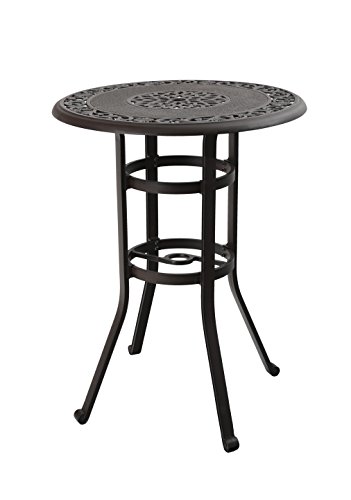
Round tables with a 40- to 48-inch diameter typically seat two to four people comfortably. They are ideal for balconies, small patios, and breakfast nooks where floor space is limited. The circular shape also encourages conversation and eliminates awkward corner seating.
Rectangular and Oval Counter Height Tables
Rectangular tables measuring 60 to 72 inches long generally accommodate four to six diners. Oval designs offer a softer visual profile and work well in narrow spaces. If you frequently host larger gatherings, look for extendable models or tables with drop-leaf designs.
Space Planning Tips
- Allow at least 30 inches of clearance around the table for chair pull-out and walkways.
- Measure your umbrella's canopy diameter—a 9-foot umbrella needs roughly 5 feet of clearance in all directions.
- Confirm the umbrella hole is centered; an off-center hole can cause the umbrella to lean under wind load.
- Check whether the table base is wide enough to prevent tipping when the umbrella is fully open.
Umbrella Compatibility and Shade Planning
The umbrella hole is one of the most important features of this table style—but not all holes are created equal. Standard counter height tables typically feature a 1.5-inch to 2-inch hole, which accommodates most patio umbrella poles. Always verify the exact diameter before purchasing an umbrella separately.
For a four-seat counter height table, a 9-foot umbrella generally provides adequate shade coverage. For two-seat setups, a 7.5-foot umbrella is usually sufficient. Consider a tilt-and-crank umbrella if you need adjustable shade throughout the day, and look for a table with a stabilizing collar to keep the pole centered.
If your table does not include a built-in collar, you can often add a separate umbrella ring or stabilizer. These inexpensive accessories prevent the pole from swaying and protect the tabletop from wear around the hole.
Final Buying Checklist
- Confirm the table height (34–36 inches) and match it to your stool seat height (24–26 inches).
- Measure the umbrella hole diameter and verify compatibility with your existing umbrella.
- Check the weight capacity and frame construction for stability in windy conditions.
- Verify the finish is UV-resistant and rust-proof for year-round outdoor use.
- Measure your patio or balcony to ensure adequate clearance around the table and umbrella canopy.
- Review assembly requirements—some models require partial assembly and tools.
- Check the warranty coverage for frames, finishes, and umbrella hole components.
Related Guides and Comparisons
Explore these related resources to round out your outdoor furniture research:
Ready to Elevate Your Outdoor Dining?
Browse our curated selection of counter height outdoor tables with umbrella holes. Compare features, materials, and configurations to find the perfect fit for your patio or balcony.
View Recommended ProductsFrequently Asked Questions
A standard counter height outdoor table measures approximately 34 to 36 inches from the ground to the tabletop. This height pairs well with counter-height bar stools that have a seat height of roughly 24 to 26 inches, leaving about 10 to 12 inches of clearance for comfortable legroom.
An umbrella hole allows you to insert a patio umbrella directly through the tabletop, providing overhead shade without consuming extra floor space. This is especially valuable for smaller decks, balconies, and compact patios where a freestanding umbrella base would be impractical or obstructive.
Most counter height tables with umbrella holes accept a standard 1.5-inch to 2-inch diameter umbrella pole. For a four-seat table, a 9-foot umbrella typically provides adequate shade coverage. For smaller two-seat setups, a 7.5-foot umbrella is usually sufficient. Always confirm the hole diameter before purchasing an umbrella.
Yes, these tables are excellent for balconies because the integrated umbrella hole eliminates the need for a bulky freestanding base that could tip or consume floor space. Choose a table with a weighted base or opt for a compact round design to maximize your balcony layout.
The best material depends on your climate and maintenance preferences. Powder-coated aluminum offers rust resistance and lightweight portability. Teak and acacia provide natural warmth with proper sealing. High-density polyethylene (HDPE) delivers exceptional weather resistance with minimal upkeep. Concrete and composite options provide substantial weight and stability for windy locations.