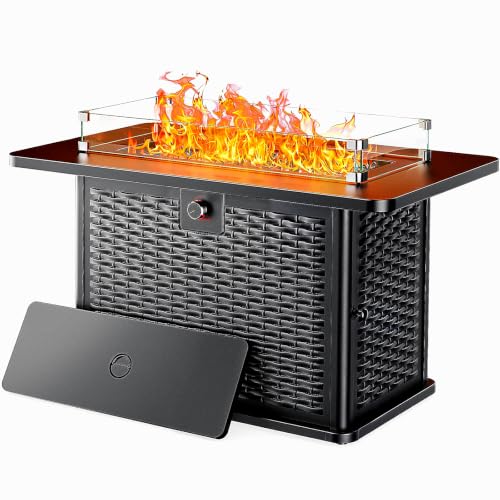
What Is a Counter Height Outdoor Table with Fire Pit?
A counter height outdoor table with fire pit is a dual-purpose patio furniture piece that pairs a raised dining surface — typically around 36 inches tall, matching counter stool height — with an integrated fire element built into the center or along one side. Unlike standard dining tables that sit at 28 to 30 inches, counter height models bring guests closer to eye level with standing friends and create a more pub-like, conversational setup. The fire feature adds warmth for cool evenings and serves as a natural focal point.
These tables usually fall into three configurations: a central burner surrounded by dining space, a fire element integrated into one end of a rectangular table, or a narrow fire strip running along the center line. Each layout affects seating capacity and how the table functions during meals. Most models include a burner lid or cover that converts the fire area into usable table surface when the fire is not in use.
Fire Feature Types: Propane, Natural Gas, and Wood
The fire element is the defining feature of this furniture category, and the fuel type shapes installation, maintenance, and where the table can be placed.
Propane Fire Tables
Propane is the most common fuel for counter height fire pit tables. A hidden tank compartment — often tucked beneath the table or inside a side panel — feeds a burner that ignites with a push button or electronic starter. Propane models are portable in the sense that they do not require a gas line, making them suitable for renters, decks, and patios without built-in utilities. The trade-off is periodic tank replacement and the need to store a spare tank nearby.
Natural Gas Fire Tables
Natural gas models connect directly to a home's gas line, delivering a continuous fuel supply with no tank swaps. These are ideal for permanent installations on a concrete patio or covered deck where a plumber or gas fitter can run a line. Installation is more involved and generally requires professional service, but the convenience of never refilling a tank is significant for frequent entertainers. If you already own a propane unit and want to switch, see our guide on converting a propane fire pit to natural gas.
Wood-Burning Fire Tables
Wood-burning options deliver the crackle and aroma of a traditional fire, but they require more clearance, produce ash and embers, and demand careful attention to ventilation and local burn regulations. For a counter height dining table, wood burners are less common because the open flame and smoke can interfere with meals. Most buyers in this category choose gas for cleaner operation and easier table-height integration.
Key Features to Evaluate Before You Buy
Because these tables serve two functions, the details matter more than on a standard dining table. Focus on these elements:
Table Height and Seating Compatibility
Counter height generally means the tabletop sits at roughly 35 to 37 inches, paired with stools or chairs around 24 to 26 inches tall. Confirm the seat height matches so guests sit comfortably with the table surface near elbow level. Some sets include matching counter height stools; if you are buying the table alone, measure your existing seating first. For non-fire counter height options, our counter height outdoor table overview covers sizing in more depth.
Burner Output and Heat Coverage
A fire table's heat output determines how much warmth it actually delivers. Burners are rated in British thermal units (BTUs), and higher output generally means more heat — but not always more comfort if the flame is too large for the seating arrangement. A central burner radiating outward suits circular seating; a linear burner along one edge works better for rectangular tables where guests sit on two long sides.
Materials and Weather Resistance
Powder-coated aluminum, stainless steel, concrete composite, and high-density polyethylene are the standard outdoor-grade materials. Look for rust-proof finishes, sealed tabletops, and UV-resistant coatings. Premium and luxury tier models often use cast aluminum frames or stone-look tops that hold up to sun and moisture while looking refined. If your table sits on an exposed deck, pair it with a protective cover and review our weatherproofing guide for seasonal care.
Safety Clearances and Ventilation
Always follow the manufacturer's clearance recommendations for overhead structures, nearby furniture, and combustible materials. Avoid placing the table under a low pergola or near fabric umbrellas unless the manufacturer explicitly permits it. Keep children and pets at a safe distance when the fire is lit, and never leave an active flame unattended.
Table Surface Conversion
A burner lid or cover lets you use the full tabletop for dining when the fire is off. This is a practical feature for families who want to serve food without navigating around an open burner. Confirm whether the lid is included or sold separately, and whether it sits flush or creates a raised section.
Tier Comparison: Entry-Level to Luxury
Counter height fire pit tables span a wide range of construction quality and feature sets. The table below groups typical models by market position so you can match the product to your needs without relying on specific figures.
| Category | Typical Construction | Best For | What to Expect |
|---|---|---|---|
| Entry-level | Powder-coated steel, basic electronic ignition, manual flame control | First-time buyers, renters, occasional use | Simpler finishes and lighter frames; adequate for mild climates and seasonal use |
| Mid-range | Powder-coated aluminum, stainless steel burner, adjustable flame | Frequent entertainers, families, year-round patios | Better weather resistance and smoother ignition; lid conversion often included |
| Premium | Cast aluminum or composite tops, sealed stone finishes, reinforced frame | Dedicated outdoor living spaces, covered patios | Refined appearance, heavier build, more consistent flame control and heat output |
| Luxury | Natural stone or cast concrete surfaces, commercial-grade burners, designer finishes | Custom patios, high-end landscaping, long-term installations | Flagship-level materials and craftsmanship; often best paired with a natural gas connection |
Entry-level models can serve a covered porch well if protected from direct rain, while premium and luxury tiers justify their position through heavier frames, tighter tolerances, and finishes that resist fading over many seasons. If you are weighing a raised fire table against a lower-profile design, our breakdown of the counter height patio table with fire pit covers layout differences, and the counter height patio set with fire pit guide explains what to expect when the table comes bundled with seating.
How to Choose the Right Size and Shape
Size drives comfort and safety. A rectangular table generally seats four to six people, while a square or round table with a central burner works best for four. Measure your patio or deck and subtract at least three feet on every side for chair pull-out and walking space. For compact balconies and small patios, a round table with a modest burner footprint preserves circulation.
Shape also affects conversation. Round tables keep everyone within easy view of the fire and each other, which suits intimate gatherings. Rectangular tables offer more dining surface and pair well with linear burners, but guests at the far ends may feel less of the heat. Consider how you entertain most often: plated dinners, casual drinks, or a mix of both.
Placement and Installation Considerations
Where the table lives determines whether propane or natural gas makes sense. A permanent built-in setup on a concrete patio or near a concrete fire pit table with hidden propane tank can share a gas line and avoid visible tanks. A portable propane table works on decks and rented spaces where a gas line is not an option.
Check overhead clearance for string lights, pergola beams, and retractable awnings. Keep the table at least a few feet from flammable siding, wood railings, and fabric shade sails. If your patio is covered, confirm the manufacturer allows use under a roof — many gas tables are approved for covered outdoor areas with proper ventilation, but some are not.
Pairing Seating and Accessories
Counter height stools with backs are the natural match for a raised fire table. Backless stools tuck away more easily and suit tight spaces. Cushioned seats add comfort for long dinners; weather-resistant fabrics and quick-dry foam hold up better outdoors. If your table sits on a bare deck or concrete slab, an outdoor rug defines the dining zone and adds a layer of comfort underfoot.
For evening ambiance, layer in soft outdoor lighting and keep a fire extinguisher or sand bucket within reach. A fitted cover protects the table and burner between uses, especially during pollen season or unexpected rain. Our cushion storage guide covers keeping seat pads dry and ready for the next gathering.
Maintenance and Seasonal Care
Gas fire tables need periodic burner cleaning, inspection of hoses and connections, and a check for spider webs or debris in the burner ports. Wipe down tabletops with mild soap and water, and avoid abrasive cleaners on powder-coated surfaces. Before winter, disconnect the propane tank, cover the table, and store removable components indoors where possible. Our covering patio furniture for winter guide walks through the full seasonal routine.
Wood-burning tables require ash removal, grate inspection, and storage in a dry place to prevent rot. Regardless of fuel type, inspect the table frame for loose fasteners and touch up any chips in the finish to prevent corrosion.