
Covered Outdoor Lounge Chair: The Complete Buying & Design Guide
A covered outdoor lounge chair pairs deep relaxation with built-in protection from sun, light rain, and falling debris. This guide explains how canopies, hoods, and weather-resistant frames work, what to inspect before buying, and how to integrate a covered lounger into your patio layout.
Explore the Buying FrameworkWhy a Covered Lounge Chair Changes Your Outdoor Routine
Most homeowners reach this page with a specific purchase in mind. They already know they want a lounge chair, but they are unsure whether a covered design is worth the extra structure, how much shade it actually delivers, and whether the canopy will survive a full season. That is a reasonable place to start, because a covered lounger sits at the intersection of seating, shade, and weather protection.
A standard lounger invites you to recline, but it also exposes you to direct sun during the hours when patios are most comfortable. A covered outdoor lounge chair solves that by attaching a canopy, hood, or sunshade directly to the frame. The result is a chair that stays usable at midday, during light drizzle, and in yards with falling leaves or seed pods. For a broader look at protected seating categories, the covered outdoor chair guide and the covered chaise lounge chair guide complement this article well.
This page is written for the research stage. It does not assume you have a favorite brand or a preferred retailer. Instead, it walks through the structural details that separate a well-built covered lounger from a decorative one, so you can compare options with confidence and move to a retailer only when the specifications make sense for your space.
What Counts as a "Covered" Outdoor Lounge Chair?
The word "covered" is used loosely in product listings, so it helps to separate the common designs. Each one protects the sitter differently and each has a different maintenance profile.
Retractable Canopy Loungers
A fabric canopy slides or folds along the backrest. These offer adjustable shade and are the most flexible option for changing sun angles throughout the day.
Fixed Hood Loungers
A rigid or semi-rigid hood is built into the headrest area. These are simple, sturdy, and well suited to windy patios where fabric canopies flap.
Shell or Pod Loungers
A curved shell wraps the upper body and blocks sun from multiple angles. These read as premium or luxury tier and often use woven or molded panels.
Covered Patio Chairs (Non-Reclining)
Upright chairs with an attached awning or hood. They protect the sitter but do not recline, so they suit reading and conversation rather than full lounging.
If your priority is full-body recline with shade, a canopy or hood lounger is the right category. If you want a chair that matches a dining or conversation set, a covered patio chair may be the better fit. The two categories share weather-protection principles but differ in posture and footprint.
The Buying Framework: Six Checks Before You Commit
Use these six checks as a sequence. Each one narrows the field, and together they prevent the most common post-purchase regrets: a canopy that collapses, a frame that rusts at the joints, or a chair that does not fit the patio once reclined.
1. Frame Material and Finish
Powder-coated aluminum is the default recommendation for most climates. It is lightweight enough to reposition, it resists rust at the joints, and it holds a canopy without excessive flex. High-grade steel is heavier and more rigid, which suits windy exposures, but it demands a rust-proof finish and periodic inspection of welds. Solid wood and natural wicker look warm but need seasonal sealing, and they are less forgiving under a damp canopy. For context on how frame choices affect long-term care, see the outdoor care section of the site.
2. Canopy Mechanism and Fabric
Inspect how the canopy attaches. A reinforced hinge with a locking pin is more reliable than a friction joint that loosens over time. The fabric should be solution-dyed or coated for UV resistance, and the seams should be double-stitched. A canopy that cannot be removed for cleaning will age faster than one that detaches. If you plan to leave the chair out year-round, a removable canopy is a meaningful advantage.
3. Recline Geometry and Clearance
Measure the chair in its fully reclined position, not just upright. A covered lounger needs rear clearance for the backrest and overhead clearance for the canopy. On a small patio, this is often the deciding factor. The small patio layout guide explains how to map clearance zones before ordering.
4. Cushion Construction and Drainage
Quick-dry foam and mesh drainage panels matter more on a covered chair because the canopy traps humidity. Look for removable, washable covers and a cushion core that does not hold water. The outdoor cushion guide covers fill types in detail, and the cushion storage guide explains how to protect cushions when the chair is not in use.
5. Weight, Portability, and Stability
A canopy adds wind load. Check the base width and whether the chair includes leveling feet or a weighted base option. A heavy-duty frame is more stable but harder to move; a lighter frame is easier to reposition but may need a sheltered spot during storms. Match the weight to how often you plan to move the chair.
6. Storage and Seasonal Protection
Even a covered chair benefits from a fitted furniture cover during heavy rain or winter storage. The custom outdoor covers guide explains how to size a cover, and the winter covering guide walks through seasonal storage. Treat the integrated canopy as daily protection, not as a substitute for a cover.
Comparing Tiers: What Changes as You Move Up
Instead of thinking in numbers, think in tiers. The table below uses a single, consistent classification so you can compare covered loungers across retailers without anchoring to any specific figure. The descriptors reflect relative market position, not absolute amounts.
| Tier | Frame & Canopy | Best For | Trade-offs |
|---|---|---|---|
| Entry-level | Lightweight aluminum or resin frame; fixed or simple folding canopy; basic polyester fabric. | Occasional use, balconies, renters, seasonal setups. | Canopy fabric may fade faster; fewer recline positions; less wind stability. |
| Mid-range | Powder-coated aluminum; adjustable canopy with locking hinges; solution-dyed fabric; quick-dry cushions. | Daily residential use on covered patios and decks. | Still benefits from a winter cover; canopy replacement may be model-specific. |
| Premium | Reinforced aluminum or high-grade steel; multi-position canopy; removable, replaceable fabric panels; upgraded cushion cores. | Full-sun exposures, windy sites, year-round use in mild climates. | Heavier to move; requires consistent seasonal inspection. |
| Luxury / commercial-grade | Solid build with marine-grade hardware; custom canopy geometry; hospitality-grade cushions; serviceable components. | Poolside lounging, hospitality settings, long-term investment. | Large footprint; assembly and placement need planning. |
The jump from entry-level to mid-range is usually the most meaningful for a homeowner. That step tends to deliver a smoother canopy mechanism and a cushion core that drains properly, which are the two features most likely to cause frustration over time. A premium or luxury tier chair makes sense when the chair will sit in direct sun or wind for most of the year.
Materials Deep Dive: Frame, Canopy, and Cushion
Frame Materials
- Powder-coated aluminum: the balanced choice. Rust-resistant, light enough to move, and stable enough for a canopy. Look for sealed end caps and stainless hardware.
- High-grade steel: heavy-duty and rigid, ideal for windy patios. Confirm a rust-proof finish and inspect welds annually.
- Solid wood: warm and traditional, but needs sealing and should not sit under a damp canopy for long periods. The wood furniture care guide covers sealing routines.
- Wicker and rattan: visually rich; synthetic versions outperform natural fibers outdoors. The wicker and rattan guide explains the difference.
- Resin and plastic: the most weather-tolerant in the entry-level tier, but less rigid under a canopy.
Canopy Fabrics
Solution-dyed acrylic and coated polyester are the two common canopy fabrics. Solution-dyed acrylic holds color longer under UV exposure; coated polyester resists water better but can stiffen over time. Whichever you choose, confirm that the fabric is replaceable. A canopy is the most exposed component on the chair, so serviceability matters more than the initial appearance.
Cushions and Drainage
Under a canopy, cushions sit in a humid microclimate. Quick-dry foam with vertical drainage channels and mesh-backed covers release moisture faster than solid foam. Removable covers that can be machine-washed on a gentle cycle extend the cushion's usable life. If you need replacement covers later, the custom outdoor cushions guide explains how to specify dimensions.
Placement and Design: Making the Chair Work on Your Patio
A covered lounger is a focal piece, so placement matters as much as construction. Start with the sun path. If the chair will face west, the canopy will do most of its work in the afternoon; if it faces east, morning shade is the priority. Then check the wind. A canopy acts like a small sail, so a corner or a spot near a wall reduces load.
Next, map the footprint in both upright and reclined positions. Leave a walkway of at least 18 inches on the entry side, and confirm the canopy does not strike a railing, pergola post, or overhead beam when adjusted. On a covered porch, the structure above may already provide shade, in which case a hood or shell design can be enough. The covered patio guide and the covered porch swing guide show how protected seating fits into larger layouts.
For styling, pair the lounger with a small side table and a textured outdoor rug to define the zone. The outdoor rugs guide explains material choices, and the outdoor lighting guide covers evening ambiance. If the chair sits near a fire feature, keep the canopy fabric a safe distance from the heat source and follow the manufacturer's clearance guidance.
Care and Maintenance Through the Seasons
A covered chair is not a maintenance-free chair. The canopy changes the maintenance rhythm because it traps moisture and debris against the frame. A short seasonal routine keeps the chair serviceable for years.
- Weekly: brush debris off the canopy and wipe the frame joints. Check that the canopy hinges still lock firmly.
- Monthly: remove the canopy if it is detachable, rinse both sides, and let it dry fully before reattaching. Inspect the cushion covers for mildew at the seams.
- Seasonally: tighten hardware, apply a protective treatment to wood or wicker, and check the frame for scratches that could lead to corrosion.
- Before winter: store cushions indoors, fit a furniture cover, and if possible store the canopy separately to avoid creasing. The winter storage guide covers this in detail.
For deeper cleaning routines, the furniture cleaner guide and the rust removal guide are useful references. If the chair sits in a coastal environment, increase inspection frequency and rinse the frame more often to remove salt residue.
Common Mistakes to Avoid
- Buying for the upright footprint only. Reclined length and canopy swing are what actually determine fit.
- Assuming the canopy replaces a cover. Integrated shade handles daily sun; a furniture cover handles storms and storage.
- Ignoring wind exposure. A lightweight chair with a large canopy needs a sheltered spot or a weighted base.
- Skipping the cushion specification. Solid foam under a canopy stays damp; quick-dry cores and drainage mesh matter.
- Choosing a non-serviceable canopy. If the fabric cannot be replaced, the chair's usable life is tied to the canopy's lifespan.
Next Steps: From Research to a Confident Choice
At this point you should have a clear picture of the frame type, canopy mechanism, cushion construction, and placement that suit your patio. The remaining work is comparison. Use the six-check framework to evaluate each candidate, and let the tier table guide expectations rather than a single figure. If you are still deciding between seating categories, the covered outdoor furniture guide and the covered chaise lounge guide help clarify the differences.
When you are ready to browse, the product section below highlights covered loungers and related patio pieces. Compare the specifications against your shortlist, confirm the canopy is serviceable, and check the retailer's return policy before ordering. A well-chosen covered lounge chair is a long-term investment in comfortable, shade-protected outdoor time.
Recommended Covered Outdoor Lounge Chairs & Patio Seating
⚠️ AFFILIATE DISCLOSURE: This website contains affiliate links. As an Amazon Associate, we earn from qualifying purchases. If you make a purchase through these links, we may receive a small commission at no additional cost to you. Read our full affiliate policy.

FHVIT Aluminum Chaise Lounge Chair Outdoor, Foldable Patio Lounge Chair Assemble-Free, Pool Lounge Chairs with 5 Adjustable Backrest, Outdoor Lounge Chairs for Outside Poolside Beach Lawn Beige
Check price on Amazon
Sweetcrispy Zero Gravity Chairs Set of 2, Outdoor Folding Patio Lounge Chair with Cup Holder Tray, Portable Beach Camping Recliner for Poolside, Garden, Backyard, Lawn, Solid Black
Check price on Amazon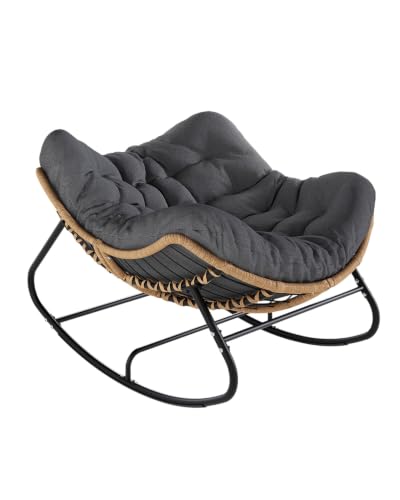
SWITTE Papasan Rocking Chair, Outdoor Egg Rocker with Cushion, Deep Gray | Oversized Modern Wicker Lounge Rocker with Comfy Cushion, Cozy Egg Chair Steel Frame for Patio, Porch,or Indoor Reading Nook
Check price on Amazon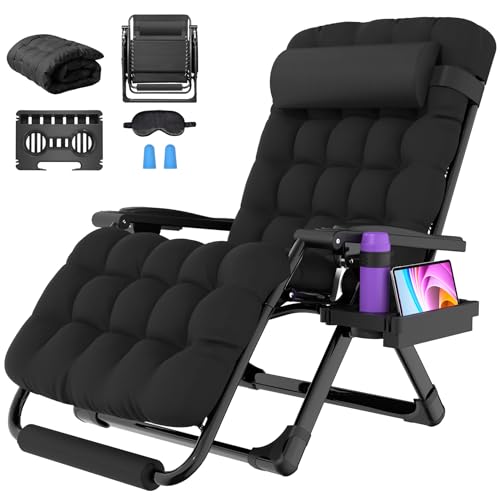
Suteck Oversized Zero Gravity Chair,500LBS 33In XXL Outdoor Recliner Chairs | w/Removable Cushion&Headrest, Camping Lounge Chair w/ Aluminum Alloy Lock&Footrest, Reclining Patio Chairs for Indoor Outdoor
Check price on Amazon
TQKVIPI Outdoor Papasan Rocking Chair, All-Weather Rocking Chair with Thickened Cushion, Comfy Patio Reading Lounge for Garden, Porch, Living Room & Bedroom - Light Gray - Set of 2
Check price on Amazon
Best Choice Products Hanging Chaise Lounge Chair Swing with Canopy | Teal, Outdoor Hanging Curved Steel Lounge Swing w/ Built-in Pillow, Removable Canopy for Weightless Lounging
Check price on Amazon
Sweetcrispy Zero Gravity Chairs Set of 2, Folding Lounge Chairs | Outdoor Recliner Beach Camping Patio Chairs with Cup Holder and Adjustable Pillow for Poolside, Garden, Backyard, Lawn, Ash
Check price on Amazon
ABORON Lounge Chair, 5-Position Padded Folding Chaise Lounge | 5-position folding chaise lounge supports 500 lb and has a removable cushion and pillow for outdoor,patio,or sunbathing
Check price on AmazonFrequently Asked Questions
What is a covered outdoor lounge chair?
It is a lounger with an integrated canopy, hood, or sunshade that protects the sitter from direct sun, light rain, and debris. The cover may be retractable, fixed, or built into a shell design.
Do covered lounge chairs need additional weather protection?
Yes. The integrated cover protects the sitter and part of the chair, but the frame and cushions still benefit from a furniture cover during heavy rain, winter storage, or long periods of disuse.
Which frame material is best for a covered outdoor lounge chair?
Powder-coated aluminum is the most reliable choice for most climates because it is lightweight, rust-resistant, and stable under a canopy. High-grade steel offers heavy-duty strength, while wood and wicker require more seasonal care.
Can a covered lounge chair stay outside all year?
In mild climates it can, but inspect the canopy fabric, cushions, and frame joints seasonally. In freezing or storm-prone regions, store cushions indoors and use a fitted cover over the chair.
How do I measure a lounge chair for a small covered patio?
Measure the available depth and width, then add clearance for the reclined position and canopy swing. Leave at least 18 inches of walkway around the chair and confirm the canopy does not collide with railings or overhead structures.