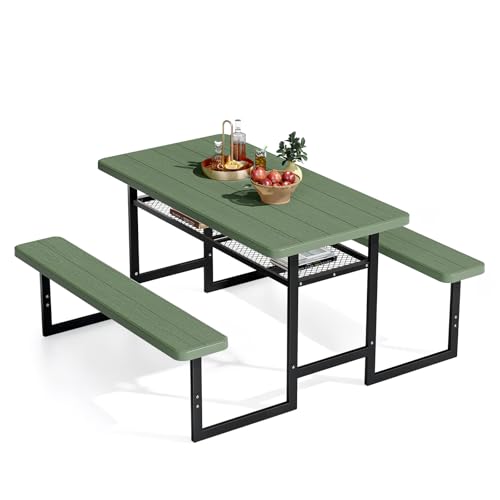
Plastic Picnic Table: The Complete Buying Guide
From backyard cookouts to campsite lunches, a plastic picnic table is one of the most practical outdoor purchases you can make. This guide covers materials, sizes, durability, setup, and care so you can choose the right model with confidence.
Why a Plastic Picnic Table Makes Sense
Plastic picnic tables have become a staple of outdoor living for good reason. High-density polyethylene and resin constructions resist moisture, rot, and insect damage far better than untreated wood, and they require almost no maintenance beyond a wipe-down. Unlike metal tables, plastic models will not rust, and unlike wood, they will not splinter or need refinishing every season.
These tables are also remarkably versatile. A folding plastic picnic table with benches can be carried to a tailgate, stored in a garage, or set up on a balcony in minutes. Fixed-bench models create a permanent gathering spot in a backyard or garden. For households with children, the smooth, rounded edges of plastic tables are a practical safety advantage. If you are comparing overall outdoor furniture options, our plastic outdoor furniture overview is a useful companion read.
- Weather resistance: Will not rot, rust, or absorb water like wood.
- Low maintenance: Soap and water are usually all that is needed.
- Lightweight portability: Folding models move easily between yard, patio, and vehicle.
- Family-friendly design: Smooth surfaces and rounded corners reduce injury risk.
- Consistent appearance: Color and finish stay uniform without staining or sealing.
Understanding Plastic Picnic Table Materials
Not all plastic picnic tables are built the same. The material and frame construction determine how long the table lasts, how stable it feels, and how well it handles sun and temperature changes. Here is what to look for.
High-Density Polyethylene (HDPE)
HDPE is the most common material for quality plastic picnic tables. It is dense, impact-resistant, and holds color well even after prolonged sun exposure. Premium and commercial-grade tables often use HDPE with UV stabilizers, which slows fading and keeps the surface from becoming brittle over time.
Resin and Polypropylene Blends
Resin tables are typically lighter and more economical than HDPE. They are a solid choice for occasional use, camping, and small patios. Entry-level resin models may show surface scuffs sooner, while mid-range resin tables balance weight and durability well. Our guide to plastic resin materials explains how these blends differ in more detail.
Frame Construction
The frame matters as much as the tabletop. Powder-coated steel frames offer the best stability for fixed tables, while aluminum frames keep folding models light. Look for reinforced bench supports and A-frame legs if the table will be used by adults or in windy locations. A table with a sturdy frame feels solid rather than wobbly, which is a key difference between entry-level and top-tier models.
Quality Tiers: Choosing the Right Class
Plastic picnic tables fall into recognizable quality tiers. Using consistent tier descriptors helps you compare models without relying on changing retail figures. The table below summarizes what each tier typically offers.
Starter Tier
Lightweight resin construction, basic folding mechanisms, and simpler bench supports. A good fit for occasional camping, small balconies, and short-term use.
Balanced Tier
Thicker tabletop sections, powder-coated frames, and smoother folding hardware. Well-specified for regular family use and multi-season outdoor placement.
High-End Tier
UV-stabilized HDPE, reinforced A-frame legs, and heavier overall build. Designed for year-round backyard use and frequent entertaining.
Top-Tier
Heavy-duty frames, industrial hardware, and thick molded surfaces built for parks, schools, and high-traffic venues. The longest service life in the category.
Types of Plastic Picnic Tables
Plastic picnic tables come in several configurations, and the right one depends on how and where you plan to use it. Consider these common styles:
Folding Tables With Attached Benches
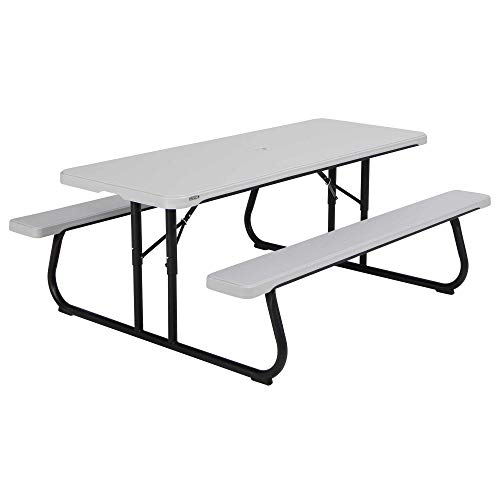
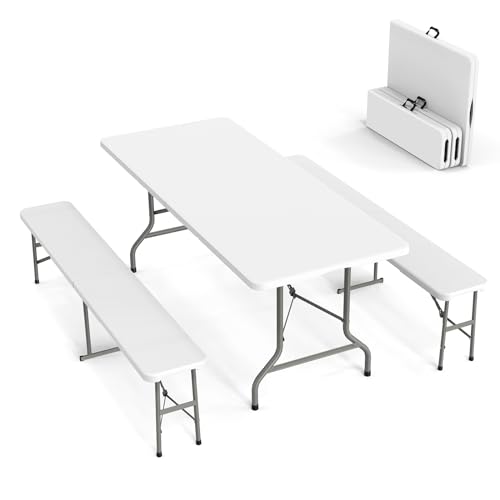
These are the most portable option. The benches fold into the table for compact storage, making them ideal for camping, RV trips, and small garages. A plastic folding picnic table with benches sets up in seconds and can be moved by one person.
Fixed-Bench Tables
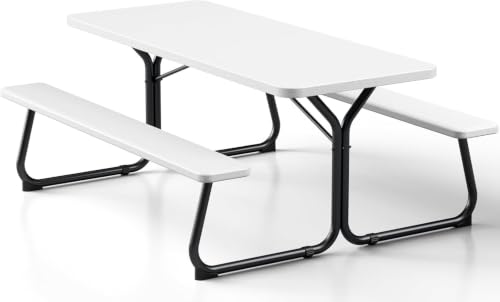
Fixed models have benches attached to the frame and are designed to stay in one place. They feel more stable than folding tables and work well as a permanent backyard or garden feature. For a classic look, compare the standard picnic table format.
Tables With Umbrella Openings
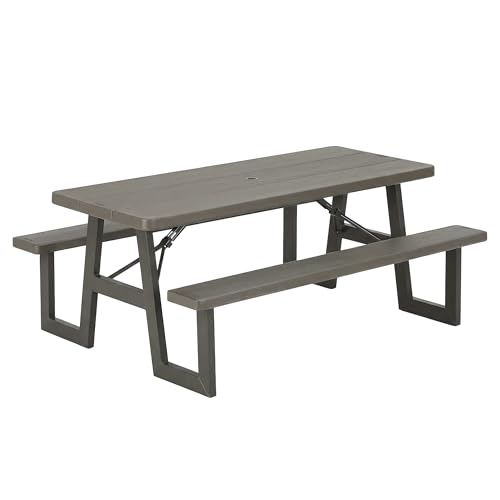
A plastic picnic table with umbrella adds shade without a separate canopy. The center hole accepts a standard patio umbrella, which is especially useful in sunny yards and open campsites. Pair it with a sturdy base from our patio umbrella bases guide for stable shade.
Convertible Benches and Tables
Some clever designs switch between bench and table configurations. A plastic bench that turns into a picnic table is a space-saving pick for balconies and small patios where storage is limited.
At-a-Glance Comparison
Use the table below to match the table style to your intended use. It focuses on fit and function rather than retail figures.
| Table Style | Best For | Portability | Stability |
|---|---|---|---|
| Folding table with attached benches | Camping, tailgates, small patios | High | Moderate |
| Fixed-bench table | Permanent backyard setup | Low | High |
| Table with umbrella opening | Sunny yards, open campsites | Moderate | High |
| Convertible bench-to-table | Balconies, tight storage spaces | High | Moderate |
| Commercial-grade fixed table | Parks, schools, heavy daily use | Low | Very high |
Choosing the Right Size
Size is one of the most overlooked factors in choosing a plastic picnic table. A table that is too large crowds a small deck, while an undersized table forces guests to squeeze together. As a general guide:
- Two to four people: Compact folding tables and convertible benches fit well on balconies and small decks.
- Four to six people: The standard family size for backyard patios and gardens.
- Six to eight people: Larger fixed tables for entertaining and extended family gatherings.
Measure your available footprint before ordering, and leave at least two feet of clearance on each side of the benches so people can sit down comfortably. If you are furnishing a small outdoor area, our patio table and chairs for small deck guide offers useful layout advice.
Setup, Placement, and Stability
Plastic picnic tables are simple to set up, but a few placement decisions make a big difference in comfort and safety.
- Choose level ground: A flat, firm surface prevents rocking and reduces stress on the frame.
- Consider wind exposure: Lighter tables can shift in strong gusts. Place the table in a sheltered spot or anchor it with straps if it sits in an open yard.
- Think about shade: A table with an umbrella opening or a nearby patio shade solution keeps meals comfortable on hot days.
- Keep a clear path: Leave room around the benches so guests can move without stepping over legs.
Care and Maintenance
One of the strongest arguments for a plastic picnic table is how little maintenance it requires. A few simple habits keep the table looking fresh for years.
- Routine cleaning: Wipe the surface with mild soap and water. Avoid abrasive pads that can dull the finish.
- UV protection: Prolonged sun exposure causes fading over time. A cover during off-season months helps preserve color.
- Winter care: In cold climates, store folding tables indoors or under cover to prevent cracking from freeze-thaw cycles.
- Hardware checks: Tighten bolts and inspect bench supports once a season on fixed models.
If the table shares space with other outdoor pieces, our broader outdoor care guides cover weatherproofing and seasonal maintenance in more depth.
Buying Checklist
Before you decide, run through this quick checklist to make sure the table matches your needs:
- Confirm the material type: HDPE, resin, or polypropylene blend.
- Check the frame: powder-coated steel for stability, aluminum for lighter weight.
- Match the seating capacity to your household and entertaining habits.
- Decide between folding portability and fixed stability.
- Look for UV-stabilized construction if the table stays outside year-round.
- Verify whether the table ships assembled or requires basic assembly.
- Check the warranty terms for frame and surface coverage.
Frequently Asked Questions
How long does a plastic picnic table last?
Is a plastic picnic table heavy enough to stay put in wind?
Can a plastic picnic table stay outside all year?
Do plastic picnic tables need assembly?
What size plastic picnic table fits a family?
Are plastic picnic tables safe for children?
Final Thoughts
A plastic picnic table is a practical, low-maintenance investment that earns its place in backyards, campsites, and compact patios alike. Focus on material quality, frame stability, and the right size for your space, and you will have a table that serves your household for many seasons. When you are ready, compare the recommended models below and check availability on your preferred retailer.