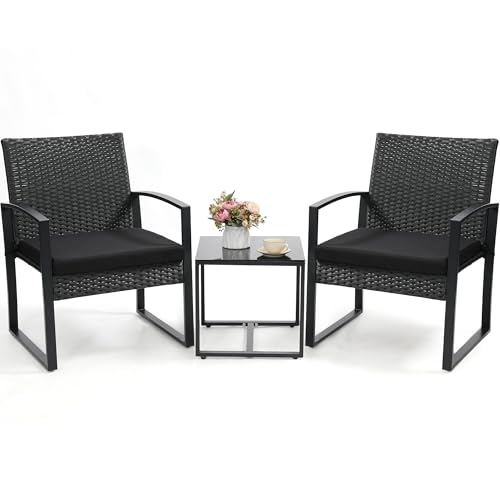
Plastic Outdoor Furniture: The Complete Buying Guide
Everything you need to choose durable, low-maintenance plastic patio furniture — from resin Adirondack chairs to weather-resistant dining tables.
EXPLORE THE GUIDEWhy plastic outdoor furniture deserves a closer look: Modern resin and high-density polyethylene pieces have moved far beyond flimsy folding chairs. Today's best plastic patio furniture combines weather resistance, easy cleaning, and design flexibility — making it a smart long-term investment for busy homeowners who want a beautiful outdoor space without constant upkeep.
What Counts as Plastic Outdoor Furniture?
"Plastic outdoor furniture" is a broad term covering several distinct material families. Understanding the differences helps you judge durability, comfort, and styling potential before you commit. The main categories are:
- Hollow plastic (entry-level tier): Lightweight, stackable chairs and tables molded from thin polypropylene. They are a common starter tier choice for balconies, rentals, and occasional seating. They are easy to move but less resistant to UV fading and heavy loads over time.
- Resin (mid-range to high-end tier): Denser polypropylene or polyethylene blends with UV stabilizers and reinforced frames. Resin Adirondack chairs and dining sets in this tier offer smoother surfaces, better color retention, and sturdier construction.
- High-density polyethylene (HDPE) lumber (premium tier): Often sold as "polywood" or "poly lumber," this material is engineered to mimic timber. It is heavy-duty, colorfast through the material, and resistant to rot, insects, and moisture — a genuine long-term investment.
- Plastic-composite hybrids (top-tier): Blends of recycled plastic and wood fiber that deliver wood-like texture with plastic's low maintenance. These sit at the top of the category for realism and structural stability.
If you are comparing material families more broadly, our guide to plastic and resin materials breaks down the technical differences, while our overview of plastic outdoor furniture covers the category as a whole.
Types of Plastic Outdoor Furniture
The category spans nearly every seating and dining need. Here are the most popular formats and what each is best suited for.
Plastic Adirondack Chairs
The Adirondack silhouette is one of the most iconic outdoor seat shapes, and plastic versions make it accessible without the maintenance of painted wood. Look for models with integrated cup holders and phone slots for practical lounging. Our roundup of plastic Adirondack chairs covers the leading styles, and if you want added convenience, see the cup-holder models or the cup-and-phone-holder variants. Stackable versions are ideal for compact patios — explore stackable Adirondack chairs.
Plastic Outdoor Chairs & Rocking Chairs
Beyond Adirondacks, plastic outdoor chairs range from dining chairs to deep-seat lounge seats. They are lightweight, easy to rearrange, and simple to wipe clean. For a relaxed porch feel, plastic rocking chairs deliver gentle motion without the upkeep of timber rockers. For everyday dining and gathering seating, browse the full range of plastic outdoor chairs.
Plastic Tables & Dining Sets
Plastic tables are available as standalone pieces or as coordinated dining sets. A plastic outdoor table works well as a casual dining or craft surface, while a plastic outdoor dining table with an umbrella hole pairs naturally with shade. For flexible storage, consider a table with removable legs, or a folding patio table with an umbrella hole for seasonal setups.
Plastic Picnic Tables & Benches
Plastic picnic tables bring the classic outdoor dining format into a weather-proof package. Options include plastic picnic tables, folding picnic tables with benches, and clever convertible designs like a bench that turns into a picnic table. A simple plastic bench is a versatile add-on for gardens and entryways.
Storage & Accessories
Plastic storage is a natural companion to plastic furniture. A plastic outdoor storage box or storage cabinet keeps cushions and covers dry, while general outdoor plastic storage solutions help declutter the patio. These pieces share the same weather resistance and easy-clean benefits as the furniture itself.
Materials, Durability & Weather Resistance
Durability in plastic furniture hinges on three factors: polymer density, UV stabilization, and frame reinforcement. Here is how the tiers compare.
| Tier | Typical Material | Best For |
|---|---|---|
| Essential tier | Hollow polypropylene | Balconies, rentals, occasional seating, sheltered patios |
| Balanced tier | UV-stabilized resin | Everyday family patios, poolside seating, dining sets |
| High-end tier | Reinforced HDPE lumber | Year-round outdoor use, coastal and windy locations |
| Top-tier | Plastic-wood composite | Wood-look patios, premium decks, long-term installations |
Weather resistance: Premium resin and HDPE pieces resist UV fading, moisture, and temperature swings far better than entry-level hollow plastic. If you want the warm appearance of timber without the upkeep, plastic outdoor furniture that looks like wood is a strong option. Our plastic and resin deep dive explains how UV stabilizers and colorfast pigments work.
Care and maintenance: Most plastic furniture cleans with mild soap, warm water, and a soft brush. Avoid abrasive pads, which can dull matte finishes, and harsh solvents that may degrade UV coatings. Cushions benefit from plastic cushion covers for extra protection. Store or cover entry-level hollow plastic pieces during extreme cold to extend their service life.
Styling Plastic Furniture for a Polished Patio
Plastic furniture has a reputation problem — but that is a styling issue, not a material one. A few deliberate choices transform a plastic patio into a designed outdoor room.
- Anchor with a rug and shade: A defined ground plane and a quality umbrella instantly elevate the look. Explore patio shade solutions and pair your table with a wind-stable umbrella or a weighted-base umbrella.
- Mix textures: Pair matte resin seating with woven textiles, natural-fiber cushions, and wood-grain tabletops for visual warmth. A patio side table in a contrasting finish adds depth.
- Commit to a palette: Neutral resin tones (sand, slate, charcoal) work with nearly every patio style. Bold colors suit specific design themes like coastal or bohemian patios.
- Add a focal point: A canopied patio swing or a coordinated seating group creates a natural gathering zone.
For layout inspiration, the patio table and chairs guide and the small-deck table layout article show how plastic dining sets fit into real spaces.
What to Check Before You Buy
Use this practical checklist to evaluate any plastic outdoor furniture piece objectively:
- Polymer density: Thicker walls and reinforced ribs indicate a more durable build. Avoid pieces that flex noticeably under light pressure.
- UV stabilization: Look for UV-stabilized resin or HDPE. This is the single biggest factor in long-term color retention.
- Frame reinforcement: Chairs with metal-reinforced joints or internal bracing last longer, especially in high-use households.
- Weight and wind stability: Heavier pieces resist wind better. For windy locations, choose HDPE lumber or weighted bases.
- Assembly and portability: Stackable and folding designs simplify seasonal storage. Removable-leg tables make off-season storage easier.
- Warranty and weather rating: A clear weather rating and a multi-season warranty signal manufacturer confidence.
- Seat comfort: Test seat depth and back angle where possible. Add cushions if the seat is shallow — just use weather-resistant cushion covers.
Common Mistakes to Avoid
- Choosing hollow plastic for year-round exposure: Entry-level hollow pieces are best in sheltered or seasonal settings. For full-sun, year-round patios, step up to resin or HDPE.
- Skipping UV protection: Clear or thin-walled plastic can yellow and become brittle. Always check for UV stabilization.
- Ignoring wind: Lightweight chairs and tables blow over in storms. Weighted bases and heavier materials solve this — see umbrella bases for shade stability.
- Underestimating styling: Plastic furniture looks best when deliberately styled with rugs, cushions, and shade rather than scattered randomly.
- Not measuring the space: Confirm table and chair dimensions against your patio footprint before ordering. The small-deck layout guide is a useful reference.
Who Should Choose Plastic Outdoor Furniture?
Plastic and resin furniture is a particularly strong fit for:
- Busy households that want low-maintenance outdoor seating without seasonal refinishing.
- Families with kids and pets who need wipe-clean surfaces and durable construction.
- Coastal and humid climates where wood and metal face rot and rust risks.
- Renters and apartment dwellers who need lightweight, movable, stackable pieces.
- Homeowners seeking a long-term investment in HDPE lumber that resists fading and rot for many seasons.
If you want a broader comparison across materials, the plastic outdoor furniture overview and the resin material guide pair well with this article.
Frequently Asked Questions
Is plastic outdoor furniture durable in harsh weather?
High-density polyethylene and polypropylene furniture is highly weather-resistant, resisting UV fading, moisture, and temperature swings. Mid-range and premium resin pieces are reinforced and designed to last many seasons with minimal care, while entry-level hollow plastic models suit sheltered patios and seasonal use.
How do I clean plastic patio furniture?
Most plastic and resin furniture cleans with mild soap, warm water, and a soft brush. Avoid abrasive pads and harsh solvents that can dull the finish. Rinse thoroughly and dry with a microfiber cloth to prevent water spots and mineral buildup.
Does plastic outdoor furniture look like wood?
Yes. Modern resin furniture with wood-grain texturing and matte finishes closely mimics teak and cedar. These pieces offer the warm look of timber with far less maintenance — see plastic furniture that looks like wood for examples.
Can plastic furniture be left outside year-round?
Premium resin and high-density polyethylene pieces can typically remain outdoors year-round in most climates. Entry-level hollow plastic models benefit from covers or storage during extreme cold and heavy snow. Always check the manufacturer's weather-rating guidance for your specific piece.
Final Thoughts
Plastic outdoor furniture has matured into a genuinely practical category. The key is to match the material tier to your climate and usage: entry-level hollow plastic for light, seasonal use; UV-stabilized resin for everyday family patios; and HDPE lumber for year-round, long-term installations. With the right tier and a little styling, plastic furniture can look every bit as considered as timber or metal — while demanding far less of your time.
Ready to compare specific pieces? Browse our curated recommendations below, then explore related guides like plastic outdoor chairs, plastic Adirondack chairs, and plastic picnic tables to narrow your shortlist.