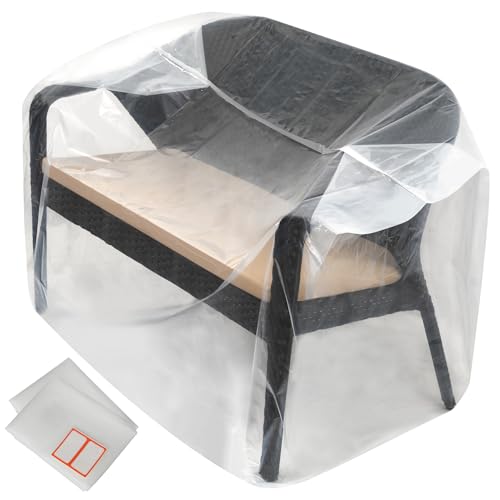
What Are Plastic Cushion Covers?
Plastic cushion covers are protective enclosures designed to slide over or wrap around outdoor seat and back cushions. They range from thin, flexible polyethylene bags used for seasonal storage to heavy-duty vinyl and PVC covers built for daily outdoor exposure. Their core job is the same: block water, dirt, and debris from reaching the cushion fabric and foam inside.
Unlike decorative slipcovers, plastic covers are functional first. Most are transparent or translucent so you can identify cushions at a glance, and many feature drawstring closures, zippers, or elastic hems to keep the cover secure in wind. If you are also refreshing the look of your seating, pair covers with replacement patio swing cushions or new patio table chair cushions for a complete refresh.
Why Use Plastic Covers on Outdoor Cushions?
Outdoor cushions are typically made from solution-dyed acrylics, polyester, or olefin fabrics with water-repellent finishes. These materials resist moisture, but they are not impervious. Prolonged rain, morning dew, and sprinkler spray slowly saturate fabric and foam, leading to mildew, musty odors, and color fade. Plastic covers address these problems directly:
- Rain and dew protection: A waterproof barrier stops water from soaking into foam, which is the hardest part of a cushion to dry.
- Dust and pollen control: Covers keep surfaces clean, so you spend less time wiping down before guests arrive.
- Pest and debris defense: Leaves, twigs, and bird droppings stay off the fabric, reducing staining risk.
- Seasonal storage: During winter or off-season months, sealed plastic bags protect cushions from damp basements, garages, and sheds.
- Extended lifespan: Fewer wash cycles and less moisture exposure mean cushions hold their shape and color longer.
For broader protection of your entire seating arrangement, many owners combine cushion covers with furniture covers and a dedicated patio storage box to keep everything organized between uses.
Types of Plastic Cushion Covers
Not all plastic covers are equal. The right choice depends on whether you need everyday protection, long-term storage, or both. The cards below describe the main categories using relative quality tiers rather than specific figures.
Clear Polyethylene Bags
Thin, flexible bags with drawstring or twist-tie closures. Best for short-term dust protection and light storage. They are water-resistant rather than fully waterproof and are not ideal for exposed daily use in rainy climates.
Vented Plastic Covers
Feature mesh panels or small vents that let trapped humidity escape while blocking rain. A balanced choice for everyday protection on covered porches and in humid regions where condensation is a concern.
Heavy-Duty PVC Covers
Thicker gauge vinyl with reinforced seams, zippers, and elastic or drawstring hems. Fully waterproof and wind-resistant. Suited to open patios, coastal areas, and year-round outdoor exposure.
Vacuum-Style Storage Bags
Large-capacity bags with double-seal closures designed for seasonal storage. Some support air removal to compress cushions for tight spaces. Best for winter storage in garages or sheds, not for daily use.
Material Comparison: What Works Best?
Each plastic material balances durability, breathability, and flexibility differently. Use the comparison below to match a material to your climate and usage pattern.
| Material | Tier | Best For | Key Consideration |
|---|---|---|---|
| Polyethylene (PE) | Entry-level | Light dust cover, short storage | Water-resistant, not fully waterproof; replace periodically |
| Vinyl (PVC) | Mid-range to premium | Daily rain protection, open patios | Fully waterproof; choose vented versions to reduce condensation |
| Reinforced Vinyl | High-end tier | Windy locations, long-term exposure | Heavier gauge with stronger seams and closures |
| Polypropylene (PP) | Mid-tier | Budget-friendly storage | Lightweight and tear-resistant; limited UV stability over time |
| TPU / Eco Vinyl | Premium | Flexible, durable daily covers | More pliable in cold weather; good UV and abrasion resistance |
How to Choose the Right Plastic Cushion Cover
Choosing well comes down to five practical factors. Work through each one before ordering, and the decision becomes straightforward.
1. Measure Accurately
Measure the cushion at its widest points: length, width, and thickness. Add a few inches of slack on every side so the cover slides on easily and does not stress seams. Covers that are too tight tear at the corners; covers that are too loose pool water and flap in wind. If your cushions are part of a larger set, confirm dimensions across all pieces, since seat and back cushions often differ.
2. Match the Cover to Your Climate
In rainy, humid regions, prioritize fully waterproof PVC with venting to manage condensation. In dry, sunny climates, focus on UV-stabilized materials that resist cracking. Coastal areas need wind-secure closures and rust-resistant hardware. If your patio sits under a roof, a lighter water-resistant cover may be sufficient.
3. Decide Between Daily Use and Storage
Daily-use covers should be easy to put on and remove, with elastic or drawstring hems. Storage covers can be larger and sealed, since convenience matters less than full moisture protection. Many households keep both: vented covers for the active season and sealed bags for winter. A patio storage cabinet can keep folded covers tidy and accessible.
4. Check Closures and Security
Zippers, drawstrings, elastic hems, and toggle fasteners all serve the same purpose: keeping the cover in place. On exposed patios, wind is the main enemy of lightweight covers. Look for reinforced hems and double-stitched seams on heavier covers, and consider covers with built-in tie-down points if your area sees strong gusts.
5. Consider Breathability
Fully sealed plastic traps moisture if cushions go in damp. Vented covers or covers with mesh panels allow humidity to escape, reducing mildew risk. For storage, add a moisture absorber inside the bag and ensure cushions are bone-dry before sealing.
Quick Buying Checklist
- Measure length, width, and thickness, then add slack on all sides
- Confirm the cover is waterproof (not just water-resistant) for exposed patios
- Choose vented covers for humid climates and daily use
- Check closure type: zipper, drawstring, elastic, or toggle
- Verify UV stabilization if the cover stays outdoors year-round
- Plan separate storage bags for off-season months
- Dry cushions completely before covering
Installation and Daily Use Tips
Proper installation makes a noticeable difference in how well covers perform. Follow these steps for a secure, protective fit:
- Clean and dry first. Brush off debris and let cushions air-dry fully in the sun before covering. Any trapped moisture becomes a mildew risk.
- Slide, don't stretch. Ease the cover over the cushion rather than pulling hard, which can tear seams or puncture the plastic.
- Secure the closure. Tighten drawstrings, zip fully, or tuck elastic hems to prevent wind lift.
- Position away from standing water. Ensure the bottom edge does not sit in puddles on the patio surface.
- Check after storms. Remove covers, shake off water, and let cushions breathe once the weather clears.
If your seating sits on an open deck, consider pairing cushion protection with shade. A patio umbrella that won't blow over or a patio swing with canopy reduces direct rain and UV exposure, easing the load on both cushions and covers.
Care and Maintenance for Plastic Covers
Plastic covers are low-maintenance but not maintenance-free. Wipe them down with mild soapy water and a soft cloth every few weeks during active seasons. Rinse and dry thoroughly before folding for storage. Avoid abrasive cleaners, which scratch the surface and cloud transparency. Inspect seams and closures periodically; small tears can be patched with clear vinyl repair tape before they spread.
UV exposure degrades all plastics over time. Covers left in direct sun may become brittle or yellow after extended use. Rotating between two covers or storing them shaded when not in use extends their service life. For an overview of broader material care, see the guide on plastic and resin outdoor furniture.
Common Mistakes to Avoid
- Covering damp cushions: The most common cause of mildew. Always dry first.
- Using thin bags outdoors: Entry-level polyethylene bags are not built for wind and rain exposure.
- Ignoring ventilation: Sealed covers in humid climates trap condensation unless vented.
- Oversizing excessively: Loose covers collect water and flap, causing wear.
- Skipping UV protection: Non-stabilized plastics degrade quickly in direct sun.
How Plastic Covers Fit Into a Complete Patio Care Routine
Cushion covers work best as part of a layered protection strategy. Pair them with furniture covers, regular cleaning, and smart storage. If your setup includes a dining area, protect the table with a rectangular patio table cover with umbrella hole, and store loose items in a plastic outdoor storage box. For seating that stays out year-round, a patio sofa with quick-dry cushions combined with plastic covers offers a practical balance of comfort and protection.
Ready to Protect Your Patio Cushions?
Browse recommended plastic cushion covers and related outdoor protection products selected for durability, fit, and weather resistance.
View Recommended Covers