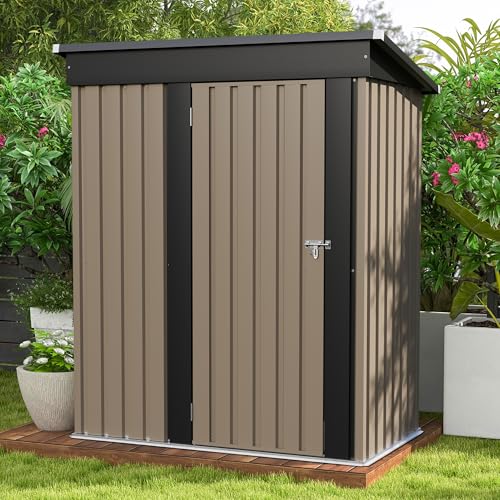
Patio Storage Cabinet: The Complete Buying Guide
Keep cushions, tools, and outdoor essentials dry, organized, and within reach. Learn how to choose a weatherproof patio storage cabinet that fits your space, climate, and daily routine.
Explore the GuideWhy a patio storage cabinet matters: Outdoor living spaces accumulate gear fast — seat cushions, throw blankets, grill tools, kids' toys, and gardening supplies. A dedicated patio storage cabinet protects these items from rain, sun, and pests while freeing up your deck or balcony for actual relaxation. This guide walks you through materials, sizing, weatherproofing, and the features that separate a durable cabinet from a flimsy one.
If you have ever dragged damp cushions into the house before a storm or hunted for a missing grill brush in the garage, you already understand the value of on-site outdoor storage. A well-chosen patio storage cabinet solves those problems without sacrificing style. The right unit blends into your outdoor design, keeps contents dry through seasonal swings, and opens smoothly for years of daily use.
This guide is written for homeowners in the research phase — you know you need storage, but the options are overwhelming. Below we break down cabinet types, material tiers, sizing rules, and the questions to ask before you commit.
Related Outdoor Storage & Care Guides
What Exactly Is a Patio Storage Cabinet?
A patio storage cabinet is a freestanding, enclosed outdoor unit with doors (and sometimes drawers or shelves) designed to protect contents from the elements. Unlike an open storage box, a cabinet typically stands taller and offers vertical organization: shelves for folded cushions, hooks for tools, and a lockable compartment for valuables. Common placements include covered porches, poolside decks, balconies, and alongside outdoor kitchens.
Most cabinets fall into three broad formats:
- Upright cabinets — tall, narrow footprints ideal for porches and balconies where floor space is limited but vertical space is available.
- Wide storage cabinets — horizontal designs that fit along a wall or beneath a window, offering broad shelves for long items like folded umbrellas and rugs.
- Corner cabinets — triangular or angular units that turn awkward corners into usable storage.
Regardless of format, the core job is the same: keep moisture out, block UV damage, and make everyday items easy to grab. As you read on, keep your climate in mind — a coastal home faces salt air and humidity that demand different materials than a dry desert patio.
Materials Compared: Resin, Wood, Metal, and More
Material choice drives durability, maintenance, and appearance more than any other decision. We use neutral tier descriptors below so you can compare products on their merits rather than on fluctuating numbers.
Resin & Plastic Cabinets
Molded resin cabinets resist moisture, do not rot, and wipe clean easily. They are a solid choice for wet climates and pool areas. Entry-level models may feel lightweight and can fade under intense UV over many seasons.
Best for: Poolside decks, rainy regions, renters, and households that prioritize low maintenance.
Wood & Composite Cabinets
Teak, acacia, fir, and composite lumber bring warm natural texture. High-grade composite boards resist rot and splintering better than natural wood without annual sealing. Solid wood cabinets require periodic sealing or oiling to stay weatherproof.
Best for: Covered porches, decorative decks, and homeowners who want a furniture-matching look.
Metal Cabinets
Powder-coated steel and aluminum cabinets offer strong structural rigidity and cleaner lines. Look for rust-proof finishes and reinforced hinges; premium models use stainless hardware. Metal units tend to be heavy and may arrive partially assembled.
Best for: Modern patios, windy locations, and security-focused storage.
Stainless & Heavy-Duty Cabinets
Commercial-grade stainless cabinets are built for outdoor kitchens and coastal environments where corrosion resistance is paramount. Expect welded frames, sealed gaskets, and locking mechanisms. These are long-term investments for dedicated outdoor cooking setups.
Best for: Outdoor kitchens, coastal homes, and serious grill masters.
Whichever material you lean toward, verify the finish. A weather-resistant coating or rust-proof finish matters more than the raw material name. Cabinet doors should close flush, and seals should be intact before you trust them with cushions.
For a deeper dive into resin construction specifically, see our overview of plastic resin furniture. If wood care is your concern, the outdoor care hub covers sealants and seasonal maintenance.
Sizing Your Cabinet: Measure Before You Shop
The most common buyer regret in outdoor storage is a cabinet that does not fit its contents or its space. Work through these steps before comparing models:
- Measure the available footprint — include door swing clearance and any wall obstructions such as outlets or hose bibs.
- Measure your largest item — typically a folded lounge cushion or a rolled rug. Cabinet interior depth must exceed the folded thickness with room for air circulation.
- Check ceiling or overhang height — a tall cabinet may not fit under a low porch soffit.
- Plan the path — an assembled cabinet must pass through gates and around corners. Many units ship flat-packed for this reason.
As a rule of thumb, a compact upright cabinet suits a balcony or small porch, while a wide unit is better for a family deck with multiple seating zones. If you are still mapping out your layout, the measurement guide explains how to sketch a patio plan accurately.
Weatherproofing: What Actually Keeps Contents Dry
Marketing claims aside, dryness depends on four physical details:
- Lid and door seals — overlapping lips, rubber gaskets, or tongue-and-groove closures shed water at the openings.
- Raised base — feet or a plinth lift the cabinet off wet decks and allow airflow underneath.
- Sloped top — a slight pitch prevents pooling and slows surface wear.
- Ventilation — some cabinets include passive vents to release trapped humidity, which matters in climates with wide day-night temperature swings.
Even a well-sealed cabinet benefits from a desiccant pack or a moisture-absorbing pouch in humid months. If your patio is fully exposed, consider siting the cabinet on a covered porch or beneath an awning. Our guide to weatherproofing outdoor furniture covers broader strategies for protecting everything on your deck, and the patio shade overview explores awnings and umbrellas that reduce direct exposure.
Features Worth Having (and Ones You Can Skip)
Not every feature adds value. Here is how we weigh the common options:
| Feature | Why It Matters | Priority |
|---|---|---|
| Lockable latch | Deters casual theft and keeps children out of chemical or tool storage. | High for exposed decks |
| Adjustable shelving | Lets you reconfigure between cushion season and tool season. | High |
| Soft-close hinges | Prevents slammed doors and finger pinches; extends hinge life. | Medium |
| Interior hooks or bins | Keeps small items from tumbling when the door opens. | Medium |
| Integrated wheels | Helpful on smooth decks; less useful on gravel or grass. | Situational |
| Decorative paneling | Blends the cabinet into your patio style; adds little to durability. | Optional |
If your cabinet will hold items you rarely touch, a simple sealed box may be sufficient — see our comparison of the patio storage box format. If you want seating plus storage, the patio storage bench guide is the better starting point.
How to Compare Cabinets by Tier
Since outdoor storage spans a wide quality range, we recommend comparing products by tier rather than by isolated specs. Use this framework when reading listings:
| Tier | Typical Construction | Best For |
|---|---|---|
| Entry-level | Thin resin panels, basic latches, limited UV stabilization | Renters, short-term setups, light use |
| Mid-range | Thicker resin or composite, reinforced shelves, sealed doors | Family decks and covered porches |
| Premium | Powder-coated metal or high-grade composite, soft-close hardware | Exposed patios, windy locations, long-term use |
| Luxury / professional-grade | Stainless or welded aluminum, gasketed seals, locking systems | Outdoor kitchens and coastal homes |
A mid-range cabinet usually offers a smoother door mechanism and better sealing than entry-level models, while premium tiers add structural rigidity and corrosion resistance. Match the tier to your exposure — a covered porch rarely demands a commercial-grade unit, but a beachfront deck often does.
Placement, Style, and Patio Harmony
Storage should feel intentional, not like an afterthought. Three placement principles help:
- Anchor a zone. Place the cabinet at the edge of a seating or dining area so it serves that zone without interrupting traffic flow.
- Match the dominant material. A wicker seating group pairs naturally with a composite or resin cabinet; a metal dining set suits powder-coated steel.
- Respect sightlines. From the main interior window, the cabinet should read as furniture, not clutter.
For broader style direction, browse the patio styles collection, which covers modern, rustic, coastal, and minimalist approaches. If your cabinet sits beside a dining set, the patio table guide explains how to coordinate proportions and finishes.
Keeping Your Cabinet in Shape Season After Season
Maintenance routines vary by material, but a few habits apply universally:
- Empty and air it out at the start of each season to prevent mildew and stale odors.
- Wipe seals and tracks with a damp cloth; grit accelerates wear on hinges and gaskets.
- Inspect fasteners twice a year and tighten any loosened screws or bolts.
- Touch up finishes on metal or wood at the first sign of chipping or fading.
- Store textiles dry. Never place damp cushions inside — trapped moisture is the leading cause of odor and mold.
For cleaning products and seasonal routines, see the furniture cleaners guide and the cushion storage solutions article. If you plan to leave the cabinet outside through winter, the winter storage guide covers cold-weather protection in detail.
Which Cabinet Fits Your Situation?
Balcony or Small Patio
Choose a slim upright cabinet with adjustable shelves. Prioritize a raised base and sealed doors over interior extras. Corner units can reclaim wasted space.
Family Deck
A wide mid-range cabinet with lockable doors handles cushions, toys, and grill gear. Look for reinforced shelves that will not sag under stacked textiles.
Poolside
Resin or stainless construction resists splashes and chlorine-tinged moisture. Ensure the base drains and avoid untreated wood near the water line.
Outdoor Kitchen
Professional-grade stainless cabinets with gasketed doors protect tools and electronics. Locking compartments add peace of mind for expensive equipment.
Frequently Asked Questions
Can a patio storage cabinet stay outside all year?
Yes, provided it is rated for outdoor use. Resin, composite, and powder-coated metal cabinets are designed for year-round exposure. Untreated wood should be sealed and, in harsh winters, moved to a covered area. Always check the manufacturer's exposure rating before leaving a cabinet in full sun or snow.
How do I stop moisture inside the cabinet?
Start with dry contents — never store damp cushions. Use a desiccant pouch or moisture absorber, especially in humid climates. Ensure the cabinet has a raised base and, if possible, passive ventilation. Wipe interior condensation after sharp temperature swings.
Is resin or wood better for a humid climate?
Resin generally wins in high humidity because it does not rot, swell, or require sealing. High-grade composite lumber is a strong alternative with a more natural look. Natural wood can work under a covered porch if maintained with regular sealing, but it demands more attention.
How much weight can cabinet shelves hold?
Capacity varies widely by tier. Entry-level resin shelves typically handle light loads such as folded textiles, while premium metal and composite shelves support heavier tool collections. Always check the stated shelf rating and distribute weight evenly rather than concentrating it at one end.
Do I need a lockable cabinet?
If the cabinet sits on an exposed deck, near a street, or holds tools and electronics, a lock is worthwhile. For a private backyard holding only cushions, a simple latch is usually sufficient.
Final Thoughts
A patio storage cabinet is one of the most practical upgrades you can make to an outdoor space. It protects your investments, reduces trips to the garage, and keeps the deck visually calm. Focus your research on three things: the material tier that matches your climate, a size that fits both your contents and your footprint, and seals that genuinely keep water out.
Once the cabinet is in place, the rest of your patio plan becomes easier — seating, dining, and lighting all benefit from having gear stowed properly. If you are still assembling the broader layout, revisit the storage bench and storage box guides for complementary solutions, or explore the full outdoor care section for maintenance schedules.
Browse the curated selection below to compare current cabinet options across tiers and find the one that fits your space.