Patio Storage Bench: The Complete Buying Guide for Outdoor Organization
Master the art of outdoor organization with a patio storage bench that combines comfortable seating with practical concealed storage. Learn how to choose the right materials, size, and features for your deck, porch, or backyard.
Why a patio storage bench belongs in every outdoor space: A storage bench solves two common backyard problems at once — limited seating and scattered outdoor essentials. Whether you need a place to tuck away cushions, garden tools, pool toys, or grill accessories, a well-chosen bench keeps your outdoor area tidy while doubling as a comfortable resting spot. This guide walks you through every decision point, from material selection to capacity planning, so you can choose with confidence.
What Is a Patio Storage Bench?
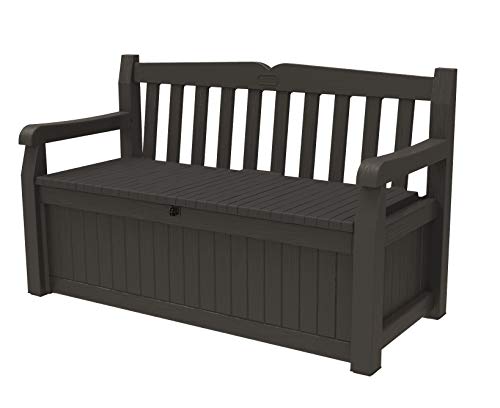
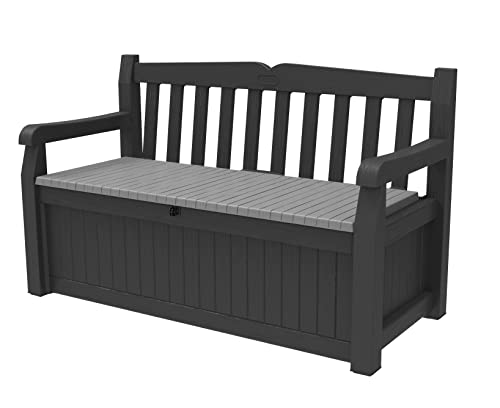
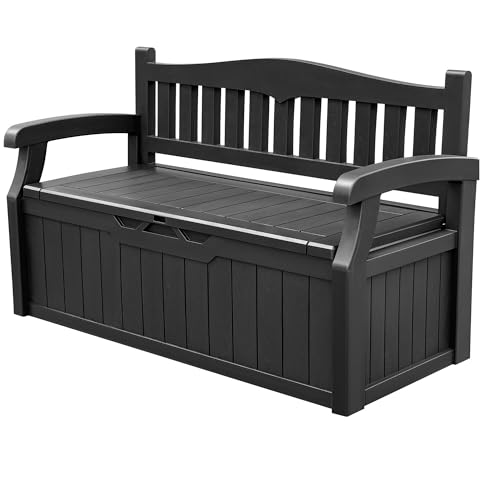
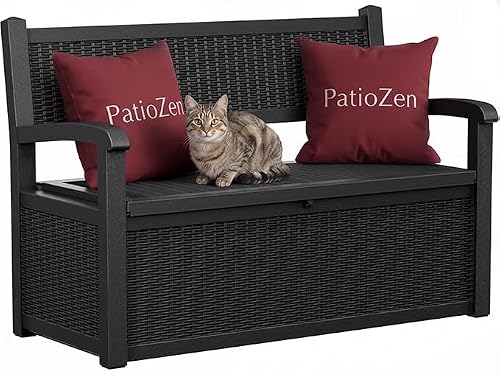
A patio storage bench is a dual-purpose outdoor furniture piece that provides a flat seating surface on top and a sealed or ventilated compartment underneath for storing outdoor items. Unlike a standard garden bench, the seat lifts or slides open to reveal interior space designed to hold everything from throw pillows and blankets to gardening supplies and children's toys.
These benches come in three primary configurations: lift-top benches (the entire seat hinges upward), front-access benches (doors or drawers open from the front), and split-seat benches (one half lifts while the other remains fixed for seating). Each style suits different usage patterns, and the best choice depends on where you plan to place the bench and how often you will access the stored contents.
For those who need larger capacity, a patio storage box or a patio storage cabinet may complement or replace a bench entirely. But if you want seating and storage in one footprint, a storage bench remains the most space-efficient option for decks, porches, and small patios.
Key Benefits of Owning an Outdoor Storage Bench
- Space efficiency: Combines two functions in a single footprint — ideal for compact decks and balconies where floor space is limited.
- Decluttering: Keeps cushions, covers, tools, and toys out of sight, protecting them from rain, sun, and wind.
- Extended furniture life: Storing fabric items inside a bench protects them from UV degradation and moisture when not in use.
- Instant guest seating: Provides extra seating for gatherings without requiring additional chairs that take up room when not needed.
- Improved safety: Keeps sharp tools, chemicals, and small items secured away from children and pets.
- Visual tidiness: A clean, organized patio feels more inviting and is easier to maintain throughout the season.
Types of Patio Storage Benches
1. Lift-Top Storage Benches
The most common design, where the entire seat surface hinges upward to reveal a single large compartment. These work best when the bench is freestanding and you have clearance above to open the lid fully. Look for gas-spring or soft-close hinges to prevent the lid from slamming shut — a critical safety feature if children are nearby.
2. Front-Access Storage Benches
Doors or drawers open from the front, allowing access even when the bench is placed against a wall or under a window. This configuration is ideal for porch setups and narrow spaces where lifting a lid would be impractical. Front-access models often include adjustable shelving for better organization.
3. Split-Seat Storage Benches
One half of the seat lifts while the other remains fixed, so someone can sit while another person accesses the storage. These are particularly useful for busy households and entertaining areas where seating is in constant demand.
4. Bench-and-Planter Combinations
Some designs integrate a storage compartment with built-in planter boxes on either side. These combine seating, storage, and greenery in one unit and suit garden settings especially well. A related option is the planter bench, which prioritizes the gardening function while still offering a place to sit.
Material Comparison: Which Is Right for Your Climate?
Material choice is the single most important decision for longevity. The table below compares the four main categories using relative market positioning rather than absolute figures.
| Material | Market Tier | Best For | Weather Resistance | Maintenance |
|---|---|---|---|---|
| Resin / Plastic | Entry-Level | Wet climates, poolside, low-maintenance households | Excellent — impervious to moisture and rot | Wipe clean with soap and water |
| Cedar / Teak Wood | Mid-Range | Natural aesthetics, covered porches, moderate climates | Good — naturally rot-resistant; needs periodic sealing | Annual sealant application recommended |
| Powder-Coated Steel | Mid-Range | High-traffic areas, modern designs, windy locations | Good — rust-proof finish resists corrosion | Touch up scratches to prevent rust |
| Aluminum with Wicker | Premium | Coastal homes, upscale patios, lightweight portability | Excellent — aluminum frame won't rust; synthetic wicker resists UV | Minimal — occasional rinse |
| High-Grade Composite | Luxury | Year-round outdoor exposure, premium landscapes | Outstanding — engineered to resist fading, cracking, and moisture | Very low — soap and water only |
Resin and plastic models occupy the entry-level tier and are the most forgiving choice for wet or humid climates. They will not rot, warp, or require sealing. If you are comparing this against a general-purpose plastic outdoor storage box, the bench version adds seating value but typically offers slightly less interior volume than a dedicated box of similar width.
Wood benches in the mid-range tier appeal to homeowners who want natural warmth on a covered porch. Cedar and teak contain natural oils that resist rot, but both benefit from an annual sealant to maintain their appearance and extend service life. If your bench will sit in full sun with no cover, expect more frequent maintenance.
Powder-coated steel brings industrial durability and modern lines. The finish protects against rust, but any scratch that exposes bare metal becomes a corrosion point. These benches suit high-traffic areas and windy locations where lighter resin models might shift.
At the premium and luxury tiers, aluminum-with-wicker and high-grade composite deliver the best combination of low maintenance and long-term durability. They resist fading, cracking, and moisture without the annual upkeep that wood demands — a smart long-term investment for homeowners who prefer set-and-forget furniture.
Pros of Resin & Plastic
- Lightweight and easy to reposition
- Will not rot, rust, or require sealing
- Easy to clean with a garden hose
- Good value for its tier
Cons of Resin & Plastic
- Can become brittle in extreme cold
- Less aesthetically refined than wood or wicker
- May fade under prolonged direct UV exposure
- Lighter weight means wind uplift risk
Sizing and Capacity: Match the Bench to Your Space
Measure your intended location before shopping. A bench that is too large will crowd a small deck, while an undersized bench wastes seating and storage potential. Use these guidelines:
- Small decks and balconies: Look for benches 36 to 48 inches wide with a depth of 18 to 22 inches. These fit along a railing or wall without blocking traffic flow.
- Standard patios: Benches 48 to 60 inches wide accommodate two adults comfortably and provide meaningful interior storage.
- Large decks and porches: Benches 60 inches and wider function as anchor pieces and can seat three or more people.
- Storage volume: Interior capacity typically ranges from 30 to 100 gallons depending on width and depth. Measure the items you plan to store — stacked cushions and folded blankets consume more space than they appear to.
Also consider the swing clearance of a lift-top lid. You need roughly the bench depth plus a few inches of overhead clearance to open the seat fully. If the bench will sit under a window or against a wall, a front-access model is the better choice.
Features That Matter: What Separates Good Benches From Great Ones
Soft-Close or Gas-Spring Hinges
Prevents the lid from slamming on fingers and reduces wear on the hinge mechanism over time.
Ventilation
Small vents or gaps allow moisture to escape, preventing mold and musty odors inside the compartment.
Weight Capacity
Check both the seating load rating and the storage load rating — they are often different. Look for reinforced frames.
Waterproof Sealing
A rubber gasket or overlapping lid design keeps rain out. Critical for benches that remain outside year-round.
Lockable Latch
Adds security for tools and chemicals, and keeps curious children out of stored items.
Adjustable Feet
Compensate for uneven deck or patio surfaces and prevent wobbling that stresses the frame.
Placement Ideas and Complementary Outdoor Furniture
Where you place the bench determines both its usefulness and its visual integration with the rest of your outdoor space.
Along a Deck Railing
This is the classic placement. The bench faces inward toward the living area, providing a natural boundary and an unobstructed view. Choose a front-access model if the railing sits close behind the lid.
Beside a Patio Sofa
Placing a storage bench at the end of a patio sofa creates a cohesive conversation zone. The bench serves as extra seating and as a place to stash throws and pillows when the evening ends.
Near the Grill or Outdoor Kitchen
A bench in this zone keeps grill tools, charcoal, and serving items organized. Be sure the material can tolerate heat and grease splatter — powder-coated steel or composite are safer bets than wood near a cooking area.
As a Poolside Resting Spot
Resin benches excel here. They tolerate splashing, chlorine, and constant moisture without deterioration. Store pool toys, towels, and goggles inside so the deck stays clear.
On a Covered Porch
Porches offer the best protection for wood benches, which can display their natural grain without the full force of the elements. A porch bench also doubles as a drop zone for shoes and deliveries.
For a fully coordinated outdoor space, consider how the bench relates to your patio shade arrangement and any outdoor rugs that define the seating zone. A well-placed rug under the bench visually anchors it and protects the deck surface beneath.
Maintenance and Care by Material
- Resin and plastic: Rinse with a garden hose and wipe with mild soap. Avoid abrasive pads that can dull the finish. Store in a sheltered spot during extreme cold snaps if the manufacturer advises it.
- Wood (cedar, teak, acacia): Clean with a soft brush and mild soap annually. Apply a quality wood sealant each year to maintain water resistance. Inspect for cracks and tighten hardware seasonally.
- Powder-coated metal: Wipe with a damp cloth. Touch up any chips or scratches with matching touch-up paint to prevent rust from starting. Avoid harsh chemical cleaners that can degrade the coating.
- Aluminum and wicker: Rinse the frame and brush debris out of the weave with a soft brush. Synthetic wicker tolerates most mild soaps. Inspect the weave for loose strands and trim them to prevent unraveling.
- Composite: The easiest to maintain — soap, water, and a soft cloth handle most cleaning. No sealing or painting required.
Regardless of material, empty and clean the storage compartment at least once per season. Debris and moisture that accumulate inside can create odors and attract pests. A quick annual reset keeps the bench fresh and functional.
Common Buying Mistakes to Avoid
- Ignoring the lid clearance. A lift-top bench placed under a window or shelf cannot open fully. Measure overhead clearance before choosing a configuration.
- Underestimating storage needs. A bench that looks spacious in photos may barely fit a single stack of cushions. Estimate the volume of your typical stored items and compare against interior dimensions.
- Overlooking wind exposure. Lightweight resin benches can become airborne in strong gusts. On exposed decks, choose heavier models or secure the bench with anchoring hardware.
- Skipping the weight rating. Two adults sitting on a bench rated for one person is a safety hazard. Always check the seating capacity before purchase.
- Neglecting drainage. Benches without ventilation or drainage can accumulate condensation, leading to mold. Look for vents or a slightly raised interior floor.
- Choosing style over substance. A beautiful bench that cannot survive your climate is a short-term purchase. Match the material to the environment first, then refine the aesthetics.
Quick Decision Framework
Use this simple sequence to narrow your options:
- Measure your available space (width, depth, overhead clearance).
- Identify your climate exposure — full sun, covered porch, wet coastal air, freezing winters.
- Pick a material tier that matches your maintenance willingness: entry-level resin for zero upkeep, mid-range wood or steel for balanced durability, premium composite or aluminum-wicker for long-term performance.
- Choose a configuration — lift-top, front-access, or split-seat — based on placement and access needs.
- Verify features: soft-close hinges, ventilation, weight ratings, lockable latch.
- Cross-check against a patio storage box if pure storage volume matters more than seating, or a picnic bench if dining seating is the priority.
Frequently Asked Questions
What should I look for in a patio storage bench?
Prioritize weather-resistant materials such as resin, cedar, or powder-coated steel. Check the weight capacity for both seating and stored items, ensure the lid has a secure prop or soft-close hinge, and confirm the interior is ventilated to prevent moisture buildup.
Are patio storage benches waterproof?
Most are water-resistant rather than fully waterproof. Resin and plastic models offer the highest water resistance. Wood benches need a sealed finish and should be placed on a raised surface. Always store items in waterproof containers inside the bench for extra protection.
How much weight can a patio storage bench hold?
Seating capacity typically ranges from 250 to 600 pounds depending on the frame material and construction. Storage capacity varies by interior volume. Always check the manufacturer's weight rating for both seating and contents before loading.
Can a patio storage bench stay outside in winter?
Resin and high-grade plastic benches can remain outside year-round in most climates. Wood benches should be covered or moved to a sheltered area. Metal benches with rust-proof finishes tolerate winter but benefit from a cover during heavy snow.
Can a storage bench replace a patio storage cabinet?
Partially. A bench offers less vertical interior space than a full cabinet, so it suits cushions, blankets, and small tools rather than tall items. If you need extensive vertical storage, a patio storage cabinet is the better fit; a bench works best as a complementary seating-and-storage piece.
What is the best material for a humid climate?
Resin, high-grade composite, and aluminum with synthetic wicker are the most forgiving in humid conditions. These materials will not rot, swell, or support mold growth the way untreated wood can. If you prefer wood, choose teak or cedar and maintain the sealant annually.