Planter Bench: The Smart Way to Combine Seating and Garden Style
A complete guide to choosing, placing, and caring for a planter bench — the dual-purpose outdoor piece that gives you a comfortable seat and a built-in home for your plants.
Why a planter bench deserves a spot in your garden: Most outdoor furniture forces a trade-off — seating takes up space that could hold plants, and planters take up space that could hold a chair. A planter bench solves both problems at once. This guide explains the materials, configurations, and practical considerations that help you choose the right model for your patio, deck, or garden border.
What Is a Planter Bench?
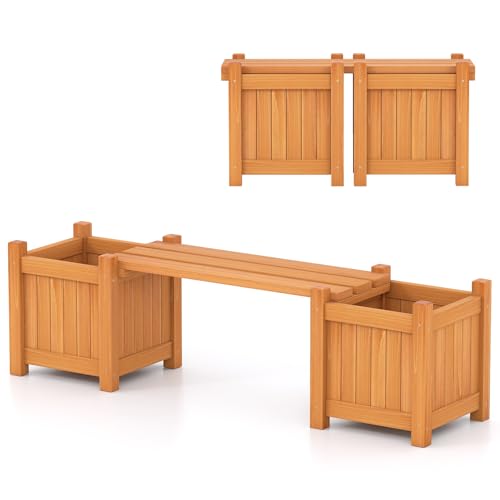
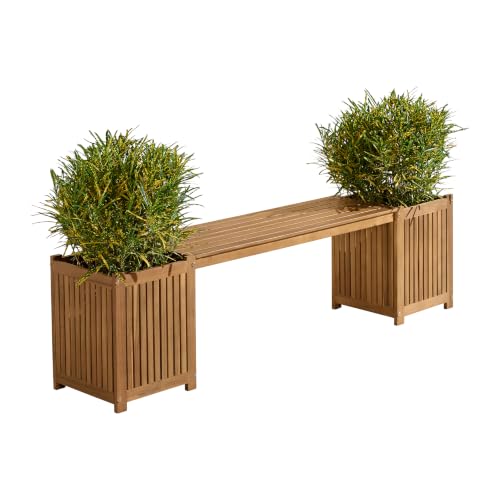
A planter bench is a hybrid outdoor furnishing: a bench seat with integrated planter boxes built into or beside the seat structure. The design typically places one or two planting troughs at the ends of the bench, or sometimes behind the backrest, so that greenery frames the seating area. The result is a single footprint that delivers two functions — somewhere to sit and somewhere to grow.
These pieces suit a wide range of settings. A compact version can transform a narrow balcony into a green retreat, while a longer model can anchor the edge of a patio or define a garden pathway. Because the planter is built in, the piece also helps visually soften hard landscaping such as concrete or pavers, which is why many homeowners pair a planter bench with natural stone patios and paver patios to break up large flat surfaces.
It helps to think of the planter bench as part seating, part garden structure. That dual identity explains why the buying decision involves both furniture criteria (comfort, frame strength, weather resistance) and gardening criteria (drainage, soil volume, sun exposure). This guide covers both sides.
Common Configurations and How They Work
Planter benches come in several structural layouts, and each one suits a different space and purpose. Understanding the layout helps you match the piece to your garden rather than forcing a design to fit.
End-Planter Bench
The most common layout places a planter box at each end of the bench seat. This configuration is balanced, visually symmetrical, and easy to place against a wall, fence, or garden border. The planters act like bookends, framing the seat and providing a natural spot for trailing plants, herbs, or small shrubs. Because the planters sit at the ends, the central seating area stays clear and comfortable.
Backrest Planter Bench
In this layout, a long, shallow planter runs behind the backrest. It is an efficient use of vertical space and works especially well when the bench is placed against a fence or wall, because the planting is visible from the front while the structure is supported from behind. This style is popular for growing flowers, ferns, or climbing plants that can drape over the back.
Integrated Storage and Planter Bench
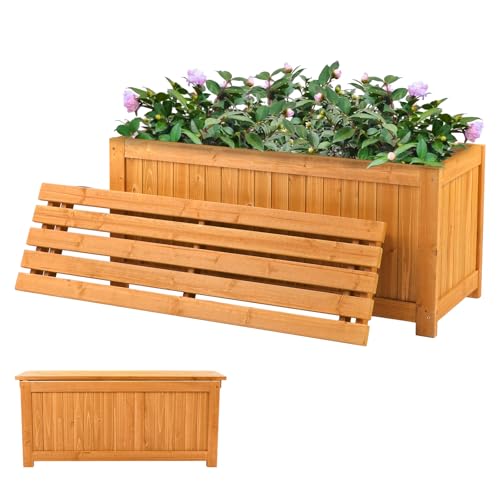
Some models combine a planter with a lift-up seat or a storage cavity beneath. These are practical for keeping small tools, cushions, or garden gloves close at hand. If storage is a priority, it is worth comparing a dedicated patio storage bench and a patio storage box to see whether a combined unit or separate pieces better fit your layout. A patio storage cabinet is another option when you need enclosed, weather-protected storage rather than open seating.
Corner and L-Shaped Planter Benches
Corner units wrap around a right angle and are ideal for patios, decks, and balcony corners where straight benches leave dead space. An L-shaped planter bench can define the boundary of a seating zone while bringing greenery into the corner, and it pairs naturally with a small patio side table for drinks and a book.
Materials: Choosing the Right Build for Your Climate
Because a planter bench is exposed to both weather and constant soil moisture, material choice matters more than it does for a standard bench. The planter section holds damp soil, so the frame and the planter lining must handle prolonged humidity without rotting, warping, or corroding.
Wood Planter Benches
Wood is the traditional choice and remains popular for its warm appearance. Durable species such as teak, cedar, and acacia are naturally resistant to moisture and insects, while pressure-treated pine is a common mid-range option. Wooden planter benches can be painted or stained to match a fence or deck, and they weather gracefully over time. The trade-off is maintenance: wooden models generally need periodic sealing or oiling to protect the grain, especially in rainy climates. If you choose wood, look for a model with a liner or a raised planter base so that soil does not sit directly against the timber.
Metal Planter Benches
Powder-coated steel and aluminum frames are strong, stable, and resistant to rot. They suit modern and industrial garden styles and typically require little maintenance beyond occasional cleaning. The key specification to check is the coating quality — a well-applied, rust-proof finish is what separates a durable metal bench from one that will corrode at the joints. Metal planter benches are a solid choice for homeowners who want a low-maintenance structure and are comfortable with a cooler, more contemporary look.
Resin and Plastic Planter Benches
Resin and high-density plastic models are lightweight, weather-resistant, and easy to move. They are a practical entry-level option and work well on balconies where weight is a concern. Many resin benches are molded to resemble wood grain, and the better examples are UV-stabilized to resist fading. For a detailed comparison of how these synthetic materials perform against timber, see our guide to resin and plastic outdoor furniture. If you are furnishing a larger outdoor area with synthetic pieces, the broader overview of plastic outdoor furniture is a useful companion read.
Concrete and Stone-Look Planter Benches
Cast concrete and stone-composite benches offer exceptional stability and a sculptural, architectural presence. They are heavy, permanent pieces best suited to ground-level patios and garden borders rather than balconies. Because they are porous unless sealed, they need a weatherproof sealant in freezing climates to prevent cracking.
| Material | Best For | Maintenance Level | Weather Resistance |
|---|---|---|---|
| Teak / Cedar Wood | Traditional gardens, warm natural look | Moderate — periodic oiling | High when sealed |
| Powder-Coated Metal | Modern patios, low-maintenance setups | Low — occasional cleaning | High with quality coating |
| Resin / High-Density Plastic | Balconies, rental spaces, lightweight needs | Very low — wipe clean | High, UV-stabilized grades best |
| Concrete / Stone Composite | Permanent garden features, ground-level patios | Low — reseal periodically | High when sealed |
Understanding Quality Tiers
Planter benches span a wide range of build quality, and the tier you choose should reflect how long you intend to keep the piece and how exposed it will be. Rather than focusing on numbers, it helps to understand what each tier typically delivers in terms of construction and longevity.
Entry-Level Planter Benches
Lightweight resin or thin-section wood frames. Adequate for sheltered balconies and short-term use. Expect basic joinery and smaller planter volumes. A reasonable starting point for renters or first-time gardeners.
Mid-Range Planter Benches
Solid wood or powder-coated steel with reinforced joints and proper drainage holes. These models offer a noticeably sturdier feel and better weather resistance. A well-specified choice for most homeowners.
Premium Planter Benches
Kiln-dried teak, heavy-gauge aluminum, or stone composites with precision joinery and integrated liners. Built as long-term garden features. The construction and finish are clearly a step above the mid-tier.
In general, mid-range models offer a meaningful jump in stability and finish compared with entry-level pieces, while top-tier models are aimed at buyers treating the bench as a permanent landscape element. Matching the tier to your exposure — a fully open patio versus a covered porch — is the most reliable way to get good value for your chosen tier.
Sizing and Placement: Getting the Footprint Right
A planter bench occupies more floor area than a plain bench of the same seat length because the planter boxes extend the footprint. Before ordering, measure the intended location and account for the depth of the planters as well as the seat. A typical end-planter design adds roughly the width of a planter box on each side, so a bench that seats two people may need the floor space of a three-seat arrangement.
Placement considerations worth planning around:
- Sun exposure: The plants you intend to grow should drive the location. Full-sun herbs and flowers need an open spot, while ferns and shade-lovers suit a covered porch or a north-facing wall.
- Access for watering: Leave enough clearance to reach the planters comfortably, especially if the bench is against a wall.
- Drainage: Position the bench so that water draining from the planters does not pool on a deck or stain paving. A gravel bed or drainage tray underneath helps.
- Traffic flow: Avoid placing the bench where it narrows a walkway. In tight spaces, a corner configuration often preserves more circulation than a straight bench.
If your patio is small, a planter bench can replace the combination of a separate bench and several pots, which frees up meaningful space. Homeowners working with limited square footage often find that a planter bench plus a compact patio side table covers their seating and surface needs without crowding the area. For additional space-saving strategies, the guide to patio styles includes layouts organized by space size and design theme.
Planter Bench vs. Related Outdoor Pieces
It is worth comparing the planter bench with a few nearby categories so you choose the piece that actually fits your routine.
Planter Bench vs. Picnic Bench
A picnic bench is designed around group dining, with an attached table and seating on both sides. A planter bench is a lounge or rest piece — it seats people facing outward and integrates growing space. If your priority is shared meals outdoors, a picnic table is the better fit; if you want a quiet seat among plants, the planter bench wins.
Planter Bench vs. Storage Bench
A storage bench prioritizes concealed capacity for cushions and tools, while a planter bench prioritizes living greenery. Some premium models combine both, but if storage is the main need, a dedicated storage bench or a plastic outdoor storage box is usually more practical.
Planter Bench vs. Standalone Planters
A set of outdoor planters gives you flexibility to rearrange greenery independently of seating, and larger raised options such as outdoor planter boxes or a planter box suit bigger growing projects. A planter bench trades some of that flexibility for a tidier, integrated look and a smaller combined footprint.
What to Plant in a Planter Bench
The planting troughs on most planter benches are relatively shallow, so choose species that tolerate limited soil depth. Good options include:
- Herbs: Rosemary, thyme, oregano, and chives thrive in shallow, well-drained planters and are handy beside a seating area.
- Trailing plants: Ivy, creeping thyme, and trailing lobelia soften the bench edges and cascade over the sides.
- Compact flowers: Pansies, petunias, and dwarf marigolds add color without needing deep roots.
- Ornamental grasses: Small varieties add movement and texture and tolerate wind well.
Avoid large shrubs and anything with aggressive root systems, which can crack planter walls or outgrow the trough within a season. If you want to grow vegetables that need deeper soil, a dedicated raised garden bed or a planting table is a better match than a planter bench.
Care and Maintenance
A planter bench stays attractive for years when it receives a small amount of routine attention. The two areas to focus on are the planter lining and the frame finish.
Protecting the Planter Section
Line wooden planters with a breathable membrane or use a removable inner pot so soil does not sit directly against the frame. Ensure drainage holes are clear before each growing season, and refresh the soil annually to prevent compaction. In freezing climates, empty or insulate the planters before winter to avoid ice expansion damaging the walls.
Protecting the Frame
Wooden frames benefit from an annual coat of outdoor oil or sealant. Metal frames should be wiped down and inspected for chips in the coating, which can be touched up to prevent corrosion. Resin frames need only occasional cleaning with mild soap and water. A fitted cover during the off-season extends the life of any material. For a broader seasonal routine, see the weatherproofing guide.
Frequently Asked Questions
Is a planter bench suitable for a small balcony?
Yes, provided you choose a compact or corner model and account for the added planter depth. A planter bench can actually be more space-efficient than a separate bench plus multiple pots because the functions share one footprint. Check your balcony's weight limits and choose a lightweight resin or aluminum frame if load is a concern.
Do planter benches need drainage holes?
Absolutely. Without drainage, water collects in the trough and can rot wooden frames or crack concrete ones. Look for models with pre-drilled drainage, or add holes and a gravel layer if the design allows. A removable inner pot is the easiest way to guarantee good drainage.
Can I leave a planter bench outside all year?
Most quality models are built for year-round outdoor use, but the plants and the soil are less forgiving than the frame. In cold climates, empty the planters before freezing weather and cover the bench if it is made of wood. Metal and resin models tolerate winter well but still benefit from a cover.
What is the difference between a planter bench and a garden bench?
A garden bench is primarily a seat, while a planter bench integrates growing space into the seating structure. The planter bench is a better choice when you want greenery built into your seating area; a standard garden bench is better if you prefer to arrange plants separately.
How much soil do planter bench troughs hold?
Most troughs are shallow, holding enough soil for herbs, small flowers, and trailing plants. They are not designed for deep-rooted shrubs or vegetables. If you need greater soil volume, consider a dedicated raised bed or a larger planter box instead.
Ready to Choose Your Planter Bench?
Use the recommended products below to compare configurations and materials, then match the tier to your space and climate. A well-chosen planter bench delivers seating and greenery in one tidy footprint for years to come.