Paver Patios: The Complete Guide to Materials, Design & Installation
Paver patios are one of the most durable and visually versatile ways to extend your living space outdoors. Unlike poured concrete, a paver patio offers modular flexibility, rich texture, and easy repairs. Whether you are planning a new backyard retreat or upgrading an existing surface, this guide walks you through every decision — from choosing paver stones and patterns to installation methods and long-term care. You will learn how to match pavers to your home's architecture, how different materials perform across climates, and what to expect during a professional or DIY build. By the end, you will have a clear, confident plan for a paver patio that lasts for decades.
Why Choose a Paver Patio?
Paver patios stand out because each stone is a separate unit. That modular design delivers benefits that monolithic surfaces simply cannot match. When a single paver cracks, you replace that one piece instead of patching a large slab. The joints between pavers allow slight movement, which helps the surface handle freeze-thaw cycles and soil shifts without catastrophic failure. Paver stones also come in a wide range of colors, textures, and shapes — from tumbled rustic brick to clean-cut modern concrete — so you can tailor the look to your home. Compared with plain concrete, a paver patio feels warmer underfoot, drains more effectively, and adds a layer of design character that boosts curb appeal.
Homeowners researching paver patios are usually deciding between materials or planning an installation. The key is understanding how each choice affects longevity, maintenance, and the overall feel of your outdoor room.
Paver Materials Compared
The material you choose determines how your patio ages and how much upkeep it needs. Below is a practical comparison across the most common paver categories.
| Material |
Tier |
Best For |
Key Traits |
| Concrete Pavers |
Essential tier |
Versatile, uniform look |
Wide color range, consistent sizing, solid durability |
| Clay Brick Pavers |
Mid-tier |
Traditional and cottage styles |
Warm tones, excellent weather resistance, timeless appeal |
| Natural Stone Pavers |
Premium |
Luxury and natural aesthetics |
Unique veining, heavy-duty, cool underfoot |
| Travertine Pavers |
High-end tier |
Pool decks and hot climates |
Stays cool, elegant texture, slip-resistant finish |
| Porcelain Pavers |
Top-tier |
Modern, low-maintenance designs |
Dense, stain-resistant, precise edges, slim profile |
| Permeable Pavers |
Professional-grade |
Eco-conscious drainage |
Allows water infiltration, reduces runoff, code-friendly |
Entry-level concrete pavers are a solid starting point for most residential projects. Mid-range clay brick brings warmth and heritage character. Premium natural stone and high-end travertine are long-term investments that reward with unique beauty and resilience. Top-tier porcelain and professional-grade permeable systems suit specific goals such as modern minimalism or stormwater compliance. Understanding these tiers helps you match material performance to your priorities without overspending on features you do not need.
If you are also considering how your patio connects to the rest of your yard, explore our guide to patio stone options and how they pair with surrounding hardscape elements.
Popular Paver Patio Patterns & Layouts
The pattern you choose influences both the visual rhythm and the structural behavior of the patio. Herringbone is the strongest interlocking pattern and works beautifully with rectangular brick pavers. Running bond offers a clean, linear look that suits modern homes. Basketweave adds texture and works well for square pavers. Large-format porcelain or stone tiles often use a simple grid or offset pattern to showcase the material's natural beauty. Beyond pattern, consider the patio's shape: curved edges soften a landscape, while straight lines reinforce a contemporary aesthetic. Think about how the patio meets your lawn, garden beds, and doorways. A well-planned layout guides foot traffic and defines distinct zones for dining, lounging, and cooking.
For inspiration on how paver surfaces integrate with other hardscape features, see our ideas for a paver fire pit and how to blend seating areas seamlessly into the patio design.
Base Preparation & Installation Essentials
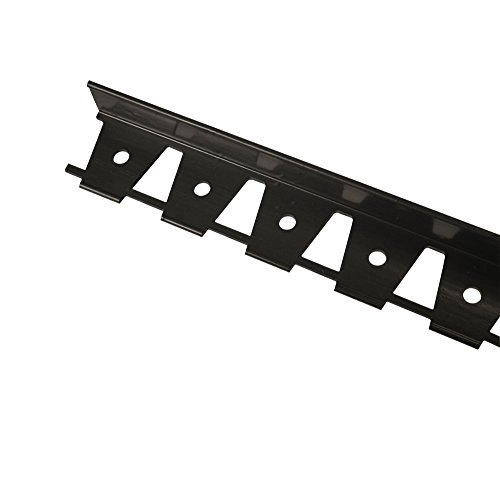
A paver patio is only as good as its base. Proper excavation, a compacted gravel sub-base, and a level bedding layer are non-negotiable for long-term stability. The base depth depends on your climate and soil: colder regions with freeze-thaw cycles require deeper, well-draining aggregate. Edge restraints hold the pavers in place and prevent lateral spreading. For DIY installers, the process is manageable but labor-intensive — accurate grading and compaction are the most common failure points. Professional installation ensures proper drainage slope, correct compaction equipment, and clean cuts around obstacles.
Permeable paver systems require an open-graded base and careful attention to water flow. If you are building near a pool or water feature, plan the patio edge to direct runoff away from the structure. Our patio water features guide covers how to integrate water elements without compromising drainage.
Design Ideas for Paver Patios
Paver patios can be as simple or as layered as you like. A single material in a classic pattern creates a calm, cohesive foundation. Mixing two paver types — for example, a field of concrete pavers bordered by brick — adds visual depth without overwhelming the space. Consider using pavers to define zones: a circular dining area, a straight path to the lawn, or a curved lounge border. Lighting is another layer: recessed paver lights or low-voltage path lights extend evening usability. Plantings that spill over the patio edge soften the hardscape and connect it to the garden.
For a deeper dive into complementary styles, browse our patio styles collection and see how paver surfaces pair with different furniture and decor themes.
Maintenance & Long-Term Care
Paver patios are relatively low-maintenance, but a few routine steps keep them looking sharp. Sweep regularly to prevent debris from settling in joints. Re-sand joints as needed with polymeric sand to deter weeds and stabilize the surface. Periodically rinse with a garden hose; for tougher stains, use a pH-neutral cleaner safe for the specific paver material. Sealers can enhance color and resistance, but they are optional and depend on the paver type — always test a small area first. In snowy climates, use a plastic shovel rather than metal to avoid scratching, and avoid harsh de-icing salts that can damage certain pavers.
Frequently Asked Questions
How long does a paver patio last?
With proper base preparation and routine maintenance, a paver patio can last several decades. Natural stone and high-grade porcelain tend to have the longest lifespans, while concrete and brick pavers also perform well when installed correctly.
Can I install a paver patio myself?
Yes, many homeowners install paver patios as a DIY project. The critical steps are excavation, a compacted base, and correct grading for drainage. Renting a plate compactor and planning for the physical labor involved are essential for a durable result.
Are paver patios slippery when wet?
Most pavers have a textured finish that provides decent traction. Travertine and certain natural stones are naturally slip-resistant, while smooth porcelain may require a textured or bush-hammered finish for wet areas such as pool decks.
How do I prevent weeds between pavers?
Polymeric sand in the joints is the most effective barrier. Keeping joints filled and sweeping regularly also discourages weed growth. Avoid organic debris buildup, which creates a seedbed.
Do paver patios need a concrete base?
Not always. Many paver patios are installed over a compacted gravel base with a sand or fine-gravel bedding layer. Some applications, such as elevated patios or certain porcelain installations, may use a concrete base or adhesive system. The right method depends on the paver type, climate, and site conditions.