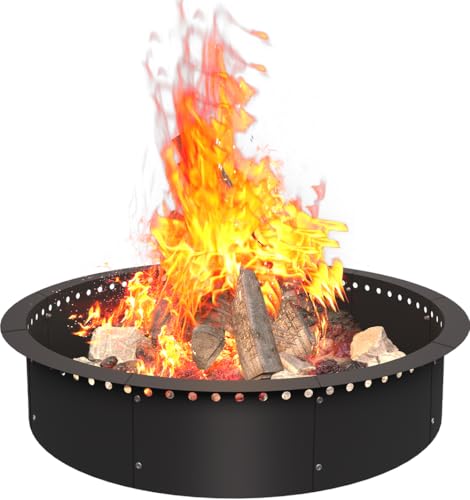
Paver Fire Pit: The Complete Buying & Design Guide
Everything you need to choose, plan, and enjoy a paver fire pit — from material selection and sizing to safety clearance and fuel options.
Why a paver fire pit deserves your attention: A fire pit is more than a heat source — it becomes the social anchor of your backyard. Paver-built pits pair structural durability with design flexibility, letting you match the look of your paver patio or patio stone surface while creating a natural gathering point. This guide walks you through the decisions that matter so you can buy and build with confidence.
What Exactly Is a Paver Fire Pit?
A paver fire pit is a fire feature constructed from paving stones — typically interlocking concrete pavers, natural stone, or fire-rated brick — arranged in a circular, square, or rectangular ring. Unlike a simple metal bowl, the paver structure acts as a permanent (or semi-permanent) anchor that contains the fire, frames the seating area, and ties visually into your hardscape. Many homeowners pair a paver pit with a patio wall or low seat wall to define the zone.
You will encounter two main categories: pre-packaged paver fire pit kits (which include the stones, a steel or refractory liner, and sometimes a burner insert) and custom builds where a mason stacks pavers around a fire ring. Kits are the most approachable route for a weekend project, while custom builds allow greater size and shape control.
Design Benefits of a Paver Fire Pit
Visual Cohesion
Matching your fire pit to the surrounding pavers creates a unified hardscape that feels intentional rather than added on.
Heat Containment
A solid paver ring shields the fire from wind and keeps embers contained, improving both comfort and safety.
Durability
Quality pavers resist freeze-thaw cycles and UV fading, making them a long-term investment for outdoor living.
Seating Integration
The wide rim of a paver pit can double as a ledge for drinks, plates, or a resting spot when capped with stone.
Flexible Fuel Options
Many kits support wood, propane, or natural gas inserts, so you can adapt the pit to your lifestyle and local rules.
Property Value
A well-built fire pit zone is a desirable amenity that can enhance the perceived value of your outdoor space.
Choosing the Right Size and Shape
Size determines both the fire experience and the footprint you must reserve in your yard. As a general rule, allow a minimum of 36 inches of open space around the outside of the pit for seating clearance, and keep the fire opening proportionate to the number of people you expect to gather.
- Small (24–32 inch opening): Ideal for two to four people on a compact paver patio or balcony-adjacent deck. Entry-level kits often fit this range.
- Medium (36–44 inch opening): The most common choice for family backyards; comfortably seats four to six people.
- Large (48 inch and above): Suited to generous patios and entertaining zones; premium and commercial-grade kits typically populate this category.
Shape matters too. Circular pits promote conversation and distribute heat evenly. Square or rectangular pits align with the geometry of many paver patios and can be built against a patio wall for a built-in look. If your patio already includes a patio table with fire pit, confirm the pit insert dimensions before selecting a standalone unit to avoid redundancy.
Paver Material Comparison
Not all pavers tolerate heat equally. The material you choose affects longevity, maintenance, and the aesthetic match with your existing hardscape.
- Concrete pavers: The most widely available option. Modern concrete pavers are dense, consistent, and often engineered for heat exposure. They are the backbone of most mid-range kits.
- Natural stone (granite, sandstone, travertine): Premium appearance and excellent heat resistance when properly selected. Avoid softer stones that can spall or crack.
- Fire-rated brick: Traditional and reliable, especially for square or rectangular builds. Often used as an inner liner behind the visible paver ring.
- Retaining wall blocks: Many DIY builds repurpose paver stones and wall blocks for a chunky, textural look. Confirm heat rating before committing.
Market Tiers: What to Expect at Each Level
Rather than focusing on figures, it helps to understand how paver fire pit products are positioned in the market. The table below uses universal quality descriptors so you can compare offerings consistently.
| Tier | Typical Construction | Best For |
|---|---|---|
| Entry-Level | Standard concrete pavers, basic steel ring, minimal liner | First-time buyers and casual weekend use |
| Mid-Range | Denser pavers, refractory liner, refined edge detailing | Family backyards with regular entertaining |
| Premium | Natural stone or high-grade concrete, integrated burner options | Design-led patios and long-term installations |
| Luxury | Custom-cut stone, professional-grade liners, bespoke shapes | Landscape architecture projects and flagship outdoor rooms |
Within each tier, look for a rust-proof finish on metal components, a weather-resistant coating where applicable, and a liner that separates the fire from the paver faces. Mid-range kits usually offer a smoother assembly experience than entry-level ones, while premium and luxury tiers focus on material authenticity and refined proportions.
Wood-Burning vs. Gas Inserts
The fuel decision shapes how you use the pit day to day. Wood-burning pits deliver the classic crackle and aroma, but they demand ash cleanup, spark management, and dry storage for fuel. Gas and propane inserts light instantly, produce no ash, and offer adjustable flame height — a strong fit for patios where quick evening ambiance matters more than ritual.
Many paver kits are designed to accept an insert, so you can start with wood and upgrade to gas later. If you plan to add a gas line, involve a licensed professional early; the trenching and connection work should happen before the pit is assembled. For those comparing broader outdoor cooking setups, explore our pizza ovens and patio table with grill in the middle guides to keep the whole entertainment zone coherent.
Installation Essentials and Site Prep
A paver fire pit performs best on a stable, level base. Most kits recommend a compacted gravel or sand base, or a concrete pad for permanent builds. Follow this sequence for a reliable result:
- Check local codes: Setback requirements, burn bans, and HOA rules vary by municipality. Confirm before you buy.
- Mark the footprint: Use string and stakes to outline the pit plus a 3-foot safety perimeter.
- Prepare the base: Excavate, compact, and level. A slightly wider base than the pit improves stability.
- Assemble the ring: Stack pavers according to the kit plan, offsetting joints for strength. Install the liner as specified.
- Add the cap and insert: A stone cap improves the ledge and finish. Seat the burner or fire ring last.
If your pit will sit within a larger hardscape project, coordinate it with the layout described in our paver patios guide. A fire pit also pairs naturally with a water feature or a low patio wall to create a layered outdoor room.
Safety First
Maintain at least 10 feet of clearance from structures, fences, and overhanging branches. Keep a fire extinguisher or water source nearby. Never place a wood-burning pit on a wooden deck without a listed fireproof base. Children and pets should always be supervised around any open flame.
Frequently Asked Questions
What is a paver fire pit?
A paver fire pit is an outdoor fire feature built from interlocking or stacked paving stones. It can be a DIY kit or a custom-built structure, and it serves as a durable, heat-resistant ring that contains the fire while anchoring your patio design.
Do I need a professional to install a paver fire pit?
Many paver fire pit kits are designed for DIY installation and require only basic tools and a level surface. However, if your pit will sit on a new patio, involve a gas line, or require structural reinforcement, hiring a qualified landscaper or mason is recommended.
What materials work best for a paver fire pit?
Natural stone, concrete pavers, and fire-rated brick are the most common choices. Avoid softer stones that can crack under heat. Mid-range and premium paver kits often include heat-resistant liners that extend the life of the structure.
How far should a paver fire pit be from the house?
A general safety rule is at least 10 feet from any structure, low-hanging branches, or combustible materials. Always check local building codes, which may require more clearance depending on the fuel type and pit size.
Wood-burning or gas: which paver fire pit is right for me?
Wood-burning pits offer authentic crackle and aroma but require more maintenance and smoke management. Gas and propane inserts are cleaner and easier to control. Many paver kits include interchangeable burner options so you can choose based on your lifestyle.
Ready to Plan Your Paver Fire Pit?
Explore our curated selection of paver fire pit kits and inserts, compare tiers, and match your new fire feature to the rest of your outdoor space.
Explore Paver Fire Pit Options