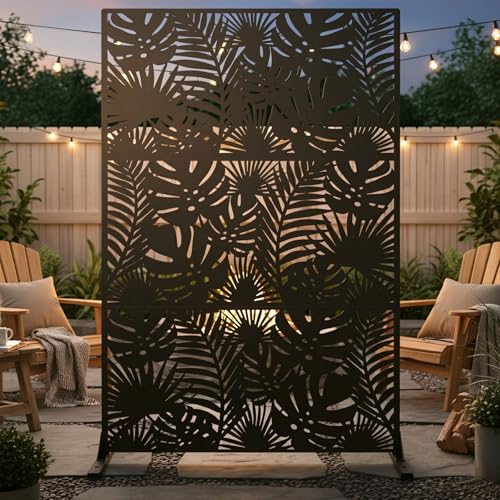
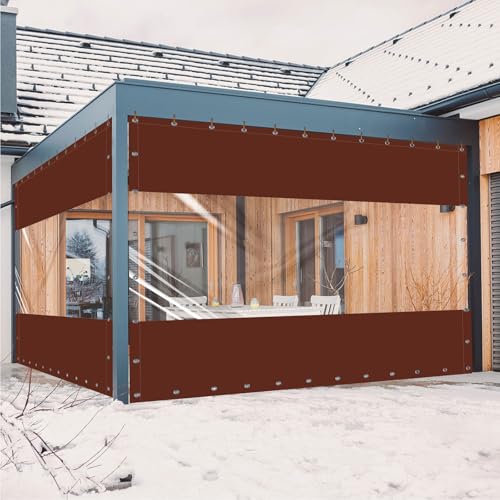
Why a patio wall matters: A well-designed patio wall does more than block sightlines. It defines your outdoor room, reduces noise, shields wind, supports climbing plants, and creates a backdrop for furniture and lighting. This guide walks you through the main wall categories, material choices, planning considerations, and styling ideas so you can choose a solution that fits your space, climate, and long-term goals.
Main Types of Patio Walls
Patio walls fall into several broad categories. Each serves a different primary purpose, from lightweight privacy screening to permanent structural separation. Understanding the distinctions helps you narrow the field before comparing materials and installation methods.
Privacy Focus
Privacy Screens
Freestanding or surface-mounted panels that block sightlines without full structural commitment. Often made from wood slats, composite, metal, or fabric. Ideal for renters and quick upgrades.
Structural
Masonry & Retaining Walls
Permanent stone, brick, or block walls that define property lines, manage slopes, and deliver maximum privacy. Require footings, drainage planning, and often permits.
Decorative
Accent & Feature Walls
Focal walls behind seating or dining areas. Often textured, painted, or clad in stone veneer. Primarily aesthetic, with partial privacy benefits depending on height.
Living
Green Walls & Trellises
Vertical gardens, trellises, and planted screens that soften hardscapes and add natural privacy over time. Require irrigation and seasonal care.
Hybrid
Planter-Box Walls
Integrated planter and screen systems that combine greenery with a physical barrier. Popular in compact patios where floor space is limited.
Flexible
Retractable & Modular Screens
Sliding panels, roller shades, and modular screen kits that adjust seasonally. A good fit for patios that need occasional privacy rather than constant enclosure.
If your main goal is wind protection and shade rather than full privacy, a lighter screen may pair well with a patio shade solution such as an awning or umbrella. For patios that already have a dining table setup, consider how the wall will frame the seating zone, especially when choosing a patio table set with complementary proportions.
Material Comparison
Material choice drives durability, maintenance, appearance, and installation complexity. The table below compares the most common patio wall materials using neutral market tiers rather than specific figures. Use it to match a material to your climate and commitment level.
Material
Market Tier
Best For
Key Considerations
Wood & Timber
Mid-range
Warm, natural aesthetics; DIY-friendly builds
Requires sealing and periodic staining; susceptible to moisture and insects without treatment
Composite Panels
Premium
Low-maintenance privacy with wood-like appearance
Resists rot and fading; color options are fixed at purchase
Metal Screens (aluminum, steel)
Mid-range to premium
Modern designs with airflow and partial visibility
Requires footings, permits, and professional installation for tall walls
Concrete Block
Mid-range
Structural walls and budget-conscious masonry
Can be rendered, painted, or clad; heavy and permanent
Vinyl & PVC
Entry-level to mid-range
Quick privacy with minimal upkeep
Limited design flexibility; can become brittle in extreme cold
Fabric & Shade Cloth
Entry-level
Temporary or seasonal privacy
Lightweight and removable; lifespan depends on UV resistance
Editorial note: Composite and powder-coated metal systems tend to be the most efficient in the long run for homeowners who want privacy without annual upkeep. Wood remains the most flexible for custom builds, while masonry is the strongest choice when the wall must also retain soil or define a property boundary.
When the wall will sit beside a hardscape such as paver patios or a patio stone surface, match the wall material to the ground plane so the two read as a single design. A low stone wall paired with a dining area works especially well when the table is a patio table and chairs set with a similar natural palette.
Planning & Placement
Before choosing a wall style, decide what problem it solves. The placement, height, and orientation of the wall determine whether it feels like an asset or an obstacle. Use the checklist below as a starting framework.
Define the Purpose
Privacy from neighbors: Prioritize height and opacity. A solid screen or masonry wall works best.
Wind reduction: Choose a partially permeable screen so airflow continues without turbulence.
Noise buffering: Masonry and dense composite panels outperform open slats.
Visual backdrop: A decorative feature wall behind seating adds depth without full enclosure.
Property definition: A retaining or boundary wall clarifies the edge of your lot.
Check Local Rules First
Height limits, setback requirements, and permit thresholds vary widely by jurisdiction and homeowner association. Confirm these before ordering materials. A wall that exceeds the allowed height may need to be reduced or relocated, which is far easier to plan for upfront than to correct after installation.
Consider Sun and Prevailing Wind
Observe how sunlight moves across the patio during the day. A tall wall on the south or west side can create welcome afternoon shade, but it can also block winter warmth. In windy regions, orient a permeable screen perpendicular to the prevailing wind rather than directly facing it, which reduces pressure on the structure.
Plan for Drainage
Water must move away from the wall and the patio. Retaining walls need weep holes or drainage aggregate behind them. Solid privacy walls should sit on a base that sheds water rather than trapping it at the footing. Poor drainage is the most common cause of premature wall failure.
Pro tip: If your patio includes a patio swing with canopy or a pergola kit, place the wall behind the structure rather than beside it. This frames the seating zone and avoids crowding the footprint.
Decorating a Patio Wall
A blank wall is an opportunity. With weather-resistant materials and secure anchoring, a patio wall can carry art, greenery, lighting, and functional storage without looking cluttered. Choose one dominant treatment and let the rest support it.
Ideas That Work in Real Patios
Vertical gardens: Wall-mounted planters and pocket systems add greenery and soften hard surfaces. Pair with a simple irrigation line for consistency.
Outdoor art: Metal sculptures, weatherproof canvases, and ceramic tiles bring color. Anchor heavy pieces into studs or masonry anchors, not just the surface finish.
Trellises and climbing plants: A trellis adds structure and privacy as vines fill in. Choose species suited to your climate and maintain them away from siding.
Mirrors: A large outdoor-rated mirror can make a small patio feel larger by reflecting light and greenery. Mount it under cover where possible.
Lighting: Wall sconces, string lights, and uplights extend evening use. Combine ambient and task lighting for a layered effect.
Shelving and hooks: A narrow shelf or a row of hooks holds lanterns, small planters, or serving items during gatherings.
Keep the wall's purpose in view while decorating. If the wall provides privacy, avoid heavy plantings that block airflow and trap moisture. If it is a feature wall, treat it as a backdrop and keep the foreground seating simple, such as a patio sofa or a pair of lounge chairs with clear sightlines to the wall.
Balance tip: A wall with strong texture (stone, slats, or brick) needs fewer decorations. A smooth rendered or painted wall can carry more art and color without feeling busy.
Maintenance & Longevity
Every wall material has a maintenance rhythm. Following it protects your investment and keeps the wall looking intentional rather than neglected.
Wood: Clean annually, inspect for rot and insect damage, and reseal every one to three years depending on climate.
Composite: Wash with mild soap and water. Avoid abrasive cleaners that dull the surface finish.
Metal: Rinse periodically to remove salt and debris. Touch up powder coating chips to prevent corrosion.
Masonry: Inspect mortar joints annually, repoint as needed, and keep weep holes clear.
Vinyl: Wipe down seasonally and check fasteners after storms.
Fabric screens: Remove and clean according to the manufacturer's guidance; store during harsh seasons.
Pair wall maintenance with a broader seasonal routine. The same schedule that covers your wall should include cleaning and storing furniture cushions, checking patio umbrella bases for stability, and inspecting patio table covers for wear. A wall that is inspected alongside the rest of the patio is far less likely to develop hidden structural problems.
Frequently Asked Questions
What is the best material for a patio privacy wall?
The best material depends on your goals. Wood offers warmth and natural texture, composite panels deliver low maintenance and weather resistance, metal screens provide modern aesthetics with airflow, and stone or brick create permanent structural walls with maximum privacy and durability.
How tall should a patio privacy wall be?
Most privacy walls are between 6 and 8 feet tall to block sightlines from neighbors and the street. Always verify local height restrictions and homeowner association rules before building, as many jurisdictions cap residential fence and wall heights.
Do patio walls need a foundation or footing?
Freestanding privacy screens often use surface-mounted or weighted bases, while structural masonry walls and tall wooden fences require poured concrete footings below the frost line. Heavier and taller structures demand more substantial foundations for stability and wind resistance.
Can a patio wall double as a retaining wall?
Yes, retaining walls on sloped properties can serve both structural and privacy purposes. However, retaining walls must be engineered to handle soil pressure and drainage. Consult a professional for walls above a certain height or on unstable soil.
How do I decorate a plain patio wall?
Consider outdoor art, vertical gardens, trellises with climbing plants, wall-mounted planters, decorative lighting, mirrors, or textured panels. Choose weather-resistant materials and anchor everything securely to withstand wind and moisture.
Recommended Patio Wall Products
⚠️ AFFILIATE DISCLOSURE: This website contains affiliate links. As an Amazon Associate, we earn from qualifying purchases. If you make a purchase through these links, we may receive a small commission at no additional cost to you.
Read our full affiliate policy.
Biggun 24oz Outdoor Vinyl Curtains for Winter Patio Waterproof, 8x10ft | Heavy Duty Porch Enclosure with Brass Grommet, Clear PVC Screen Panels Wind Blocker, for Outside Porch Balcony Pergola Gazebo
⚠️ Note: The purchase links above are affiliate links. As an Amazon Associate, we earn from qualifying purchases at no additional cost to you.
Privacy Screen for Patio, Outdoor Freestanding Metal Privacy Wall, 72" Tall | 4-Point Anchoring for Wind, Rust-Resistant Steel, Easy Install, Ideal for Balcony Deck Pool and Backyard
⚠️ Note: The purchase links above are affiliate links. As an Amazon Associate, we earn from qualifying purchases at no additional cost to you.
6FT Outdoor Metal Privacy Screen – Decorative Privacy Fence and Room/Garden Divider, Weather-Resistant Freestanding Panel with Stand, Durable Steel for Patio, Garden, Balcony, or Backyard
⚠️ Note: The purchase links above are affiliate links. As an Amazon Associate, we earn from qualifying purchases at no additional cost to you.
Disclaimer
The information provided on PatioFocus is for educational and informational purposes only. We are not professional landscapers or contractors, and our content should not replace professional advice. Always consult with a qualified expert regarding structural, safety, or weather-related concerns. Some content may use AI assistance. Always check product warranties and safety standards before purchasing. If you do not agree, please do not use this website.
Read the full disclaimer.
We use cookies to provide you with a better browsing experience. By continuing to use our site, you consent to our cookie settings.
Learn more