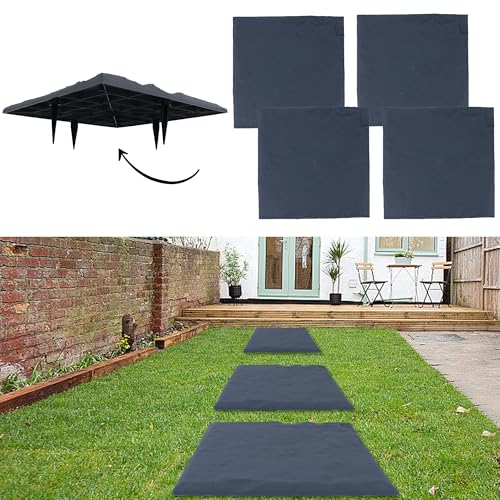
Paver Stones: The Complete Guide
From concrete to natural stone, find the perfect pavers for your patio, walkway, or driveway. Compare types, costs, and installation tips to make a confident choice.
Explore Paver Types →Paver stones are one of the most versatile and durable outdoor flooring options. Whether you're designing a new patio, refreshing a walkway, or building a driveway, pavers offer unmatched aesthetic flexibility, strength, and long-term value. Unlike poured concrete, pavers are interlocking, allowing natural movement and easy repair. They also come in a wide range of colors, shapes, and textures to complement any architectural style.
Why choose pavers? They are slip-resistant, low-maintenance, and can increase your home's curb appeal. With proper installation, a paver patio can last 25–50 years. Plus, they are eco-friendly—permeable options allow water to drain naturally, reducing runoff.
Types of Paver Stones
Each material brings distinct benefits. Here’s a breakdown of the most popular paver types to help you decide which is right for your project.
🧱 Concrete Pavers
The most economical and widely available option. Available in countless colors, textures, and shapes. Great for patios, driveways, and walkways.
- Durable and strong
- Low maintenance
- Easy to replace
🧱 Brick Pavers
Classic, timeless appeal. Made from clay, brick pavers offer rich, warm tones and excellent durability. Perfect for traditional homes and historical districts.
- High compressive strength
- Fade-resistant colors
- Requires occasional sealing
🪨 Natural Stone Pavers
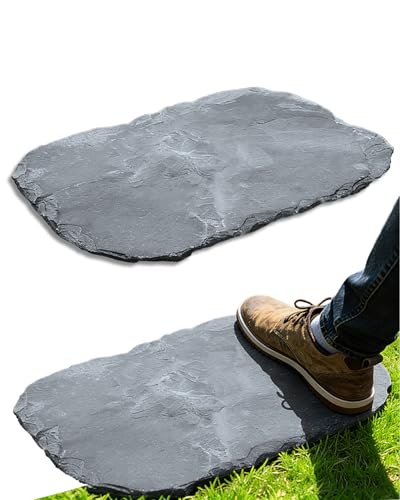
Premium option including granite, limestone, bluestone, and travertine. Each piece is unique, offering luxury and natural beauty. Ideal for high-end patios and pool decks.
- Unique, organic look
- Extremely durable
- Requires professional installation
💧 Permeable Pavers
Eco-friendly solution that allows water to pass through, reducing runoff and recharging groundwater. Great for sustainable landscaping and areas with drainage concerns.
- Reduces stormwater runoff
- Meets environmental regulations
- Available in concrete & stone
Paver Comparison at a Glance
| Material | Cost (per sq ft) | Durability | Maintenance | Best For |
|---|---|---|---|---|
| Concrete | $4–$15 | High | Low | Patios, driveways |
| Brick | $10–$20 | Very High | Medium | Walkways, entryways |
| Natural Stone | $15–$30+ | High | Medium | Pool decks, luxury patios |
| Permeable | $8–$25 | High | Low | Eco-friendly projects |
Installation & Cost Considerations
💡 Pro Tip: The total cost of a paver project includes materials, base materials (gravel, sand), and labor. On average, professional installation adds $10–$20 per square foot. For a 200 sq ft patio, expect total costs between $2,800 and $7,000 depending on material choice.
Proper installation is key to longevity. The standard process involves excavating the area, laying a compacted gravel base, adding a sand layer, placing the pavers, and filling joints with sand or polymeric sand. For DIYers, renting a plate compactor is highly recommended to achieve a stable, level surface. Always check local building codes and call utility lines before digging.
Design Ideas & Pairings
Paver stones work beautifully with a variety of outdoor furniture and structures. Pair a classic brick patio with a teak outdoor dining table for a timeless look, or combine modern concrete pavers with a sleek cast aluminum patio furniture set. For cozy evenings, a propane fire table becomes the perfect focal point on a stone paver patio.
If you're designing a poolside retreat, consider natural stone pavers for their slip-resistant texture and elegant appearance. Add comfortable in-pool lounge chairs for the ultimate relaxation. For smaller spaces, a patio side table and a bistro chairs set can turn a simple walkway into a charming coffee nook.
For driveways and high-traffic areas, choose durable concrete pavers and complement them with outdoor conversation sets to create inviting seating zones. And don't forget lighting—umbrella stands with built-in solar lights can add ambiance to your new paver patio.
Frequently Asked Questions
Are paver stones better than poured concrete?
Pavers offer greater flexibility, easier repair, and a wider range of design options. They are less prone to cracking and can be individually replaced if damaged. However, concrete is generally cheaper and faster to install.
How long do paver stones last?
With proper installation and maintenance, concrete and brick pavers can last 25–50 years. Natural stone pavers can last even longer—50+ years is common.
Do I need to seal my pavers?
Sealing is optional but recommended for natural stone and brick to protect against stains and weathering. Concrete pavers benefit from sealing to enhance color and prevent efflorescence.
Ready to Start Your Paver Project?
Browse top-rated paver stones and outdoor essentials below. We've curated the best options to help you build the outdoor space you've always wanted.
Shop Paver Products →