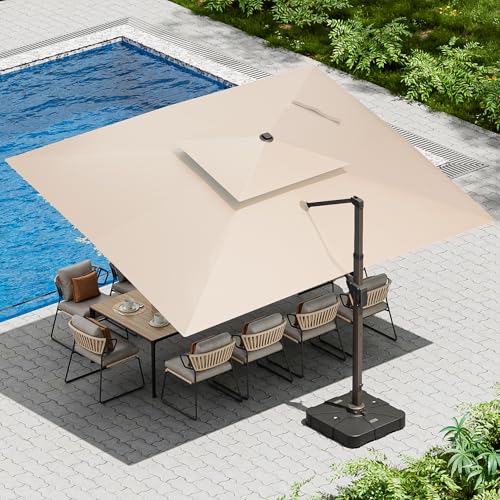
Patio Umbrella with Weighted Base Included: The Complete Buyer's Guide
Everything you need to know before choosing a bundled umbrella and ballast base: canopy fabrics, pole sizing, stability, and long-term care for a shade setup that stays put.
Why this guide matters: A patio umbrella with weighted base included removes the guesswork of matching a canopy to a stand. But not all bundles are equal. This guide explains how the components work together, which specifications actually affect stability, and how to care for both pieces so your shade lasts season after season.
What Does "Weighted Base Included" Actually Mean?
A bundled outdoor umbrella pairs a canopy and frame with a ballast base that ships in the same box. The base can be a solid metal plate, a resin shell you fill with water or sand, or a combination plate-and-shell design. The key distinction is that the base is engineered to match the canopy size and pole diameter in that specific package, so the seller has already done the compatibility work for you.
This matters because a mismatched stand is the most common reason umbrellas tip. When the base and canopy come from the same manufacturer, the ballast rating, pole collar, and wind considerations are designed as one system. That said, "included" does not automatically mean "sufficient for every location." You still need to match the bundle to your table, your patio surface, and your local wind patterns.
If you are building shade around a dining table, it helps to understand how the umbrella interacts with the table itself. Review our notes on a patio side table with hole for umbrella and the broader patio shade options so the umbrella and furniture work as a unit rather than fighting each other.
Anatomy of a Bundled Umbrella Setup
Understanding the four core components helps you evaluate any listing quickly:
- Canopy: The fabric top. Common materials include solution-dyed polyester, acrylic, and olefin. Solution-dyed fabrics resist fading because the color runs through the fiber rather than sitting on the surface.
- Frame and ribs: Aluminum is lightweight and rust-resistant; steel is heavier and sturdier. Rib count (six, eight, or more) affects wind performance and canopy tautness.
- Pole: The shaft that connects canopy to base. Diameter and wall thickness determine how much flex the umbrella has in a breeze.
- Weighted base: The ballast. Plate bases rely on raw weight; fillable bases rely on water or sand inside a shell. Some designs combine both for a lower center of gravity.
A well-designed bundle balances all four. A heavy base paired with a flimsy pole still flexes; a rigid pole with an undersized base still tips. Look for listings that specify the recommended ballast weight for the canopy size, because that number tells you whether the bundle was engineered as a system.
Main Types of Umbrella-and-Base Bundles
There are three broad configurations you will encounter. Each suits a different patio layout and wind exposure.
Market Umbrella with Plate Base
The classic center-pole design with a solid or fillable base that sits under the table or beside it. Best for dining tables with an umbrella hole and sheltered patios.
Cantilever with Offset Base
The canopy extends from a side arm, and the base sits off to one side, often with wheels. Best for lounging areas where a center pole would block sightlines.
Free-Standing with Fillable Base
A standalone umbrella and base designed to move around the yard. Best for lawns, decks, and poolside spots where you want flexibility without a table.
If your layout revolves around seating rather than dining, a free-standing or cantilever bundle is often more practical. If your table already has a hole, a center-pole bundle is the simplest path. Our overview of patio umbrella bases explains how ballast choices differ between these configurations.
How to Evaluate Stability Before You Buy
Stability is the single most important factor in a bundled setup, and it comes down to a handful of measurable details.
- Ballast weight relative to canopy size: Larger canopies catch more wind and need proportionally heavier ballast. A bundle that includes a base rated for a 9-foot canopy should not be paired with an 11-foot canopy.
- Base footprint: A wider base spreads load across the patio surface. Narrow bases concentrate weight and can crack pavers or sink into soft ground.
- Pole diameter and wall thickness: Thicker poles with reinforced walls flex less. If your patio is exposed, favor a bundle with a heavier-gauge pole.
- Rib count and hub design: More ribs generally mean a tauter canopy and better wind resistance. A reinforced hub at the top of the pole reduces stress points.
- Ventilation: A wind vent or vented canopy lets gusts pass through instead of lifting the umbrella. This is a key feature for exposed decks.
If wind is a recurring concern, our guide to a patio umbrella that won't blow over goes deeper into anchoring strategies. For heavier-duty needs, compare the options in our heavy-duty patio umbrella roundup.
Umbrella Bundles by Market Tier
Instead of focusing on numbers, think in terms of tier. The table below maps each tier to the features and use cases it typically serves.
| Tier | Typical Construction | Best For | What to Expect |
|---|---|---|---|
| Entry-level | Polyester canopy, aluminum pole, fillable resin base | Occasional use, covered patios, small balconies | Solid choice for the tier; base must be filled before use |
| Mid-range | Solution-dyed canopy, heavier aluminum or steel pole, combination plate-and-fill base | Everyday dining, moderate wind exposure | Better fabric fade resistance and a more stable base footprint |
| Premium | Acrylic canopy, reinforced ribs, weighted plate base with locking collar | Exposed decks, frequent use, long-term installations | Feature-rich for its class; smoother crank and tilt mechanisms |
| Luxury | Marine-grade hardware, high-density fabric, integrated ballast system | Full-sun locations, large dining areas, hospitality settings | Flagship-tier durability with the most refined hardware |
Mid-range bundles usually offer the best balance for most homes: the fabric resists fading noticeably better than entry-level options, and the base is more likely to include a combination of plate weight and fillable ballast. If your patio faces open sky or a windy corridor, the premium tier is a worthwhile investment because the reinforced ribs and locking collar reduce long-term wear.
Pole Sizing and Table Compatibility
Pole diameter is where many buyers get tripped up. Market umbrellas commonly use a 1.5-inch or 2-inch pole, while cantilever models may use larger shafts. Before ordering a bundle, measure the umbrella hole in your table. A 2-inch pole will not fit a table drilled for 1.5 inches, and a loose fit causes wobble that accelerates wear.
If you are shopping for a table to pair with your bundle, our guide to a patio table with 2-inch umbrella hole explains how to match hole size to pole. You can also review patio table umbrella pairings and the broader patio umbrellas category to see how different canopy shapes fit different table footprints.
For side-table placement, a smaller bundle works well alongside a patio side table, while larger dining setups may benefit from checking a patio table for 6 with umbrella hole to confirm the pole clears the chair backs.
Weighted Base Types Compared
The base is the heart of any bundled setup. Here is how the common types compare.
- Solid plate base: A single cast-metal or steel plate. No filling required, immediately ready to use, and the lowest maintenance option. Heavier to move and typically the most stable per unit of footprint.
- Fillable resin base: A hollow shell you fill with water or sand. Lightweight to ship and easy to reposition when empty. Water is convenient but freezes in cold climates; sand is denser and more stable but harder to empty.
- Combination plate-and-fill base: A metal plate inside a fillable shell. Combines a low center of gravity with adjustable ballast. The most flexible choice for changing seasons and wind conditions.
- Offset cantilever base: Often a wheeled platform with fillable compartments. Designed to counterbalance the canopy arm. Requires careful placement on level ground.
Whatever the type, check the recommended fill level and follow it. An under-filled base is the most common cause of tipping, and it is entirely preventable. For a deeper comparison of sizes and fittings, see our guide to patio umbrella base for 2-inch pole.
Canopy Fabric, Fade Resistance, and Care
Fabric quality determines how your umbrella looks after a few seasons. Solution-dyed polyester and acrylic are the two most common premium choices. Both resist fading better than piece-dyed fabric because the pigment is integrated into the fiber. Olefin is a practical middle ground with good moisture resistance.
Care is straightforward but consistent effort pays off:
- Rinse the canopy with mild soap and water, then let it dry fully before closing.
- Close the umbrella during high winds and storms, even with a weighted base.
- Check the base for cracks or water pooling, especially after freezing temperatures.
- Tighten the pole collar and base bolts periodically to prevent wobble.
- Store the canopy closed and covered during the off-season.
For setups that stay out year-round, review our broader outdoor care resources and the weatherproofing guide for seasonal maintenance schedules.
Placement and Layout Tips
Where you place the bundle matters as much as what you buy. A few practical guidelines:
- Place the base on a level, solid surface. Soft ground or gravel concentrates load and causes sinking.
- Keep the canopy clear of walls, fences, and tree branches so wind can pass through rather than buffet the fabric.
- Position the umbrella so the shade falls over seating rather than over the table center, especially in the afternoon.
- If using a cantilever base, ensure the arm swings freely without striking furniture.
If your layout is still taking shape, browse patio styles and the patio sets category to see how shade fits into complete outdoor rooms. For full outdoor rooms, a patio sofa set paired with a cantilever bundle creates a comfortable lounging zone without a center pole in the way.
Pre-Purchase Checklist
- Measure your table's umbrella hole and confirm it matches the pole diameter.
- Check the recommended ballast weight for the canopy size in the listing.
- Confirm whether the base is solid, fillable, or combination, and whether fill material is included.
- Verify the canopy fabric type and whether it is solution-dyed or acrylic.
- Look for wind vents, reinforced ribs, and a locking pole collar.
- Consider your local wind exposure and whether a heavier tier is warranted.
- Plan storage space for the off-season.
Frequently Asked Questions
What is a patio umbrella with weighted base included?
It is a bundled outdoor shade product that pairs a canopy and frame with a matching ballast base in one package. The included base is designed to hold the pole steady against wind uplift, so you do not need to source a separate stand.
How heavy should the weighted base be?
A base should generally weigh a meaningful fraction of the canopy's wind load, and many manufacturers recommend a heavier ballast for larger canopies or exposed locations. Always follow the maker's minimum ballast rating for your canopy size rather than guessing.
What pole diameter should I look for?
Market umbrellas commonly use a 1.5-inch or 2-inch pole, while heavier cantilever models may use larger diameters. Measure your table's umbrella hole and confirm it matches the pole before ordering.
Can a weighted-base umbrella stay out in strong wind?
Most residential umbrellas should be closed and secured during high winds. Even with a weighted base, a canopy acts like a sail and can topple in gusts, so always review the wind rating and close the umbrella when storms approach.
How do I maintain an umbrella and base?
Rinse the canopy with mild soap and water, let it dry fully before storing, check the base for cracks or water pooling, and tighten the pole collar periodically. Store the umbrella closed and covered during off-season months.
Ready to Compare Bundled Umbrella Options?
Explore related buying guides and product roundups to find the right shade setup for your patio.