Plastic Bench Guide: Durable, Low-Maintenance Outdoor Seating
A plastic bench is one of the most practical seating choices for patios, gardens, porches, and picnic areas. This guide explains the materials, build quality, styles, and care routines that help you choose the right bench for your outdoor space.
Explore Buying FactorsWhy a plastic bench deserves your attention: Modern resin and high-density polyethylene benches resist moisture, insects, and fading far better than many traditional materials. They suit year-round outdoor exposure, need minimal upkeep, and work in both residential and community settings. This page walks you through the details that matter before you commit to a model.
What Is a Plastic Bench and Who Is It For?
A plastic bench is an outdoor seating unit molded or assembled from resin-based materials such as high-density polyethylene (HDPE), polypropylene, or PVC. These benches are typically designed for gardens, patios, decks, porches, parks, and picnic areas. The core appeal is straightforward: the material does not absorb water, does not rot, and is not attractive to termites or other wood-boring insects.
This type of seating appeals to a wide range of buyers. Homeowners who want a dependable bench without a demanding maintenance schedule are a natural fit. Families with children appreciate the smooth edges and easy-to-clean surfaces. Community managers and facility operators often choose plastic benches because they survive heavy use and weather exposure with minimal intervention. If you are furnishing a patio style that favors practicality, a resin bench integrates easily.
Plastic benches also work well as secondary seating. A bench near a patio table setup can expand seating capacity during gatherings. In garden areas, a bench placed beside planter boxes creates a natural resting spot. And on small decks, a compact bench can double as both seating and a visual anchor for the layout.
Plastic Bench Materials and Construction
Not all plastic benches are equal. The material grade and the way the bench is built determine how it performs over years of sun, rain, and temperature swings. Understanding the main material families helps you evaluate a product listing or an in-store display with more confidence.
High-Density Polyethylene (HDPE)
HDPE is the benchmark material for durable outdoor benches. It is dense, UV-stabilized in quality formulations, and resistant to moisture absorption. Premium HDPE benches often use colored material throughout rather than a surface coating, which means scratches are less visible. Many top-tier resin benches use HDPE, and the material is also common in plastic outdoor furniture lines that are designed to look like painted wood.
Polypropylene
Polypropylene is lighter and more rigid than HDPE. It is common in entry-level and mid-range benches, especially folding or stackable designs. It handles moisture well but can become brittle in extreme cold if the formulation is not properly stabilized. For mild climates and seasonal use, polypropylene benches are a solid choice.
PVC and Vinyl
PVC benches are typically hollow or reinforced with internal framing. They are easy to clean and resist moisture effectively. The trade-off is that thin PVC can crack under impact, so build quality matters. Mid-range and premium PVC benches use thicker walls and reinforced joints to improve longevity.
Recycled Plastic
Recycled plastic benches are made from post-consumer or post-industrial plastic waste. They offer strong environmental appeal and, in high-grade formulations, perform comparably to virgin HDPE. A recycled plastic bench can be a practical long-term investment while supporting sustainable manufacturing. If this matters to you, explore broader plastic and resin material options before deciding.
Key Buying Factors for Plastic Benches
When you compare models, focus on the factors that directly affect comfort, durability, and fit with your space. The points below are the same ones that separate an entry-level bench from a high-end tier model.
Entry-Level Tier
Basic polypropylene or thin resin construction. Suitable for light seasonal use, temporary seating, and occasional placement. Expect simpler hardware and fewer reinforced joints.
Mid-Range Tier
Thicker resin walls, UV-stabilized material, and sturdier fasteners. A balanced choice for year-round residential use on patios, porches, and decks.
Premium Tier
High-density polyethylene, color-through construction, reinforced framing, and refined finishes. Designed for heavy use and long-term outdoor exposure.
Durability and Weather Resistance
Look for UV stabilization in the product description. Without it, a bench can fade and chalk over time. Also check whether the bench uses stainless steel or coated hardware; this detail matters because ordinary metal fasteners can corrode even when the bench body itself is weather-resistant. Premium models often advertise rust-proof finishes and reinforced stress points. A convertible plastic bench design, for example, benefits from robust hinges and locking mechanisms that need to withstand repeated use.
Weight Capacity and Structural Design
Plastic benches vary widely in load rating. A bench with a single molded shell may flex under concentrated weight, while a bench with internal ribs or a metal subframe distributes load more effectively. Check the stated weight capacity and look for design features such as cross-bracing, wide feet, and thick legs. Commercial-grade benches generally specify higher capacities and are tested for public use.
Size, Shape, and Seating Comfort
Bench length should match the available space and the number of people you expect to seat. A two-seat bench suits a small porch; a longer bench works along a garden path or patio edge. Seat depth and backrest angle affect comfort, especially for extended sitting. Contoured seats and slightly reclined backrests are common in mid-tier and premium models. If you are planning seating around a dining area, compare bench dimensions with your patio table and chairs layout to avoid crowding.
Style and Finish
Plastic benches are available in classic slatted designs, Adirondack-inspired profiles, modern minimalist forms, and even wood-grain finishes. A bench with a wood-look finish can soften the appearance of a synthetic material and blend with natural surroundings. Color choice also matters: lighter tones tend to stay cooler in direct sun, while darker tones absorb more heat. Coordinate the bench with your overall outdoor palette and, where relevant, with other seating such as plastic outdoor chairs.
Plastic Bench Types and Common Use Cases
The category covers several distinct product types. Matching the type to your use case prevents disappointment later.
| Bench Type | Best For | Notable Traits |
|---|---|---|
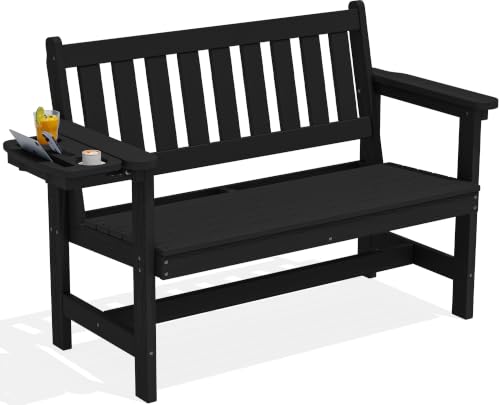
| Standard garden bench | Garden borders, lawns, patios | Classic slatted seat and back, fixed legs |
| Convertible picnic bench | Picnic areas, family patios | Transforms between bench and picnic table configurations |
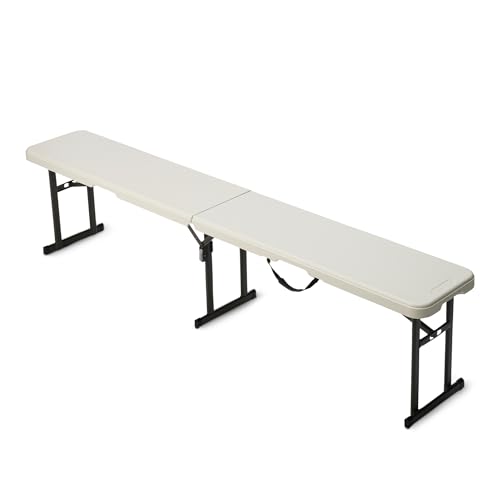
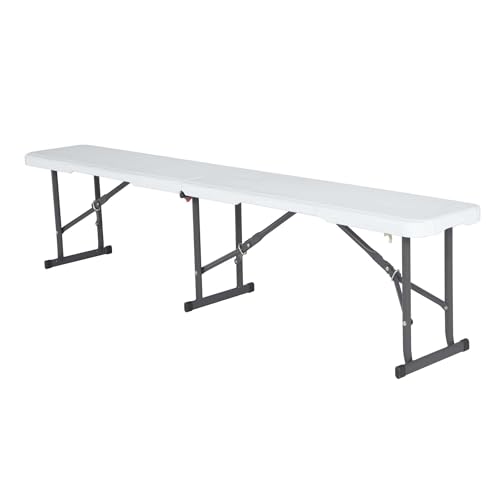
| Folding bench | Balconies, small patios, temporary events | Compact storage, lightweight handling |
| Storage bench | Porches, entryways, poolside | Integrated compartment for cushions and tools |
| Backless bench | Garden paths, foot-of-bed placement outdoors | Minimal footprint, flexible positioning |
| Commercial-grade bench | Parks, campuses, public spaces | Reinforced frame, higher load rating, tamper-resistant hardware |
A convertible model is especially practical for households that host outdoor meals. If you like the idea of a bench that adapts to different occasions, review the details of a plastic bench that turns into a picnic table before deciding. For storage-focused needs, a patio storage bench offers a similar seating footprint with added utility.
Plastic Bench vs Other Outdoor Bench Materials
Comparing materials helps you set realistic expectations. Wood benches offer warmth and tradition but require sealing, staining, and periodic inspection. Metal benches are strong and sleek but can heat up in sun and may rust at joints if the finish is compromised. Plastic and resin benches trade some of that traditional character for weather resistance, low maintenance, and consistent performance.
For many buyers, the deciding factor is upkeep. A plastic bench can be rinsed with a hose and wiped down, with no annual sealing required. If your outdoor space is exposed to frequent rain or coastal humidity, this advantage compounds over time. The trade-off is that very lightweight plastic benches can feel less substantial than wood or metal. Choosing a mid-range or premium model with thicker material and reinforced construction addresses that concern.
Maintenance and Care for a Plastic Bench
Plastic benches are low-maintenance, but a simple routine keeps them looking good and extends service life.
- Rinse with a garden hose to remove loose dirt and pollen.
- Wash with mild soap and water using a soft brush or cloth.
- Avoid abrasive pads and harsh solvents that can dull the surface.
- Check fasteners and joints at the start of each season and tighten as needed.
- Store folding benches indoors or under cover during extended off-season periods.
- Position the bench on a level surface to reduce stress on the legs and frame.
For stubborn marks, a diluted all-purpose cleaner is usually sufficient. If the bench has metal components, inspect them for early signs of corrosion and treat them promptly. A cover during long periods of disuse is a sensible extra step, similar to the approach recommended for other plastic outdoor furniture pieces.
Placement Ideas for Plastic Benches
A bench is more than a seat; it shapes how a space is used. Place one along a garden border to create a viewing point. Position a bench near a patio side table so drinks and small items have a landing spot. In dining areas, a bench along one side of a patio table and chairs arrangement can increase seating without adding visual clutter. On a porch, a bench facing the street or garden invites conversation and quiet moments.
Consider the sun path when you place the bench. A spot with afternoon shade is more comfortable for extended sitting. If your patio is fully exposed, a patio shade solution or a nearby patio umbrella can make the bench far more usable on hot days. Also think about access: a bench placed near a planter box or garden bed feels integrated rather than isolated.
Budgeting and Value Without the Numbers
Instead of focusing on figures, think in terms of tiers and expected service life. An entry-level bench is a reasonable fit for occasional, seasonal use. A mid-range bench is the balanced choice for most residential patios. A premium or commercial-grade bench is the right direction when the bench will see daily use, heavy foot traffic, or year-round exposure without shelter. Across tiers, the key question is whether the construction matches the demands of your space. A well-specified mid-range bench often delivers a better long-term experience than a minimally built model that needs replacement sooner.
Ready to Compare Plastic Bench Options?
Explore models by tier, seating capacity, and construction style to find the bench that fits your patio or garden.
View Bench OptionsFrequently Asked Questions
How long does a plastic bench typically last?
Service life depends on material grade and exposure. Entry-level polypropylene benches used seasonally can last several years. Mid-range UV-stabilized benches commonly serve many years of year-round outdoor use. Premium HDPE and commercial-grade benches are built for extended service and heavy use.
Will a plastic bench fade in the sun?
UV stabilization is the key factor. Quality benches include UV inhibitors in the material formulation. Without them, color fading and surface chalking can occur over time. Check the product description for UV-resistant or UV-stabilized claims.
Can a plastic bench stay outside in winter?
Many resin benches handle cold weather well, but extreme cold can make some plastics more brittle. Models with reinforced construction and proper material stabilization perform better. In regions with severe winters, storing folding benches or covering fixed benches is a sensible precaution.
Is a plastic bench comfortable for long sitting?
Comfort depends on seat contour, backrest angle, and bench depth. Contoured seats and slightly reclined backrests improve comfort. Adding a cushion or pad can make a noticeable difference, especially on slatted seats.
How do I clean a plastic bench?
Mild soap and water with a soft brush or cloth is sufficient for routine cleaning. Rinse thoroughly and dry if desired. Avoid abrasive cleaners and solvents that can dull the finish.
What weight capacity should I look for?
Consider who will use the bench and how often. Residential models vary in load rating. For heavier or frequent use, look for benches with internal reinforcement and a stated higher capacity. Commercial-grade benches are designed for public use and specify appropriate load ratings.
Final Checklist Before You Choose
- Confirm the material grade (HDPE, polypropylene, PVC, or recycled plastic).
- Check for UV stabilization and weather-resistant hardware.
- Match bench length and seat depth to your space and users.
- Decide between fixed, folding, convertible, or storage designs.
- Review weight capacity and structural reinforcement.
- Plan placement for shade, access, and visual balance.
- Set a maintenance routine for the first season and beyond.
With these factors in hand, you can compare plastic benches with confidence. The right bench is the one whose construction, size, and style match how you actually use your outdoor space.