Plastic Storage Outside: The Complete Buying Guide
Weatherproof boxes, cabinets, and benches that keep cushions, tools, and patio essentials dry, safe, and organized all year round.
Explore Storage OptionsPlastic storage outside has become the go-to solution for homeowners who want to protect patio cushions, garden tools, pool accessories, and grill equipment without the maintenance headaches of wood or metal. Unlike timber storage that needs sealing every season or steel cabinets that can rust under persistent moisture, modern resin-based outdoor storage is engineered to resist rain, UV rays, and temperature swings while staying lightweight enough to reposition whenever you reorganize your backyard.
This guide walks you through every decision point: which resin grade suits your climate, how to size a unit for your deck or patio stone surface, what lid and lock mechanisms actually hold up over time, and how ventilation prevents the musty smell that plagues poorly designed boxes. Whether you are outfitting a compact balcony or a full backyard entertaining zone, the right plastic outdoor storage box will extend the lifespan of everything you store inside it.
What This Guide Covers
Why Plastic Storage Works Outdoors
The core advantage of resin storage is that it does not absorb water the way wood does, and it does not corrode the way untreated steel does. A well-built plastic storage cabinet keeps its shape through humid summers and frosty winters, and it wipes clean with a garden hose. That low-maintenance character makes it especially practical for decks where you already invest time in maintaining patio sofas, dining sets, and other furniture.
Beyond durability, plastic units are typically lighter than comparable wood or metal cabinets. That means one person can reposition a storage bench before a storm or slide a storage box under a patio side table when floor space is tight. The trade-off is that lighter units need to be weighted down or anchored in windy areas, which we cover in the placement section below.
Types of Outdoor Plastic Storage
Outdoor resin storage comes in several distinct formats, and the right choice depends on what you plan to store and where the unit will live. Here is how the main categories compare.
Deck Boxes
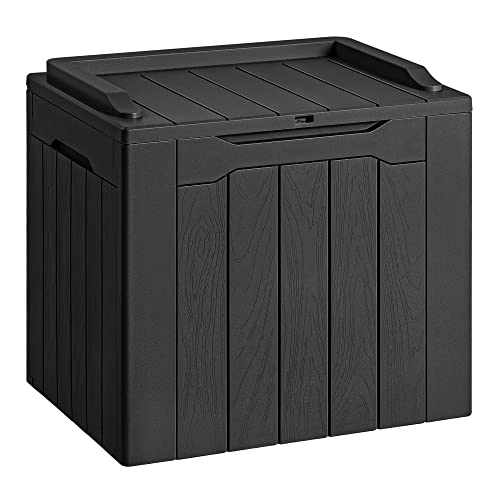
Wide, low-profile units that double as seating. Ideal for cushions, pool toys, and grill accessories. Most entry-level and mid-range deck boxes support a seated adult, making them a smart two-in-one for smaller patios.
Outdoor Storage Cabinets
Tall units with shelves and doors. Best for garden tools, cleaning supplies, and smaller items that need separation. Premium cabinets often include lockable handles and adjustable shelving.
Storage Benches
A patio storage bench blends seating with a lift-up compartment. Great for entryways, porches, and poolside areas where you want a resting spot and hidden storage in one footprint.
Resin Storage Sheds
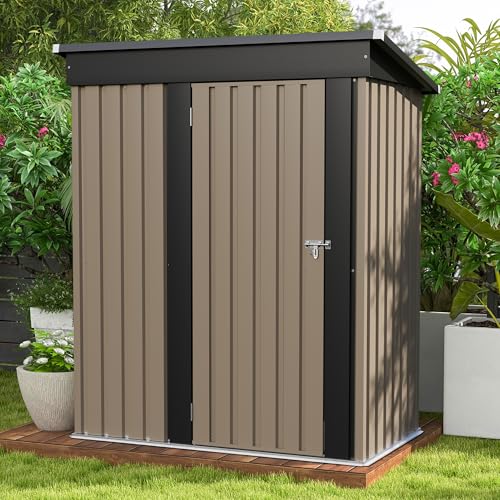
Larger walk-in or lean-to structures for mowers, bikes, and bulky equipment. These sit at the high-end tier and commercial-grade tier of the category and require a level base for proper assembly.
Many homeowners pair a deck box with a patio storage cabinet to separate soft goods from tools. If you are organizing a full outdoor room, a patio storage box near the seating area keeps throw blankets and cushion covers within reach, while a taller cabinet near the grill holds propane accessories and cleaning supplies.
Resin Grades and Weather Resistance
Not all "plastic" is equal. The resin blend determines how a storage unit performs in heat, cold, and sunlight. Use this table to match material grade to your climate and usage.
| Tier | Typical Material | Best For | Weather Notes |
|---|---|---|---|
| Entry-level | Standard polypropylene | Light use, covered porches | Good for mild climates; may fade in strong sun |
| Mid-range | HDPE resin with UV stabilizers | Year-round deck storage | Resists fading and cracking; handles rain well |
| Premium | Double-wall HDPE, reinforced frame | Heavy cushions, tools, coastal areas | Excellent moisture and salt-air resistance |
| Luxury / top-tier | Marine-grade resin, sealed seams | Poolside and exposed locations | Superior UV and freeze-thaw performance |
| Commercial-grade | Thick-wall structural resin | Shared spaces, rental properties | Built for high traffic and constant exposure |
If you already maintain plastic outdoor furniture, you will recognize the difference that UV-stabilized resin makes over a few seasons. The same principle applies to storage: a mid-range UV-treated box will typically outlast an entry-level unit by several years and hold its appearance far better. For coastal homes, salt spray accelerates degradation on metal hardware, so look for stainless or coated hinges even on resin bodies.
Sizing for Your Space
Measure before you shop. The most common mistake is buying a box that is too tall to slide under an existing patio table or too wide for the walkway between seating and railing. A few practical guidelines:
- Cushion storage: Measure the folded height of your thickest cushion and add a few inches of clearance. A deck box should hold all seat and back cushions for a standard sofa set.
- Tool storage: A cabinet needs depth for long-handled tools. Check interior depth, not just exterior dimensions.
- Walkway clearance: Leave at least 30 inches of clear path around any unit placed on a deck or paver patio.
- Seating height: If the box doubles as a bench, confirm the seat height matches your other outdoor seating for comfort.
Features That Matter: Lids, Locks, Ventilation
Small design details separate a storage unit that lasts a decade from one that warps in two seasons. Here is what to inspect:
- Lid seal: A gasketed or overlapping lid sheds rain better than a flat lid with a simple lip. Hinged lids with gas struts are more convenient than lift-off lids, especially on large boxes.
- Lockability: If you store tools or valuable equipment, look for a molded lock loop that accepts a padlock. Many mid-range cabinets include this at no extra design complexity.
- Ventilation: Sealed boxes trap moisture. Look for subtle vent channels or plan to add a desiccant pack. Condensation is the leading cause of musty cushions.
- Drainage: Some deck boxes include drainage plugs. These are useful if the unit sits in an area that collects rainwater.
- Hardware: Stainless steel or coated hinges and latches resist rust far better than painted steel.
For a deeper look at matching storage to existing furniture, the patio storage bench guide covers seat-height and material pairing in more detail. If you are building a complete outdoor organization system, consider how a storage unit interacts with your patio storage cabinet and any covered patio shade structures, since shade reduces UV exposure and extends the life of everything beneath it.
Buying Guide by Tier
Rather than chasing a specific number, think in terms of tiers. Each tier represents a relative position in the market and a corresponding level of construction quality. The descriptors below are consistent throughout this guide.
| Tier | Category | Best For |
|---|---|---|
| Starter tier | Basic deck boxes | Light cushion storage on covered porches |
| Essential tier | Standard storage benches | Entryway and poolside seating with hidden storage |
| Mid-tier | UV-treated deck boxes and cabinets | Year-round outdoor storage in mixed climates |
| High-end tier | Double-wall cabinets with locks | Tools, valuables, and coastal environments |
| Top-tier | Marine-grade storage systems | Exposed pool decks and harsh-weather regions |
| Commercial-grade | Structural resin sheds and heavy cabinets | Rental properties, shared spaces, high traffic |
A mid-range model usually offers the best balance for most homeowners: it includes UV-stabilized resin, a hinged lid with a decent seal, and often a lock loop, while staying light enough to move. Entry-level units are fine for covered porches but tend to fade or warp when fully exposed. High-end and top-tier units are worthwhile investments if your storage area is fully exposed to sun, salt air, or freeze-thaw cycles.
If you are organizing a complete outdoor room, think of storage as part of the same system as your patio storage box, seating, and shade. A clutter-free deck feels larger and makes every other piece of furniture easier to enjoy.
Placement and Care Tips
Placement affects performance as much as material grade. Follow these practices to get the longest life from any plastic storage unit:
- Level the base: An uneven surface stresses hinges and can warp the lid seal. Use shims or a small paver pad under the corners.
- Raise it slightly: A unit sitting directly on wet ground wicks moisture. Set it on a low platform or rubber feet to allow airflow beneath.
- Anchor in windy areas: Lighter boxes can shift in strong gusts. Anchor to a wall or place heavy items at the base.
- Clean seasonally: Wipe with mild soap and water; avoid abrasive cleaners that dull the finish.
- Check seals: Inspect gaskets and hinges before winter to catch wear early.
If your storage area is near a seating zone, consider how the unit pairs with your patio sofa or patio side table. A storage bench placed opposite a sofa can define a conversation area while hiding clutter. For larger properties, a patio store concept—combining several storage types—keeps garden tools, cushions, and pool gear each in their own zone.
Frequently Asked Questions
Is plastic storage outside safe in freezing temperatures?
High-density polyethylene and polypropylene resin units are engineered to remain flexible in cold weather. Entry-level resin blends can become brittle below freezing, so look for units explicitly rated for cold climates if you live in a region with harsh winters.
How do I stop condensation inside an outdoor plastic storage box?
Choose a model with ventilation channels or add a desiccant pack. Keep the lid sealed but allow a small air gap, and avoid storing damp items. A raised base also helps airflow beneath the unit.
Can plastic outdoor storage cabinets hold heavy garden tools?
Mid-tier and high-end tier cabinets with reinforced shelves and metal hinges can support heavy tools. Check the shelf load rating and prefer models with double-wall construction for stability.
Will UV exposure damage plastic storage outside over time?
Untreated plastic can fade and crack under prolonged sun exposure. Look for UV-stabilized or UV-resistant resin, which is standard on premium and top-tier outdoor storage products.