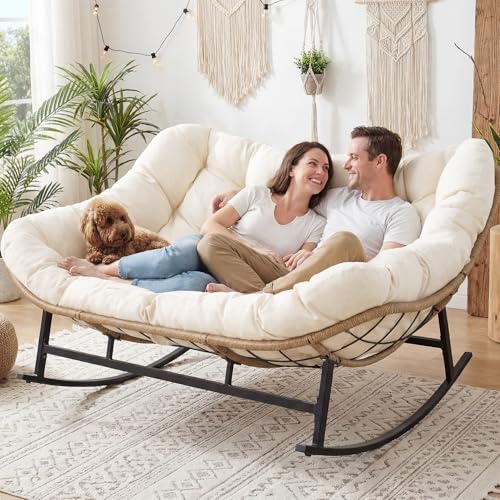
Outdoor Lounging: The Complete Guide to Relaxation Furniture
Transform your patio, deck, or garden into a personal retreat. Learn how to choose lounge chairs, daybeds, hammocks, and accessories that deliver lasting comfort and style.
PatioFocus Philosophy: Outdoor lounging is about more than just furniture — it is about creating a space where you can truly unwind. This guide walks you through the essential categories, materials, and layout strategies so you can build a relaxation zone that fits your lifestyle and climate.
What Defines Great Outdoor Lounging Furniture?
A well-designed lounging area balances three core elements: comfort, durability, and atmosphere. Comfort comes from ergonomic support — deep seats, adjustable backrests, and breathable cushioning. Durability depends on frame materials and weather-resistant finishes. Atmosphere is shaped by how the pieces work together, from the overall outdoor furniture arrangement to the shade and lighting you incorporate.
Whether you are working with a sprawling outdoor living room or a compact balcony, the goal is the same: a space where you can sink in, breathe out, and stay a while. The right lounging furniture should invite you to linger — not make you shift uncomfortably after ten minutes.
Understanding Lounging Furniture Tiers
To help you navigate the market without focusing on numbers, we classify outdoor lounging furniture into three universal quality tiers. These descriptors reflect relative market positioning, build quality, and material grade — not any specific figures.
Starter Tier
Typically features basic metal or resin frames with standard cushioning. Suitable for seasonal use, light lounging, and first-time patio setups. Good value for its tier when maintenance is kept up.
Balanced Tier
Offers improved frame construction — often powder-coated aluminum or all-weather wicker — with thicker, more supportive cushions. A solid choice for year-round outdoor use in most climates.
Top-Tier
Built with heavy-duty materials such as teak, high-grade stainless steel, or commercial-grade wicker. Features refined ergonomics, superior weather resistance, and long-term investment value.
Core Categories of Outdoor Lounging Furniture
Your lounging area can combine several furniture types depending on available space and your preferred relaxation style. Here are the main categories to consider:
Essential Lounging Pieces
- Lounge Chairs & Recliners — The backbone of any lounging setup. Look for adjustable backrests and breathable fabrics. Explore face-hole lounge chairs for tanning or reading, and sun loungers for poolside relaxation.
- Daybeds & Chaise Lounges — Perfect for full-body reclining and outdoor naps. Often paired with adjustable canopies for shade.
- Hammocks & Swing Seats — Ideal for gentle rocking and a sense of weightlessness. Consider a swing with stand if you lack sturdy trees.
- Conversation Sets with Deep Seating — Combine lounging with socializing. A 5-piece conversation set with fire pit bridges relaxation and warmth on cool evenings.
- Modular & Sectional Loungers — Flexible configurations that adapt to your space. Check lounge furniture for small spaces if square footage is limited.
Materials That Matter for Lounging Comfort
The frame and cushion materials determine how your lounging furniture performs over time. For hot climates, furniture designed for hot climates often uses breathable mesh or quick-dry foam. All-weather wicker and powder-coated aluminum resist sun and rain without heavy maintenance. Teak and other dense hardwoods age gracefully but require periodic sealing. For low-maintenance options, cushion-free outdoor furniture eliminates the need for fabric care altogether.
If storage is a concern, look for pieces with built-in cushion storage or outdoor furniture with storage compartments. These designs keep cushions dry and extend their lifespan — a smart choice for regions with unpredictable weather.
How to Zone Your Lounging Area
A successful lounging zone feels intentional. Start by identifying the primary activity: solo reading, couple relaxation, or group socializing. For solo retreats, a single recliner with a side table and shade is enough. For couples, a pair of lounge chairs facing a fire pit or water feature creates a natural focal point. For groups, combine a sofa or sectional with lightweight movable chairs.
Consider traffic flow — leave at least 18 inches between pieces for easy movement. If your space doubles as a dining area, explore L-shaped couch and dining table combos that merge lounging and eating zones. For elevated views, a high-top dining and lounging hybrid can serve double duty.
Shade, Cushions, and Comfort Accessories
Lounging without shade is lounging with regret. A cantilever umbrella or a freestanding patio umbrella positioned over your lounge chairs makes midday relaxation possible. Pair deep-seat cushions with high-quality deep seat cushions for added support — and keep them fresh with removable, washable covers.
Small additions make a big difference: a side table for drinks and books, an outdoor rug to define the zone, and soft lighting for evening ambience. If you want a fully coordinated look, browse outdoor furniture sets with swivel chairs that combine lounging and conversation in one package.
Keeping Your Lounging Furniture in Top Shape
Regular care extends the life of any lounging investment. Rinse frames monthly with mild soap and water. Store cushions during heavy rain or winter months. Tighten bolts and joints at the start of each season. For wicker and rattan, inspect for loose strands and avoid prolonged direct sunlight if the material is not UV-stabilized. A storage-integrated lounger simplifies seasonal packing and protects your cushions from moisture.
If you are assembling a new lounging area from scratch, start with our outdoor furniture buying guide for a broader overview of materials, sizing, and brand considerations.
Frequently Asked Questions
What is the best lounging furniture for small patios?
Compact lounge chairs, folding sun loungers, and hanging chairs work well in tight spaces. Prioritize pieces that fold or stack, and consider vertical storage. Our guide to lounge furniture for small spaces covers more layout ideas.
How do I choose between a hammock and a lounge chair?
Hammocks offer full-body suspension and gentle motion — ideal for breezy afternoons. Lounge chairs provide more upright support and are easier to pair with side tables and shade. Many homeowners use both: a chair for reading and a hammock for napping.
Do I need cushions for outdoor lounging chairs?
Not always. Some sling chairs and mesh loungers are designed for cushion-free comfort. If you prefer padded seating, choose quick-dry foam wrapped in solution-dyed acrylic fabric for the best weather resistance.
How can I protect lounging furniture from rust and fading?
Choose rust-proof finishes such as powder-coated aluminum or stainless steel. For fabric, look for UV-resistant and water-repellent treatments. Store or cover furniture during extended off-seasons to minimize exposure.
Can I mix different lounging furniture styles?
Yes — blending materials like wood, metal, and wicker can create a layered, designer look. Anchor the space with a consistent color palette and repeat one material at least twice to maintain visual harmony.