Teak Garden Chairs: The Complete Buyer's Guide
Everything you need to know before choosing teak outdoor seating — from wood grades and joinery to finishes, care, and matching your patio style.
Why teak? Teak garden chairs have long been the benchmark for durable outdoor seating. The wood's natural oils and dense grain make it naturally resistant to rot, insects, and the elements — which is why you'll find teak furniture gracing gardens, patios, and terraces across the world. If you're researching before you buy, this guide will walk you through everything that matters: the grades of teak, the joinery techniques, the difference between styles, and how to keep your chairs looking beautiful for decades.
What Makes Teak So Special?
Teak (Tectona grandis) is a tropical hardwood prized for its extraordinary natural durability. Its high silica content and natural oils make it resistant to water absorption, which means it won't warp, crack, or rot as easily as other woods. Unlike many outdoor materials, teak doesn't require chemical treatments to survive the seasons — it is inherently weather-resistant.
When left untreated, teak weathers to a beautiful silvery-grey patina that many homeowners love. If you prefer the warm golden-brown tone, you can maintain it with periodic cleaning and a teak sealer or oil. Either way, teak garden chairs are a long-term investment in both beauty and function.
Understanding Teak Grades
Not all teak is created equal. The quality of the wood — and therefore the durability and appearance of your chairs — depends heavily on the grade. Here's a breakdown of the most common classifications:
| Grade | Characteristics | Best For |
|---|---|---|
| Grade A / Premium | Uniform golden color, tight grain, minimal knots, from the heartwood of mature trees. | High-end tier patio sets, formal gardens, long-term outdoor use. |
| Grade B / Mid-range | Slight color variation, occasional small knots, good structural integrity. | Everyday garden seating, mixed outdoor living areas, family patios. |
| Grade C / Entry-level | Visible knots, wider color range, more sapwood content. | Casual seating, covered porches, starter outdoor setups. |
For most homeowners, Grade A or B teak offers the best balance of durability and visual appeal. Grade A is the top-tier choice for those who want a flawless finish, while Grade B delivers solid performance with a bit more character.
Joinery: The Hidden Measure of Quality
Even the finest teak can be let down by poor construction. The way a chair is put together — its joinery — determines how long it will hold up under daily use. Here are the key joints to look for:
- Mortise-and-tenon: The gold standard for outdoor furniture. A projecting tenon fits into a mortise (a hole) and is secured with glue or pegs. This creates a strong, stable joint that resists racking.
- Dovetail joints: Interlocking wedge-shaped cuts that hold without glue. Often found in drawer boxes, but occasionally used in premium chair frames.
- Finger joints: Interlocking fingers of wood glued together. Common in mid-range furniture; strong but less refined than mortise-and-tenon.
- Dowelled joints: Wooden dowels reinforce butt joints. Acceptable for entry-level pieces but less durable over time.
When shopping, look for chairs with mortise-and-tenon joinery and stainless steel or brass hardware. Avoid chairs assembled with staples or visible screws driven directly into end grain — these are signs of lower-quality construction.
Popular Styles of Teak Garden Chairs
Teak garden chairs come in a variety of styles to suit different outdoor spaces and design preferences:
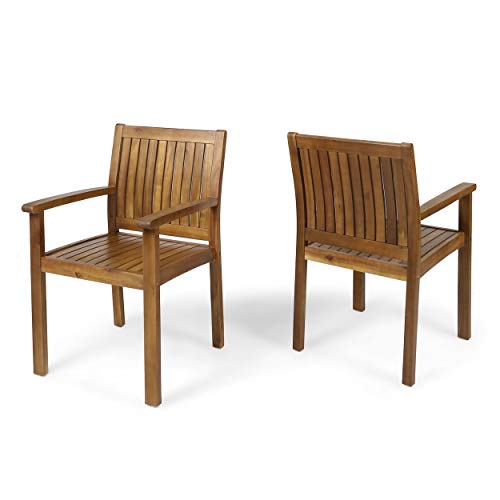
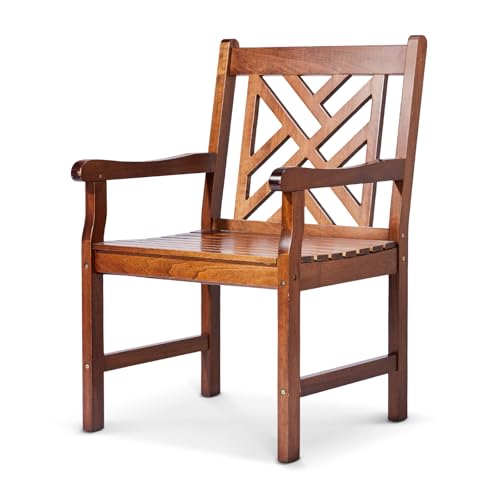
- Teak armchairs: Classic garden seating with wide armrests and a supportive back. Ideal for dining sets and conversation areas.
- Teak folding chairs: Space-saving and portable. Great for smaller patios or for storing during the off-season.
- Teak stacking chairs: Practical for households that entertain often. Stack them when not in use to save space.
- Teak Adirondack-style chairs: A relaxed, reclined silhouette with wide arms. Perfect for lounging in the garden.
- Teak bar-height chairs: Designed for high-top tables and outdoor bar areas. Look for footrests and a comfortable seat height.
Consider how you'll use your chairs. If you're building a complete outdoor living space, coordinating your teak chairs with a matching teak outdoor dining table with umbrella hole creates a cohesive look that's both practical and elegant.
Teak vs. Other Outdoor Chair Materials
How does teak compare to other common outdoor chair materials? Here's a quick comparison:
| Material | Durability | Maintenance | Best For |
|---|---|---|---|
| Teak | Excellent — naturally rot and insect resistant | Low — occasional cleaning and optional oiling | Long-term outdoor use, premium gardens |
| Metal (aluminum/steel) | Good — rust-proof finishes available | Low — wipe clean, check for scratches | Modern patios, low-maintenance setups |
| Wicker/Rattan | Moderate — depends on resin quality | Moderate — clean crevices, protect from sun | Coastal or bohemian styles |
| Plastic/Resin | Moderate — can fade or crack over time | Low — easy to clean | Casual, entry-level seating |
If you're comparing options across categories, you might also want to explore all-weather wicker outdoor dining chairs for a different aesthetic. But for sheer longevity and natural beauty, teak remains a top-tier choice.
How to Care for Teak Garden Chairs
One of the best things about teak is how little maintenance it requires. Here's a simple care routine to keep your chairs in great shape:
- Clean regularly: Use a soft brush and mild soapy water to remove dirt and pollen. Rinse thoroughly and allow to dry.
- Decide on a finish: If you love the silvery-grey patina, leave the wood untreated. If you prefer the golden-brown look, apply a teak sealer or oil once or twice a year.
- Store or cover during extreme weather: While teak is durable, covering your chairs during harsh winters or prolonged rain can extend their life.
- Check hardware: Periodically tighten any screws or bolts. Stainless steel hardware should stay rust-free, but it's worth a quick check each season.
- Avoid harsh chemicals: Bleach and abrasive cleaners can damage the wood's surface. Stick to gentle, teak-safe products.
With minimal care, teak garden chairs can last for decades, developing character and warmth that only improve with age.
Matching Teak Chairs to Your Patio Style
Teak's warm, natural tone pairs beautifully with a wide range of design styles:
- Modern: Choose sleek, clean-lined teak chairs with minimal ornamentation. Pair with a square metal patio table with umbrella hole for a contemporary look.
- Coastal: Combine teak chairs with white or navy accents, and add a turquoise patio umbrella with solar lights for a breezy, seaside feel.
- Rustic/Farmhouse: Opt for chunkier teak chairs with visible grain and a weathered finish. Pair with natural textiles and earthy tones.
- Traditional: Classic teak armchairs with turned legs and curved backs complement formal gardens and traditional patio settings.
If you're designing a complete dining area, you might also consider a 5-piece outdoor dining set with umbrella hole as a foundation, then add teak chairs for a personalized touch. For larger gatherings, a 9-piece outdoor dining set with umbrella hole offers plenty of seating and shade.
Frequently Asked Questions
Do teak garden chairs need to be oiled?
Not necessarily. Oiling is optional — it helps maintain the golden-brown color. If you prefer the natural silvery-grey patina, you can skip oiling entirely. Oiling also helps repel water and dirt, which some owners appreciate in high-use areas.
Can teak chairs be left outside year-round?
Yes. Teak is naturally weather-resistant and can withstand rain, sun, and snow. However, covering your chairs during extreme weather or storing them in a shed during winter can extend their lifespan and reduce cleaning.
How do I know if a teak chair is high quality?
Look for Grade A or B teak, mortise-and-tenon joinery, stainless steel or brass hardware, and a smooth finish with minimal knots. Avoid chairs with visible staples or screws driven into end grain.
Are teak garden chairs comfortable without cushions?
Teak chairs are designed with contoured seats and backs for comfort, but many people add cushions for extra support. If you prefer a cushion-free look, look for chairs with a slight recline and a wide seat. For a different approach, you can also explore outdoor furniture that doesn't need cushions.
How many teak chairs do I need for my patio?
It depends on your dining table size and how you entertain. A typical dining set seats 4 to 6. For larger gatherings, consider a 9-piece outdoor dining set with swivel chairs or mix teak chairs with other seating styles.
Ready to Elevate Your Outdoor Space?
Explore our curated selection of teak garden chairs and matching outdoor furniture to create a patio you'll love for years to come.
Explore Teak ChairsDisclaimer
The information provided on PatioFocus is for educational and informational purposes only. We are not professional landscapers or contractors, and our content should not replace professional advice. Always consult with a qualified expert regarding structural, safety, or weather-related concerns. Some content may use AI assistance. Always check product warranties and safety standards before purchasing. If you do not agree, please do not use this website. Read the full disclaimer.