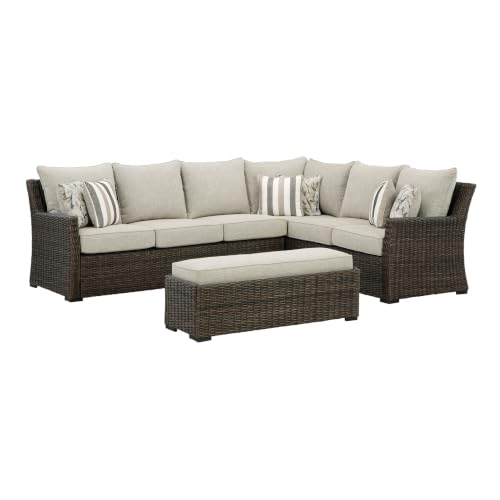
All-Weather Resin Wicker Patio Furniture: The Complete Guide
Everything you need to know about resin wicker outdoor furniture — how it's made, why it lasts, which styles suit your space, and how to care for it so your patio looks great season after season.
Explore the GuideWhy this guide matters: If you've been researching patio furniture, you've likely noticed resin wicker everywhere. This guide explains what all-weather resin wicker actually is, how it compares to natural rattan and other materials, and what to look for before you commit — so you can choose a set that fits your climate, your style, and your long-term expectations.
What Is All-Weather Resin Wicker?
All-weather resin wicker — sometimes called synthetic rattan, PE wicker, or HDPE wicker — is a man-made weaving material designed to replicate the look of natural rattan and wicker while eliminating its biggest weaknesses. Natural rattan is beautiful but vulnerable to moisture, UV damage, and rot. Resin wicker solves those problems by using high-density polyethylene (HDPE) or similar polymers that are extruded into strands, then woven over a metal frame.
The term "all-weather" refers to the material's ability to withstand rain, sun exposure, humidity, and temperature swings without cracking, rotting, or deteriorating the way natural fibers can. That said, "all-weather" does not mean "indestructible" — the quality of the resin, the density of the weave, and the frame beneath it all determine how well a piece holds up over time.
Resin wicker furniture has become the default choice for outdoor living because it balances aesthetics, comfort, and durability. It looks warm and textured like natural wicker, but it can be left outside through spring showers and summer heat waves with far less worry. If you're building out a full outdoor furniture collection, resin wicker is one of the most versatile foundations you can choose.
Resin Wicker vs. Natural Rattan: Key Differences
Understanding the difference between synthetic and natural wicker helps you set realistic expectations. Here's how they compare across the factors that matter most for outdoor use.
| Factor | All-Weather Resin Wicker | Natural Rattan / Wicker |
|---|---|---|
| Moisture resistance | High — resists rain and humidity | Low — absorbs water, prone to rot |
| UV resistance | Good to excellent with UV inhibitors | Poor — fades and dries out |
| Maintenance | Minimal — wipe and rinse | Regular sealing and indoor storage |
| Lifespan outdoors | Long with proper care | Short unless sheltered |
| Color consistency | Uniform, available in many finishes | Natural variation, limited palette |
| Best for | Year-round outdoor use | Covered porches and sunrooms |
The practical takeaway: if your furniture will live outdoors exposed to the elements, resin wicker is the safer investment. Natural rattan can work beautifully on a covered porch, but it demands more attention and shelter.
Durability & Weather Performance
All-weather resin wicker is engineered to handle the outdoors, but performance varies significantly across product tiers. The best pieces combine three elements: a high-grade resin strand, a tight and consistent weave, and a corrosion-resistant frame.
What "All-Weather" Really Covers
- Rain and humidity: Resin does not absorb water, so it won't swell, rot, or grow mold the way natural fibers can. Water beads and runs off the weave.
- Sun exposure: Quality resin includes UV inhibitors that slow fading and prevent the material from becoming brittle. Premium and luxury tier products generally hold color longer.
- Temperature swings: Resin wicker tolerates heat and cold well, though extreme cold can make lower-grade resin more rigid. High-end formulations maintain flexibility across a wider range.
- Wind and salt air: Resin itself resists salt, making it a strong option for coastal patios — provided the frame is also rust-resistant.
One caveat worth repeating: "all-weather" describes the material's resistance, not a guarantee of indefinite outdoor life. Entry-level resin wicker may use thinner strands and looser weaves that degrade faster, while furniture built for hot climates typically uses denser, UV-stabilized resin. Choosing the right tier for your environment is the single biggest factor in longevity.
Quality Tiers Explained
Rather than thinking in terms of numbers, it helps to understand resin wicker furniture in three broad tiers. Each tier reflects a different balance of material density, frame construction, cushion quality, and overall refinement.
Starter Tier
Lighter frames, thinner resin strands, and simpler weaves. Suitable for sheltered patios and seasonal use. A solid starting point for first-time buyers or occasional outdoor setups.
Balanced Tier
Denser weave, more robust aluminum or steel frames, and better cushions. The sweet spot for most homeowners who want year-round outdoor furniture with dependable performance.
Top-Tier
Heavy-duty construction, UV-stabilized high-grade resin, precision weaving, and premium cushions with quick-dry foam. Built for long-term outdoor exposure and refined comfort.
As a rule, mid-range models tend to offer smoother weaving and sturdier frames than entry-level pieces, while premium and luxury sets add refinements like reinforced joinery, higher-density foam, and more sophisticated finishes. The right tier depends on how exposed your patio is and how much use it sees.
Popular Styles & Configurations
Resin wicker is remarkably flexible. It appears across nearly every outdoor furniture category, from compact bistro sets to expansive sectional arrangements.
Dining Sets
Wicker dining sets are a classic choice for covered patios and open decks alike. Configurations range from intimate round five-piece sets to large nine-piece dining sets with an umbrella hole. A five-piece set with swivel chairs adds easy conversation flow, while a bar-height dining set brings a more contemporary feel.
Lounge & Conversation Seating
Wicker sofas, loveseats, and armchairs form the backbone of many outdoor living rooms. A conversation set with a fire pit extends the season into cooler evenings, and a three-piece wicker patio set is ideal for balconies and smaller decks. For a more relaxed setup, wicker sun loungers and lounge furniture for small spaces bring resort-style comfort home.
Bar & High-Top Options
Elevated dining is increasingly popular, and wicker adapts well to it. Consider an outdoor high-top table and chairs for a casual entertaining zone, or a bar-height bistro table and chairs for compact spaces. Bar stools like a set of four 30-inch outdoor bar stools pair naturally with these setups.
Complete Outdoor Rooms
If you're furnishing a larger space, resin wicker can anchor a full outdoor living room or complement an outdoor kitchen. Coordinating pieces like an outdoor table and chairs with an umbrella or an outdoor set with swivel chairs make it easy to build a cohesive look.
Frame Materials Matter
Resin wicker is only as good as the frame beneath it. The frame determines structural strength, weight, and how well the furniture resists rust over time.
- Aluminum frames: The preferred choice for outdoor use. Lightweight, rust-proof, and easy to move. Mid-range and premium resin wicker sets almost always use aluminum.
- Powder-coated steel: Strong and stable, but heavier. Quality powder coating protects against rust; chips and scratches need prompt attention to prevent corrosion.
- Wood or rattan frames: Rare in true all-weather pieces, but occasionally found in decorative or indoor-outdoor hybrids. Less suitable for exposed patios.
Look for fully welded or reinforced joints, and check that the frame is described as rust-resistant or rust-proof. A stainless steel outdoor prep table with storage, for example, shows how metal choice affects long-term durability in outdoor settings — the same logic applies to wicker furniture frames.
Cushions & Comfort
Resin wicker frames are firm and supportive, so cushions do most of the comfort work. Cushion quality varies widely and is one of the clearest indicators of a set's tier.
- Foam density: Higher-density foam resists flattening and holds its shape longer. Premium sets often use quick-dry foam that allows water to pass through rather than soak in.
- Fabric: Solution-dyed acrylic and olefin fabrics resist fading, mildew, and moisture. Look for fabrics explicitly rated for outdoor use.
- Covers: Removable, zippered covers make cleaning much easier. Many homeowners keep a spare set or rotate cushions to extend their life.
- Thickness: Deeper cushions feel more luxurious, but they also need more storage space when not in use.
If cushion storage is a concern, look for sets with built-in solutions — outdoor furniture with built-in storage for cushions keeps everything tidy and protected. For a more low-maintenance approach, outdoor furniture that doesn't need cushions paired with wicker accents can simplify your routine. If you prefer to replace or upgrade cushions over time, deep seat cushions are widely available in outdoor-rated fabrics.
Best Climates & Environments for Resin Wicker
All-weather resin wicker performs well across a wide range of climates, but a few environments deserve special consideration.
Hot & Sunny Climates
UV exposure is the biggest long-term threat to any outdoor furniture. In hot, sun-drenched regions, choose mid-range or premium resin wicker with UV inhibitors, and position furniture in partial shade where possible. Covers during peak summer months help preserve color.
Rainy & Humid Climates
Resin wicker handles moisture well, but standing water can degrade cushions and encourage mildew. Ensure frames have drainage-friendly feet, tilt cushions to dry after rain, and consider a covered pergola or umbrella for extra protection.
Coastal Areas
Salt air corrodes metal, so an aluminum frame is essential. Resin itself resists salt, making well-built wicker a strong coastal choice. Rinse frames occasionally to remove salt residue.
Cold & Snowy Winters
Resin wicker can stay outside in winter, but heavy snow loads can stress frames and cushions. Bring cushions indoors, cover frames with breathable covers, and clear snow promptly to prevent ice buildup.
Care & Maintenance
One of the biggest advantages of resin wicker is how little maintenance it requires. A simple routine keeps it looking fresh for years.
- Routine cleaning: Wipe the weave with a soft brush or cloth using mild soap and water. Rinse thoroughly and dry with a towel. Avoid harsh chemicals and power washing.
- Deep cleaning: For stubborn dirt in the weave, use a soft-bristled brush with diluted mild detergent. Rinse and dry completely, especially before storing.
- Cushion care: Shake out cushions regularly, spot-clean with mild soap, and allow them to air dry completely before replacing them. Store indoors during heavy rain or winter.
- Frame inspection: Check for scratches or chips in powder coating. Touch up as needed to prevent rust on steel frames.
- Covers: Use breathable furniture covers during off-season or extreme weather. Avoid plastic covers that trap moisture.
A few minutes of care each month goes a long way. For a broader seasonal maintenance routine, the outdoor care guides cover weatherproofing, rust prevention, and storage in depth.
Buying Checklist
Before you choose an all-weather resin wicker set, run through these key questions.
- Frame material: Is it aluminum or powder-coated steel? Is it described as rust-resistant or rust-proof?
- Resin quality: Does the product mention UV inhibitors or UV-stabilized resin? Higher tiers generally specify this explicitly.
- Weave density: Is the weave tight and consistent, with no loose strands or gaps?
- Cushion fabric: Is the fabric rated for outdoor use? Are covers removable and washable?
- Foam type: Does the cushion use quick-dry foam or high-density foam that resists flattening?
- Configuration: Does the set fit your space? Measure your patio and compare with the dimensions of each piece.
- Assembly: Is assembly required, and are the instructions clear?
- Warranty: What does the warranty cover — frame, resin, or cushions? Check the warranty and returns guide for general guidance.
If you're still comparing options, browse the all-weather wicker patio furniture collection and the all-weather wicker outdoor dining chairs for a closer look at individual pieces.
Frequently Asked Questions
Is all-weather resin wicker furniture truly weatherproof?
How long does resin wicker patio furniture last?
Does resin wicker fade in the sun?
Can resin wicker furniture be left outside in winter?
How do I clean all-weather resin wicker?
Ready to Furnish Your Patio?
Explore our curated selection of all-weather resin wicker patio furniture and find the right set for your space.
View Recommended Sets