Outdoor Kitchen Planning Guide
Everything you need to design a functional, durable, and beautiful backyard cooking space — from appliance selection and layout planning to materials and weatherproofing.
Explore the GuideWhy an outdoor kitchen? An outdoor kitchen transforms your patio into a true extension of your home — a place for cooking, dining, and entertaining without the constant back-and-forth to the indoor kitchen. But building one that lasts requires careful planning. This guide walks you through appliance choices, layout considerations, material selection, and maintenance so you can make informed decisions before you buy.
Planning Your Outdoor Kitchen Layout
Before choosing appliances, map out how you cook and entertain. The three most common outdoor kitchen layouts are the linear (straight run along a wall or fence), the L-shaped (two connected runs, ideal for corner spaces), and the U-shaped (three sides, maximizing counter space and workflow). Each has trade-offs in footprint, traffic flow, and shelter from wind.
Workflow is the single most important factor. Aim for a clear sequence: prep area → cooking zone → plating and serving. A prep surface adjacent to the grill reduces trips and keeps hot items from crossing raw ingredients. If you plan to add a sink, place it between the prep zone and the grill so washing and cooking stay connected.
Consider proximity to your indoor kitchen — a shorter path means fewer trips with heavy trays. Also factor in shade, prevailing wind (so smoke drifts away from seating), and utility access for gas, water, and electricity. If your patio is part of a larger outdoor living room design, align the kitchen with your seating and dining zones so guests can move naturally between cooking and conversation.
Choosing Outdoor Kitchen Appliances
Outdoor appliances are built to different standards than indoor models. Look for stainless steel construction (304-grade is the benchmark for coastal and humid climates), sealed burners, and weather-resistant components. Below are the core appliance categories and how they differ across market tiers.
Starter Tier Grills & Components
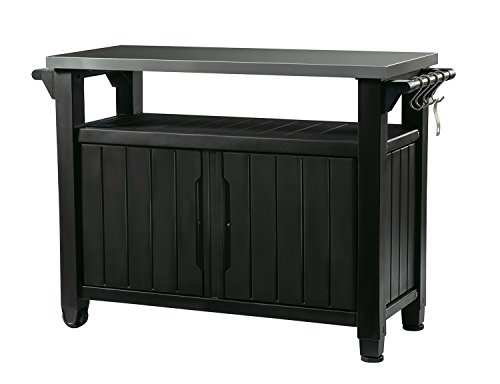
Entry-level outdoor kitchen equipment typically uses thinner stainless or porcelain-coated steel. These are a solid choice for occasional cooks and mild climates. Expect simpler burner controls and fewer accessories. They work well for a first outdoor cooking setup when paired with a stainless steel outdoor prep table with storage.
Mid-Tier Grills & Modules
Mid-range models step up to heavier 304 stainless, better heat retention, and more precise controls. This tier often includes built-in side burners, rotisserie kits, and modular cabinetry. For many homeowners, this is the sweet spot: durable construction, feature-rich for its class, and efficient in the long run.
High-End & Professional-Grade
Premium and professional-grade outdoor kitchens use commercial-grade stainless, welded seams, infrared burners, and integrated ventilation. These are long-term investments built for frequent, high-volume cooking. They pair well with commercial-grade cabinetry and built-in refrigeration. Consider this tier if you entertain often or live in a harsh coastal environment.
Core appliance checklist:
- Grill: Built-in gas grills are the centerpiece. Compare burner output, cooking surface area, and hood construction. Ceramic or infrared burners suit high-heat searing.
- Side burner: Useful for sauces, sides, and boiling — keeps odors out of the house.
- Refrigeration: An outdoor-rated refrigerator or ice maker extends entertaining hours. Ensure it is rated for outdoor use and properly ventilated.
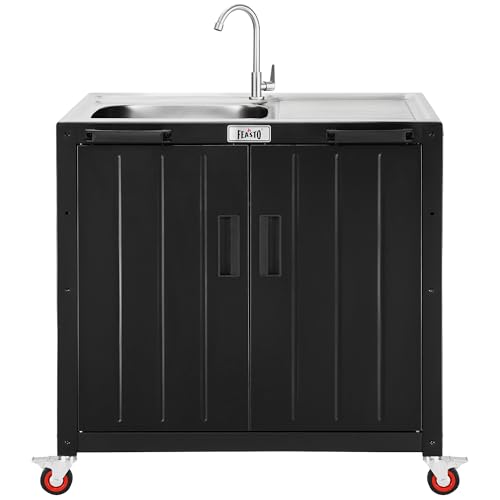
- Sink and prep station: A small sink with a prep surface streamlines cleanup. See our guide to a stainless steel prep table with storage for a practical solution.
- Pizza oven or smoker: Optional add-ons for enthusiasts; plan extra footprint and ventilation.
Materials That Last Outdoors
The materials you choose determine how your outdoor kitchen ages. Stainless steel is the most common choice for appliances, but the structure and countertop matter just as much.
- Framing: Powder-coated steel or aluminum frames resist rust; concrete block and stone provide permanence but are harder to modify later.
- Countertops: Granite, quartzite, and sealed concrete handle heat and weather well. Avoid porous materials that stain and crack in freeze-thaw cycles.
- Cabinetry: Marine-grade polymer and stainless cabinets outperform wood in humid climates. Wood requires regular sealing and still may warp.
- Flooring: Slip-resistant pavers or sealed concrete reduce accidents near the grill. A stained concrete patio can be both durable and visually cohesive with your kitchen island.
Whatever you choose, confirm that every component is explicitly rated for outdoor use. Indoor appliances void warranties and fail quickly when exposed to moisture and temperature swings.
Weatherproofing and Maintenance
An outdoor kitchen is an investment — protecting it extends its life. Key practices:
- Cover the grill and any exposed appliances when not in use; use breathable covers to prevent condensation.
- Seal natural stone and concrete countertops annually, or as recommended by the manufacturer.
- Inspect gas lines and connections seasonally; check for leaks and replace worn hoses.
- Clean stainless surfaces with a dedicated stainless cleaner to prevent surface rust and fingerprints.
- In freezing climates, drain water lines and shut off the sink before the first frost.
If your outdoor kitchen is part of a larger patio build, our outdoor furniture and outdoor living guides cover complementary seating, shade, and layout planning.
Frequently Asked Questions
Do I need a permit to build an outdoor kitchen?
Permit requirements vary by municipality. Gas lines, electrical work, and permanent structures typically require permits and licensed professionals. Check with your local building department before starting, especially if you plan to run utilities or build a roofed structure.
Can I use indoor appliances in an outdoor kitchen?
No. Indoor appliances are not rated for outdoor exposure. Moisture, temperature swings, and pests can damage them and void warranties. Always choose appliances explicitly rated for outdoor use.
What is the best material for an outdoor kitchen countertop?
Granite, quartzite, and sealed concrete are popular for their heat resistance and durability. Avoid porous materials like marble or unsealed limestone in freeze-thaw climates. Stainless steel counters are another option for a commercial look and easy cleaning.
How do I protect my outdoor kitchen from winter weather?
Cover appliances with breathable covers, drain water lines, disconnect gas if recommended, and seal countertops before winter. In severe climates, consider removable panels or a pergola for added protection. Our outdoor care section covers seasonal maintenance in more detail.
How much counter space should I plan for?
Allow at least 24 inches of prep space on each side of the grill, and more if you frequently cook for large groups. A minimum of 6 feet of total counter run is a practical starting point for a basic setup with a grill and prep area.
Ready to Plan Your Outdoor Kitchen?
Browse our curated selection of outdoor kitchen components and patio essentials to bring your design to life.
View Recommended Products