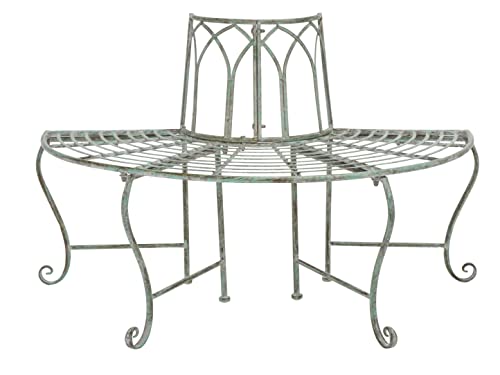
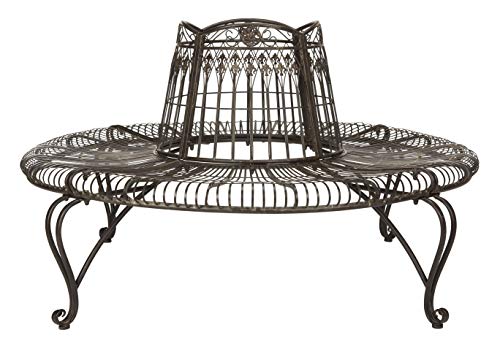
Bench for Tree: The Complete Buying Guide
Turn the base of a mature tree into a beautiful, functional seating area. Learn how to choose the right tree bench by type, material, size, and placement — so you buy with confidence and enjoy your garden for years.
Why a tree bench matters: A tree already anchors your landscape. A bench built around it adds usable seating, creates a natural focal point, and makes shade work in your favor. Whether you want a quiet reading nook or a gathering spot for friends, the right bench for tree transforms unused ground into one of the most inviting corners of your yard. This guide walks you through every decision so you can choose a bench that fits your tree, your space, and your lifestyle.
What Is a Bench for Tree?
A bench for tree is a seating structure designed to fit around, against, or beneath the trunk of a tree. Unlike a standard garden bench that sits in open ground, a tree bench is shaped to work with the trunk — often with a curved inner edge, a cut-out, or a full ring that wraps around the bark.
These benches serve a dual purpose. First, they provide comfortable seating exactly where shade is best — under the canopy. Second, they protect the area around the trunk from foot traffic and soil compaction, which helps the tree stay healthy. For homeowners with a large shade tree, a well-chosen tree bench is one of the most space-efficient ways to add seating without sacrificing lawn or planting beds.
Tree benches come in three broad categories: full wrap-around rings, partial curved seats that hug one side of the trunk, and freestanding benches placed near the tree. Each has different installation requirements and works best in different settings. We break them down below so you can match the style to your tree and your yard.
Types of Tree Benches
The type you choose depends on the trunk size, the shape of your outdoor space, and how much seating you need. Here are the main options, each with a tier descriptor so you can compare them at a glance.
Full Wrap-Around Ring Bench
A complete circular bench that encircles the trunk, often with a hexagonal or octagonal frame. It provides the most seating and creates a strong focal point. Best for large, healthy trees in spacious yards where the ring will not block pathways.
Curved Partial Bench
A crescent-shaped seat that hugs one side of the tree. It offers a good balance of seating and open space, making it ideal for medium yards or trees near fences and borders. Installation is simpler than a full ring.
Straight Freestanding Bench
A traditional bench placed just beside or beneath the tree rather than fitted around it. It is the easiest to install, move, and repurpose. Great for renters or anyone who wants flexibility without modifying the ground.
Hexagonal or Octagonal Seat
A faceted bench built in segments around the trunk, often with a backrest on some sides. It combines the wrap-around feel with a more architectural look. Best for formal gardens and mature specimen trees.
Modular Kit Bench
Pre-cut panels and hardware that assemble around a tree of a given trunk size. These are easier to transport and install than one-piece benches. Check the kit's trunk range carefully before ordering.
Bench with Backrest Wrap
A ring or partial bench with a backrest on the outer edge for extra comfort. The backrest adds support for longer sitting sessions but increases the footprint, so confirm clearance before you commit.
If you are still deciding between a bench that wraps a tree and a more conventional seat, it helps to compare it with a bench picnic table for open-ground seating, or with a bench swing if you prefer gentle motion. For indoor or covered spaces, a bench for the dining room follows different sizing rules.
Materials and Durability
The material you choose affects how the bench looks, how long it lasts, and how much upkeep it needs. Because a tree bench sits in shade and near soil, moisture resistance matters more than it does for a bench on a dry patio.
Wood: Cedar, Teak, and Acacia
Wood is the classic choice for a tree bench. Cedar and teak are naturally rot-resistant and weather to a soft silver-gray over time. Acacia is dense and well-suited to outdoor furniture. Wood benches feel warm against the body and blend naturally with bark and foliage. They need occasional cleaning and, depending on the finish, re-oiling every season or two to keep their color. Look for stainless or galvanized hardware to prevent rust stains near the trunk.
Metal: Aluminum and Powder-Coated Steel
Powder-coated aluminum is lightweight, rust-resistant, and easy to move, which makes it a strong fit for modular tree benches. Powder-coated steel is heavier and more rigid, giving a slimmer profile with a solid build. Metal benches handle rain and humidity well but can feel hot in direct sun, so consider cushions if the seat faces the sun for part of the day.
Composite and HDPE Lumber
Composite and high-density polyethylene benches resist moisture, insects, and fading with almost no maintenance. They are a practical choice for humid climates and busy households. The trade-off is a slightly more synthetic look compared with natural wood, though modern finishes have closed much of that gap.
Concrete and Stone
Cast stone and concrete benches are extremely durable and visually substantial. They suit formal gardens and large trees. Because they are heavy and permanent, they are best installed by professionals and are difficult to reposition later.
Material tip: Whatever material you pick, prioritize a rust-proof finish on hardware and a weather-resistant coating on the frame. These two details matter more than the seat surface when the bench sits under a tree that drops leaves, sap, and moisture year-round.
How to Measure and Size a Tree Bench
Correct sizing is the difference between a bench that fits beautifully and one that crowds the trunk or blocks a path. Measure before you buy — every time, even for kits that advertise a trunk range.
- Measure trunk circumference at seat height. Wrap a tape measure around the trunk at roughly the height where the seat will sit, usually 17 to 19 inches above the ground. Record the circumference, then calculate the diameter by dividing by 3.14.
- Add clearance for growth and airflow. Leave a gap of roughly 2 to 3 inches between the inner edge of the bench and the bark. This prevents rubbing as the tree grows and keeps moisture from being trapped against the trunk.
- Measure the outer footprint. Confirm the total diameter or width of the bench fits your space without blocking doors, gates, or walking routes. For a wrap-around bench, the outer diameter is typically the trunk diameter plus twice the seat depth plus clearance.
- Check seat depth and height. A comfortable seat depth is around 16 to 18 inches, and seat height around 17 to 19 inches. These dimensions suit most adults and match standard outdoor cushions.
- Confirm root and soil conditions. A leg-supported or freestanding bench is safest for the tree. Avoid designs that require compacting soil directly against the trunk or burying the root flare.
For small outdoor spaces, a partial curved bench often fits better than a full ring. If your yard is compact overall, our guide to small patio design and balcony decor can help you plan seating without overcrowding. If you are furnishing a shaded dining zone instead, compare sizing with an outdoor dining layout.
Placement and Tree Care
A tree bench works best when it respects the tree's root zone. The goal is to add seating without harming the trunk, roots, or soil structure. Here is how to place a bench so it supports both the tree and the people who use it.
Respect the Root Flare
Never bury the root flare — the widening where the trunk meets the roots. Keep the bench frame and any soil or mulch below the flare level. A leg-supported bench that spans the root zone without compacting it is the safest design.
Keep the Trunk Clear
Leave breathing room between the bench and the bark. Tight contact can trap moisture, invite pests, and cause wounds as the tree grows. A gap of 2 to 3 inches is a practical starting point, and slightly more for fast-growing species.
Avoid Soil Compaction
Foot traffic around a tree compacts soil and reduces oxygen to the roots. A bench that discourages people from walking directly over the root zone can actually help. Place the bench so it channels foot traffic toward the outer edge of the canopy rather than across the roots.
Consider Sun and Shade
Under a deciduous tree, the bench will be shaded in summer and sunnier in winter after leaf drop. That is usually ideal. Under evergreens, the spot stays shaded year-round, so choose a material that handles constant moisture and consider cushions for comfort in cooler months.
Placement tip: Position the bench so the best view — a garden bed, a water feature, or the house — is visible from a seated position. A tree bench is a destination seat, so the outlook matters as much as the fit.
Style and Design Options
Tree benches are available in styles that range from rustic to architectural. Matching the bench to the surrounding landscape keeps the design cohesive.
Rustic and natural: Log-style benches, slab seats, and natural wood finishes suit woodland gardens and cottage landscapes. These designs lean on the texture of wood and look best with a simple, low-maintenance finish.
Modern and minimal: Slim aluminum frames, composite slats, and clean geometric shapes suit contemporary patios. Pair them with neutral cushions and minimal ornamentation. If your patio follows a modern theme, our modern patio guide covers complementary furniture choices.
Formal and traditional: Hexagonal and octagonal benches with backrests, cast stone seats, and ornate metalwork suit formal gardens. These benches read as architecture and work well as a centerpiece beneath a specimen tree.
Coastal and relaxed: Whitewashed wood, teak, and light-colored composites fit seaside and coastal-inspired gardens. For a cohesive look, see our coastal patio ideas and bohemian oasis guide.
Cushions and backrests change both comfort and style. A flat bench invites quick sits; a backrest and cushion make it a place to linger. If you plan to add cushions, check that the seat depth and slat spacing suit the cushion style you want.
Side-by-Side Comparison
Use this table to compare the main tree bench types by tier, category, and best use. Descriptors reflect relative market position and quality, not absolute figures.
| Bench Type | Tier | Best For | Installation | Tree-Friendliness |
|---|---|---|---|---|
| Full wrap-around ring | Premium tier | Large yards, specimen trees, maximum seating | Moderate to complex | Good when leg-supported |
| Curved partial bench | Mid-range | Medium yards, borders, one-sided seating | Moderate | Very good |
| Straight freestanding bench | Entry-level | Renters, flexible layouts, quick setup | Easy | Excellent |
| Hexagonal or octagonal seat | High-end tier | Formal gardens, architectural focal points | Complex | Good |
| Modular kit bench | Starter tier | DIY installers, standard trunk sizes | Easy to moderate | Very good |
| Bench with backrest wrap | Mid-tier | Comfort, longer sitting sessions | Moderate | Good |
Buying Checklist
Before you order, run through this checklist. It takes a few minutes and prevents the most common mistakes — wrong size, wrong material, or a bench that does not fit the tree's root zone.
- Trunk diameter: Measured at seat height, plus 2 to 3 inches clearance.
- Outer footprint: Fits your yard without blocking paths, doors, or gates.
- Seat height and depth: Roughly 17 to 19 inches high and 16 to 18 inches deep for adult comfort.
- Material: Matched to your climate, maintenance preference, and design style.
- Hardware: Rust-proof or stainless to prevent stains near the trunk.
- Tree safety: Leg-supported or freestanding design that does not compact soil against the trunk.
- Assembly: Two-person assembly is typical; confirm tool requirements before ordering.
- Cushion compatibility: If you plan to add cushions, check seat depth and slat spacing.
If your outdoor plan includes more seating than a single bench, our guides to patio sofas, lounge chairs, and hammocks help you build a coordinated layout. For shade and structure near the tree, compare patio umbrellas and pergolas. And if the bench sits on a patio rather than grass, an outdoor rug can define the seating zone.
Frequently Asked Questions
What is a bench for a tree?
A bench for a tree is a seating structure designed to fit around the trunk of a mature tree. It can be a full wrap-around ring, a partial curved seat, or a freestanding bench positioned beneath the canopy. These benches turn the base of a tree into a functional gathering spot.
How do I measure for a wrap-around tree bench?
Measure the trunk circumference at seating height, then add clearance for growth. A common rule is to leave roughly 2 to 3 inches of gap between the inner edge of the bench and the trunk. Also measure the available outer diameter to confirm the bench fits your space without blocking pathways.
Will a tree bench harm the tree?
A well-designed bench that rests on legs or a frame rather than compacting soil directly against the trunk is generally safe. Avoid nailing or screwing into the tree, keep soil uncompacted around the root zone, and never bury the root flare. A freestanding or leg-supported bench is the safest option.
What materials are best for a tree bench?
Cedar, teak, and acacia are popular wood choices for natural warmth and rot resistance. Powder-coated aluminum and steel offer durability with a slimmer profile. Composite and HDPE lumber resist moisture and insects with minimal upkeep. The best material depends on your climate and how much maintenance you are willing to do.
Can I install a tree bench myself?
Most modular or kit-based tree benches can be assembled by two people with basic tools. Full ring benches are heavier and may need help positioning. If the bench requires anchoring or custom fitting around an irregular trunk, consider professional installation.