Bench Picnic Table: The Complete Buying Guide
Everything you need to choose the right bench picnic table for your backyard, deck, or patio — seating capacity, frame materials, tabletop builds, portability, and long-term care explained in plain language.
Start the GuideWhy this guide matters: A bench picnic table is one of the hardest-working pieces of outdoor furniture you can own. It doubles as a dining surface, a prep station, a kids' activity table, and a gathering point for guests. But the category is broad — classic A-frame wooden tables, foldable aluminum models, resin all-weather builds, and convertible designs that switch between bench and table. This guide walks you through the decisions that actually affect how a picnic table performs in daily use, so you can buy once and buy well.
What Defines a Bench Picnic Table
A bench picnic table is an integrated outdoor dining unit where bench seating is attached to — or structurally paired with — the table surface. Unlike a standalone dining table that uses loose chairs, the bench picnic table keeps seating and eating surface in one footprint. That single-unit design is what makes it so practical: no chair shuffle, no mismatched seating, and a stable setup that stays put in wind and foot traffic.
Most bench picnic tables fall into three structural families:
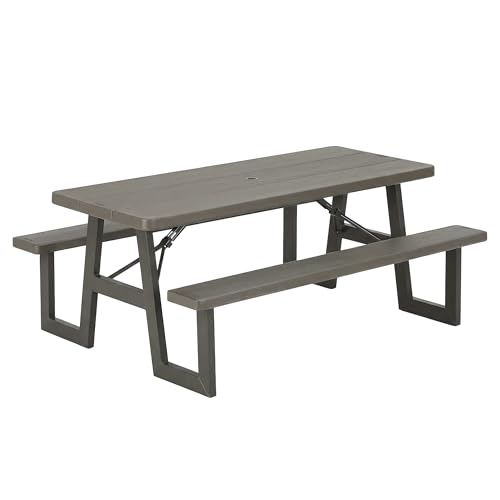
- A-frame tables — the classic angled-leg silhouette with two attached benches. Stable, spacious, and the most common backyard format.
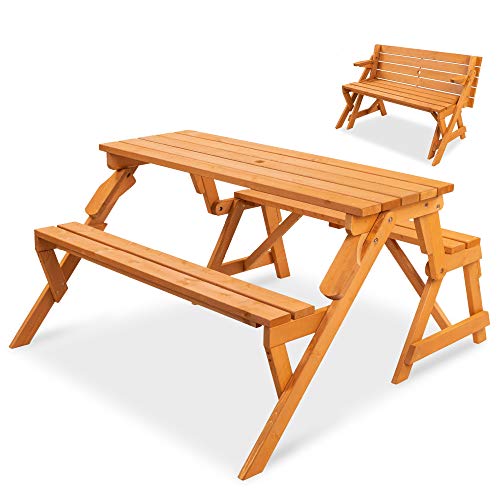
- Convertible tables — benches fold or slide under the table to create a compact bench or a narrow console. Great for tight spaces. Explore bench that folds out into a picnic table and bench that turns into a picnic table options.
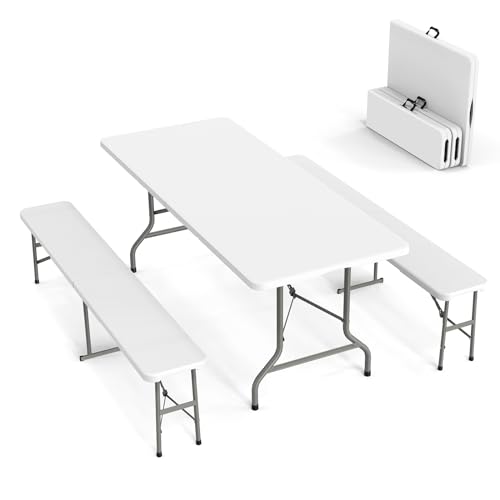
- Folding and portable tables — aluminum or resin frames that collapse flat for storage or transport. The go-to choice for camping, tailgating, and renters.
If you're comparing formats side by side, a bench that makes into a picnic table is worth a look — the dual-purpose design suits smaller yards where every piece of furniture needs to earn its space.
Sizes and Seating Capacity
Seating capacity is the first practical filter. Most buyers underestimate how much room eight people actually need — elbows, plates, and serving dishes included. Use this general sizing framework as a starting point:
| Seating Capacity | Typical Table Length | Best For | Footprint Notes |
|---|---|---|---|
| 4 seats | About 4 feet | Balconies, small patios, couples | Fits tight corners; folding versions store flat |
| 6 seats | About 6 feet | Standard family backyard | Most versatile size; good balance of space and seating |
| 8 seats | About 8 feet | Large families, entertaining | Needs open lawn or wide deck; consider a fixed location |
| 10+ seats | 8 feet and longer | Event seating, community areas | Heavy-duty or commercial-grade frames recommended |
Beyond length, check the tabletop width. A 30 to 32 inch top gives comfortable room for plates and serving platters. Narrower tops — often found on folding models — work well for casual use but feel crowded at mealtime. Also account for the bench overhang: the full footprint of an A-frame bench picnic table extends beyond the tabletop because the benches protrude outward.
For clearances, plan at least 24 inches of walking space around the entire unit, and more if the table sits beside a grill station or prep surface. If your outdoor setup also includes bar-height seating, our guide to bar-height outdoor table and chairs pairs well with a picnic table for a two-zone entertaining layout.
Frame and Tabletop Materials Compared
Material choice drives durability, maintenance, weight, and how the table behaves in sun, rain, and humidity. Here's the honest breakdown of the main options.
Wood (Cedar, Pine, Teak, Acacia)
Traditional look and warm feel. Teak and cedar resist rot naturally; pine and acacia need sealing. Wood is repairable and ages gracefully, but requires annual re-oiling or resealing to prevent cracking and graying. A long-term investment that rewards care.
Aluminum
Lightweight, rust-proof, and easy to move. Aluminum frames with powder-coated finishes hold up well in coastal and humid climates. The trade-off: surfaces can get hot in direct sun, and lightweight frames may shift in strong wind without anchoring.
Steel
Heavy-duty and very stable. High-grade steel with rust-proof coating delivers excellent longevity, especially for commercial-grade tables. Heavier to move and requires touch-up if the coating chips. Best for a permanent backyard location.
Resin / High-Density Polyethylene
Low maintenance, weather-resistant, and consistent in color — no fading or painting needed. Entry-level and mid-range resin tables are common; premium resin builds offer thicker panels and sturdier bracing. Won't rot, splinter, or rust.
Recycled Plastic
Eco-friendly and extremely durable. Mimics the look of painted wood without the upkeep. Heavier than aluminum but lighter than steel. A solid choice for homeowners who want a wood aesthetic with minimal maintenance.
Mixed Materials
Aluminum frames with wood-look tops, or steel bases with resin slats. These combine the stability of metal with the appearance of natural materials. Check that mixed-material joints are reinforced and that the finish is rated for outdoor exposure.
In humid climates or near the coast, prioritize rust-proof finishes and rot-resistant materials. Our guide to the best outdoor furniture for hot climates covers heat and humidity considerations in more detail. If you're weighing wood against synthetic options across your whole patio, the wood furniture care guide and resin and plastic overview give useful context.
Market Tiers: Entry-Level to Commercial-Grade
Bench picnic tables are available across a wide spectrum of build quality. Rather than thinking in numbers, it helps to understand what each tier typically delivers — so you can match the table to how hard it will be used.
| Tier | Typical Build | Best For | Durability Outlook |
|---|---|---|---|
| Entry-Level | Thinner resin panels or lighter aluminum frames; simple folding mechanisms | Occasional use, renters, camping | Good for light seasonal use; expect some flex under heavy loads |
| Mid-Range | Solid wood or reinforced resin; powder-coated steel hardware; smoother folding joints | Family backyards, regular dining | Balanced tier — sturdy enough for daily use with basic care |
| Premium | Teak or cedar, high-grade steel, thick resin panels; reinforced bracing and hardware | Heavy use, permanent setups, entertaining | Long-term investment; maintains structure and finish with routine maintenance |
| Commercial-Grade | Heavy-duty steel or thick recycled plastic; anchored or weld-reinforced frames | Parks, community areas, high-traffic spaces | Professional-grade durability; designed for constant use and public exposure |
Mid-range models usually offer the best balance for a typical backyard: smoother folding mechanisms than entry-level builds, sturdier joints, and finishes that hold up across multiple seasons. Premium and commercial-grade tables make sense when the table will stay in one spot and see near-daily use.
Key Buying Factors to Check Before You Choose
1. Frame Stability and Leg Design
An A-frame leg configuration is the most stable for fixed picnic tables, especially on uneven lawn. Look for cross-bracing under the tabletop and at the bench supports. Folding models should lock firmly in the open position — test this in person if possible, or read reviews that mention wobble.
2. Umbrella Compatibility
If you plan to add shade, confirm the table has a pre-drilled umbrella hole and that the hole is centered. Many picnic tables include this feature; some do not. If you're building a shaded dining zone, a table and chairs with umbrella hole offers a complementary option for bar-height setups. Pair the picnic table with a proper large patio umbrella and a weighted base for wind resistance.
3. Portability and Storage
Folding picnic tables collapse flat, making them ideal for garages, sheds, and apartments. Fixed A-frame tables are meant to stay in place. Decide upfront whether the table needs to move seasonally or travel to campsites. For extra seating near the table, a dedicated bench for a tree or a bench swing can extend the gathering space without duplicating the dining function.
4. Surface Finish and Slat Design
Slatted tops drain rainwater and dry faster than solid tops. Gaps between slats should be wide enough to prevent standing water but narrow enough to keep cups and plates stable. On wood tables, check that the finish is UV-resistant. On metal tables, confirm the coating covers joints and edges, where rust typically starts.
5. Weight Capacity and Reinforcement
Bench seats endure repeated loading — sitting, standing, and shifting. Look for reinforced bench brackets and thick seat panels. Mid-range and premium builds typically publish weight capacities; use these as a guide rather than an absolute limit, and anchor the table if it sits on a deck.
6. Safety and Edging
Rounded or eased edges reduce injury risk, especially with children. Check for pinching hazards on folding mechanisms and ensure locking tabs are clearly marked. For family use, our kid-friendly patio guide covers additional setup considerations.
Placement and Setup Tips
Where the table goes matters as much as which table you choose. A few practical guidelines:
- Level the ground first. Uneven lawn or pavers cause rocking and stress the frame. Use shims or set the table on a level patio surface.
- Leave room for serving. Plan walking clearance on at least one long side for serving and clearing plates.
- Think about sun path. Position the table so the umbrella shades the seating during your main meal hours, not just midday.
- Keep it away from heat sources. If your patio includes a fire pit, maintain safe clearance. See our guide to large fire tables for spacing recommendations.
- Anchor on decks. On elevated surfaces, anchor the table or choose a folding model you can bring inside during storms.
If your yard has multiple gathering zones, pairing a picnic table with other seating — a bench for dining room repurposed outdoors, or a bar outdoor seating arrangement — creates a flexible layout for different group sizes.
Care and Maintenance Basics
Routine care is simple and pays off in longevity:
- Wood: Clean with mild soap and water, then reseal or re-oil annually. Sand minor surface damage before refinishing.
- Metal: Wipe down regularly and touch up any coating chips promptly to prevent corrosion.
- Resin and recycled plastic: Wash with soap and water; avoid abrasive pads that dull the finish.
- Hardware: Check bolts and folding joints each season and tighten as needed.
- Winter: Cover or store folding tables; for fixed tables, a fitted cover reduces freeze-thaw stress. Our patio furniture covers guide and winter storage guide walk through the details.
Frequently Asked Questions
What size bench picnic table seats eight people?
An eight-seat bench picnic table is typically about 8 feet long and 30 to 32 inches wide, with bench seating on both long sides. Six-seat models usually run 6 feet, while four-seat tables run about 4 feet.
Is a wooden or metal bench picnic table better for a backyard?
Wood delivers a traditional look, warmth, and easy repairability, but needs resealing. Metal and aluminum builds are lighter, resist rot, and suit humid or coastal climates, though they can get hot in direct sun. Resin and high-density polyethylene sit in between: low maintenance, weather-resistant, and consistent in color.
Do bench picnic tables need to be anchored?
Fixed-leg tables benefit from anchoring on windy decks or open lawns. Folding tables should be folded and stored when strong winds are forecast. Anchoring kits, ground stakes, or weighted bases reduce tipping risk on elevated surfaces.
Can a bench picnic table fit on a small patio or balcony?
Yes, folding and collapsible four-seat models fit compact patios and balconies. Measure the full footprint including bench overhang, and leave at least 24 inches of clearance on all sides for seating and movement.
Are convertible bench picnic tables as sturdy as fixed A-frame tables?
Convertible designs rely on hinges and locking mechanisms, so sturdiness varies by build tier. Mid-range and premium convertible models with reinforced joints perform well for regular use. Entry-level convertible tables are best for occasional or light use.
Ready to Choose Your Bench Picnic Table?
Use the guide above to shortlist the right size, material, and tier for your space. Then browse recommended models to compare features and find the one that fits your backyard.
Explore Options