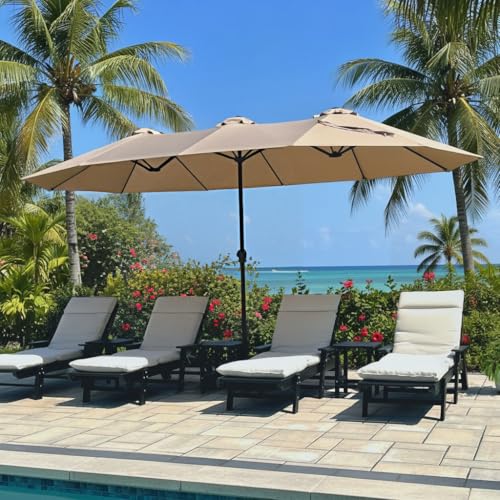
Big Umbrella for Patio: Shade That Actually Covers Your Space
Choosing a large patio umbrella is less about canopy bragging rights and more about matching coverage, wind behavior, and base stability to the way you actually live outdoors. This guide walks through sizing math, frame types, fabric choices, and setup so you buy once and shade well.
Start With SizingWhy a dedicated guide matters: A big umbrella for patio use is one of the few outdoor purchases where getting the dimensions wrong is immediately obvious — either the sun still finds your seat, or the canopy overwhelms the table. The details below help you avoid both outcomes and choose a model that stays stable through a normal season of use.
Why a Big Umbrella for Patio Deserves Careful Selection
A large canopy does more than block glare. It can extend the usable hours of a dining table, protect upholstery from direct sun, and make a lounge zone comfortable well into the afternoon. But scale cuts both ways: the bigger the canopy, the more leverage it creates in a breeze, and the more important the frame, venting, and base become.
Homeowners researching this category usually already know they want shade — the open questions are about diameter, pole placement, and how the umbrella interacts with existing furniture. The sections below answer those questions in order, starting with the measurements that drive everything else.
If your patio includes bar-height seating, it helps to coordinate the umbrella with the table itself. Our guide to a bar height outdoor table with umbrella hole covers how pole clearance and canopy height work at counter and bar levels, which is a common mismatch point.
Sizing a Big Patio Umbrella: The Measurement Rules That Matter
The most reliable sizing approach is to work outward from your table or seating footprint rather than picking a canopy diameter first. A canopy should overhang the table edge by roughly two feet on each side to shade the people seated around it, not just the tabletop.
Quick sizing reference
Round table up to 48 inches: a 9-foot canopy is a common fit.
Round table around 60 inches: a 9-foot to 10-foot canopy generally covers the seating ring.
Round table 66 to 72 inches: an 11-foot canopy is the usual starting point.
Lounge or sectional zone: measure the shaded rectangle you want, then choose a rectangular or cantilever model that covers it without blocking walkways.
Height clearance: the lower canopy edge should sit comfortably above head height when people stand near the table — typically around 6.5 to 7 feet at the valance.
For rectangular tables, a rectangular canopy often shades more useful area per square foot than a round one, because it follows the table's long axis. Round canopies remain the default for round and bistro-style tables. Either way, verify the umbrella hole diameter and the pole thickness before ordering — a mismatched pole and hole is one of the most common fit problems in this category.
If you are still deciding on the table itself, the bar height outdoor table and chairs with umbrella hole overview shows how hole placement affects canopy centering, which is useful context even for standard-height setups.
Market, Cantilever, and Offset: Which Big Umbrella Fits Your Patio
Frame type determines where the pole sits, how the canopy moves, and how much weighted base you will need. Most large umbrellas fall into three practical families.
- Market umbrellas use a central pole that passes through the table or a freestanding base. They are straightforward to open, easy to store, and typically offer the widest selection of canopy shapes and colors. Their main limitation is that the pole occupies the center of the seating area.
- Cantilever (offset) umbrellas support the canopy from a side arm, leaving the space beneath completely open. Many rotate a full 360 degrees and tilt, which makes them excellent for repositioning shade through the day. They need a heavier base and more clearance behind the seating zone.
- Dual-canopy and extra-large models use two vents or an oversized single canopy to shade long tables or wide lounge setups. These are the most wind-sensitive category and benefit most from venting and a properly rated base.
For patio layouts built around bar-height furniture, a cantilever often works better because the pole does not fight the table. The bar height patio dining set with umbrella hole guide illustrates the standard through-table approach, while cantilever models suit setups where the table has no center hole.
Canopy Fabric, Frame Material, and Weather Resistance
The canopy fabric is what you see, but the frame and hub are what determine how long the umbrella survives. Look at both before committing.
- Solution-dyed acrylic is the premium fabric choice: color is set into the fiber, so it resists fading and holds up well against mildew when cleaned. It is the standard for high-end tier canopies.
- Coated polyester is the mid-range workhorse. Good water repellency and UV treatment make it a solid choice for the tier, though color life is typically shorter than solution-dyed acrylic.
- Aluminum frames resist rust and keep weight manageable. Powder-coated finishes add durability.
- Steel frames are heavier and often found in entry-level and mid-tier models. Check for rust-proof finishes, especially at joints and the hub.
- Wood frames suit traditional and coastal looks; they require more seasonal care and are best for sheltered patios.
A vented canopy is more than a style detail. Vents let hot air escape and reduce the sail effect in gusts, which directly improves stability on a large umbrella. Crank and tilt mechanisms should feel smooth when you test them; a stiff crank on a large canopy tends to get worse over time.
Fabric care and frame maintenance overlap with the broader routine in our weatherproofing guide, which is worth a read before your first full season with a large canopy.
Comparing Tiers: What Changes as You Move Up the Market
The table below uses consistent tier descriptors rather than figures, so it stays useful regardless of when you read it. Use it to align expectations with the category you are shopping in.
| Tier | Best For | Typical Frame & Fabric | Wind & Base Notes |
|---|---|---|---|
| Entry-level | Occasional shade, sheltered patios, small tables | Steel frame with powder coating; coated polyester canopy | Needs a weighted base; close during breezy afternoons |
| Mid-range | Everyday family use, dining sets up to 10 feet | Aluminum frame; higher-grade polyester or acrylic blend | Vented canopy; crank and tilt mechanisms smoother |
| Premium | Full-season patios, cantilever setups, larger canopies | Reinforced aluminum; solution-dyed acrylic | Wind-tested frame; heavy or ballasted base recommended |
| Luxury / commercial-grade | Hospitality use, exposed patios, oversized canopies | Marine-grade aluminum or hardwood; premium acrylic | Engineered for higher wind ratings; professional base systems |
Base Weight, Anchoring, and Wind Behavior
A big canopy turns a light breeze into meaningful force at the pole, which is why base selection deserves as much attention as the canopy itself. Two rules cover most situations: match the base rating to the canopy size, and use ballast or anchoring when the manufacturer specifies it.
- Market umbrellas usually accept a plate or cross base; many designs allow sand or water ballast. A heavier base is not optional on a large canopy.
- Cantilever umbrellas rely on a wide, weighty base because the arm multiplies leverage. Cross bases with removable weights are common, and some models can be bolted to a deck or paved surface.
- Table-mounted setups depend on the table's own weight and stability. Never mount a large canopy in a lightweight table during windy seasons.
During high-wind forecasts, close the umbrella and secure the canopy with a tie. Even wind-tested models are not meant to stay open through storms. If your patio is exposed, a cantilever with a rated base and a vented canopy is usually the safer layout choice, and pairing it with a stable seating anchor point helps.
For arrangements where the umbrella shares space with a fire feature, the bar height outdoor dining table with fire pit guide covers spacing and heat clearance considerations that apply to any large shade structure nearby.
Placement: Where the Umbrella Should Sit on Your Patio
Placement decisions usually come down to three checks: clearance for walkways, rotation room for cantilever arms, and the sun's path at the hours you use the patio most. Sketch the footprint before ordering, then verify the canopy's swing radius if it rotates.
- Keep at least a comfortable walking gap between the canopy edge and doors, steps, and grill zones.
- For cantilever models, confirm the arm can rotate without striking walls, railings, or planters.
- Observe where afternoon sun lands on the seating area; shade shifted a few feet often matters more than an extra foot of diameter.
- If the patio doubles as a dining and lounge space, a single large umbrella positioned between zones can sometimes cover both — measure before assuming it will.
Bar-height layouts benefit from a dedicated look at height clearance. The bar height outdoor table with umbrella hole reference explains how the canopy edge interacts with taller seating, which prevents the common problem of a valance sitting too low over bar stools.
Setup and Seasonal Care Checklist
- Assemble the frame on a flat surface and confirm the hub opens smoothly before attaching the canopy.
- Seat the canopy fully in the frame pockets and check that vents are unobstructed.
- Install the base per the manufacturer's instructions; add ballast if specified for your canopy size.
- Test the crank, tilt, and rotation mechanisms through their full range.
- Clean the canopy with mild soap and water; avoid abrasive cleaners on coated fabrics.
- Allow the canopy to dry fully before closing and storing for extended periods.
- Inspect straps, hubs, and bolts at the start of each season; tighten as needed.
- Store or cover the umbrella during off-season months to extend fabric life.
These habits pair well with the furniture maintenance routine in our outdoor care section, particularly if your patio includes wood or wicker pieces that also need seasonal attention.
Frequently Asked Questions
What size big umbrella do I need for a patio table?
As a general rule, the canopy should extend at least two feet beyond the table edge on all sides. A 9-foot canopy suits a standard 60-inch round table, while an 11-foot canopy fits larger 72-inch tables and lounge zones. Measure the table and seating footprint before choosing a diameter.
Are cantilever umbrellas better than market umbrellas for big patios?
Cantilever umbrellas keep the space beneath the canopy free of a center pole and often rotate to follow the sun, which suits lounge and bar-height layouts. Market umbrellas are simpler and typically fit through a table's umbrella hole. The better choice depends on your layout, wind exposure, and whether you need flexible repositioning.
How much wind can a large patio umbrella handle?
Most large umbrellas are rated for light to moderate breezes when secured with a weighted base and a vented canopy. Commercial-grade and wind-tested models tolerate more. During storms or high-wind forecasts, always close and secure the canopy.
What fabric is best for a big outdoor umbrella?
Solution-dyed acrylic is the premium choice for fade and mildew resistance. Coated polyester is a solid mid-range option with good water and UV treatment. Vented canopies improve airflow and stability regardless of fabric.
Do I need a special base for a large umbrella?
Yes. Larger canopies create more leverage, so a heavier, wider base is essential. Cantilever models often use a cross-style base with sand or water ballast, while market umbrellas need a weighted base or a sturdy table with an umbrella hole. Always match the base rating to the canopy size.