Bench Swing Buying Guide: Choosing the Best Outdoor Swing
Everything you need to know about frames, materials, comfort, and placement before you choose a bench swing for your patio or garden.
START EXPLORINGWhy a bench swing deserves careful consideration: A bench swing is more than a seat—it is an invitation to slow down. Whether you are outfitting a porch, a garden corner, or a shaded patio, the right swing bench blends comfort, structure, and style. This guide walks you through the decisions that matter most so you can choose with confidence.
What Is a Bench Swing and Who Is It For?
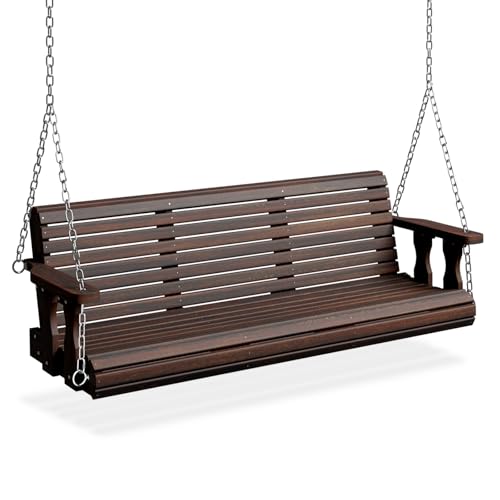
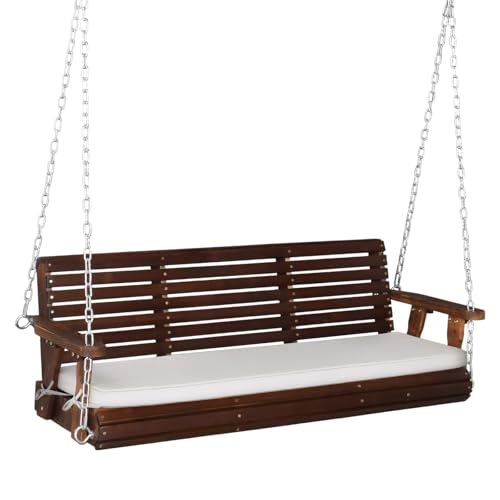
A bench swing is a suspended seating piece designed for two or more people, typically hung from a frame, porch ceiling, or sturdy tree branch. Unlike a simple bench for a tree, a bench swing adds gentle motion that turns a quiet corner into a favorite gathering spot. It suits homeowners who want a relaxed focal point in a garden, a welcoming front porch, or a shaded patio retreat.
Bench swings come in several configurations: freestanding models with their own A-frame or arch support, hanging models that attach to an existing structure, and convertible designs. Some shoppers even explore bed swings when they want a larger lounging surface, though a standard bench swing remains the most versatile choice for everyday seating.
Key Factors When Choosing a Bench Swing
1. Frame Type and Support Structure
The frame determines where and how you can install your swing. Freestanding frames offer placement flexibility and often include a canopy, while hanging frames depend on a porch beam, pergola, or reinforced branch. Check the weight capacity and anchoring requirements before committing to a location.
2. Material and Weather Resistance
Materials range from powder-coated steel and aluminum to wood, wicker, and resin. High-grade steel with a rust-proof finish suits humid climates, while treated wood brings warmth and a classic look. Cushions and canopy fabrics should be fade-resistant and quick-drying for year-round comfort.
3. Seating Comfort and Dimensions
Measure your space and consider how many people will use the swing regularly. Two-seat models are the most common, but three-seat designs exist for larger families. Look for contoured seats, adjustable canopy angles, and removable cushions that are easy to clean.
4. Suspension and Hardware
Chains, ropes, and straps each behave differently. Chains are durable and adjustable, ropes offer a softer aesthetic, and straps provide a clean modern look. Confirm that all hardware—hooks, bolts, and spring clips—is rated for outdoor use and matches the swing's weight capacity.
5. Placement and Anchoring
Choose a spot with level ground and adequate clearance for the swing's arc. Avoid overhead obstructions and ensure the anchor point is structurally sound. For patio settings, a freestanding frame pairs well with nearby bar-height patio set arrangements to create a cohesive outdoor living zone.
Bench Swing Tiers at a Glance
Use this tier framework to compare options based on construction quality and intended use. Tiers reflect relative market positioning, not absolute figures.
| Tier | Typical Construction | Best For |
|---|---|---|
| Entry-level | Lightweight metal frame, basic fabric canopy, simple chain suspension | Occasional use, renters, seasonal setups |
| Mid-range | Reinforced steel or treated wood frame, thicker cushions, adjustable canopy | Everyday family use, porch or patio centerpiece |
| Premium | Heavy-duty welded frame, all-weather cushions, smooth-glide hardware | Frequent use, exposed locations, long-term placement |
| Luxury / commercial-grade | Architectural frame design, premium fabrics, professional installation hardware | Design-focused landscapes, hospitality settings, high-traffic use |
Mid-range models usually offer smoother suspension and better cushion support than entry-level options, while premium and luxury tiers focus on longevity and refined finishes. Matching the tier to your climate and usage frequency is the most reliable way to choose well.
Placement Ideas That Elevate Your Outdoor Space
A bench swing can anchor several types of outdoor rooms. Consider these placements:
- Garden retreat: Nestle the swing among flowering shrubs for a private reading nook.
- Front porch welcome: Position the swing facing the street to greet guests and enjoy evening views.
- Patio lounge zone: Pair the swing with a bar-height patio table for a layered seating arrangement.
- Shaded pergola: Hang the swing beneath a pergola to extend usable hours during warm afternoons.
If your patio already includes a bistro set, adding a bench swing creates a natural transition between dining and relaxation zones. For larger gatherings, coordinate with a bar-height patio set with swivel chairs so guests can move comfortably between seating areas.
Maintenance Tips for Long-Lasting Enjoyment
Protecting your bench swing extends its usable life and keeps it looking its best:
- Inspect chains, ropes, and anchor points at the start of each season.
- Clean cushions and canopy fabric according to the manufacturer's guidance.
- Apply a weather-resistant coating to wooden frames as needed.
- Store removable cushions during extended periods of harsh weather.
- Tighten hardware periodically to prevent loosening from motion.
Ready to Compare Bench Swing Options?
Explore curated bench swing selections and read detailed feature comparisons to find the right fit for your outdoor space.
Explore OptionsFrequently Asked Questions
How much weight can a bench swing hold?
Capacity varies by model and frame type. Entry-level swings often support two adults, while premium and commercial-grade frames may support three or more. Always check the manufacturer's stated capacity before use.
Can a bench swing be installed on a patio?
Yes. Freestanding frames are designed for patios and decks, requiring no overhead anchor. Hanging models can be mounted beneath a pergola or porch beam if the structure is rated for the load.
What material is best for humid climates?
Powder-coated steel and aluminum frames with rust-proof finishes perform well in humid conditions. Quick-drying, fade-resistant fabrics for cushions and canopies further improve durability.
How much clearance does a bench swing need?
Allow at least two feet of clearance behind and in front of the swing's resting position so it can move freely without contacting walls, furniture, or plants. Check the swing's arc before finalizing placement.
Do bench swings come with canopies?
Many freestanding models include an adjustable canopy for shade, while hanging models often omit a canopy to preserve a traditional porch look. Canopy availability varies by design and tier.