Front Porch Swing: The Complete Buying Guide
Everything you need to choose a porch swing that fits your home, your lifestyle, and your idea of comfort. Compare materials, hanging systems, and design styles before you commit.
VIEW RECOMMENDED OPTIONSWhy a porch swing matters: A front porch swing is more than seating. It shapes the first impression of your home, invites conversation, and creates a slow-living moment at the start and end of every day. Because a swing stays outdoors year-round and carries the weight of multiple people, choosing the right build quality and hanging method is essential.
What Makes a Great Front Porch Swing?
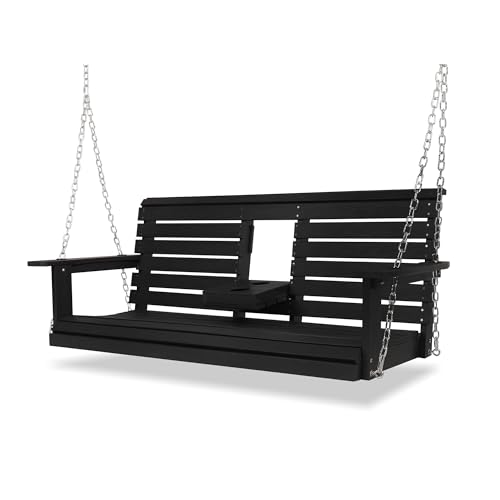
A front porch swing combines a suspended seat frame with a backrest and armrests, hung from a porch ceiling or a freestanding frame. The best models balance three factors: structural integrity, hanging compatibility, and long-term weather resistance. A swing that is well-built but poorly hung is unsafe, and a swing that is beautifully styled but made from untreated materials will degrade within a few seasons.
Before shopping, measure your porch depth, ceiling height, and beam spacing. Confirm whether your porch structure can support a suspended load, or whether a freestanding frame is the safer route. If you are still furnishing the rest of the space, our front porch furniture guide explains how a swing fits alongside benches, rockers, and side tables.
Types of Front Porch Swings
Swing designs fall into a few recognizable categories. Each serves a different porch layout and comfort preference. The tier labels below describe market positioning, not any specific figure.
Traditional Slat-Back Swing
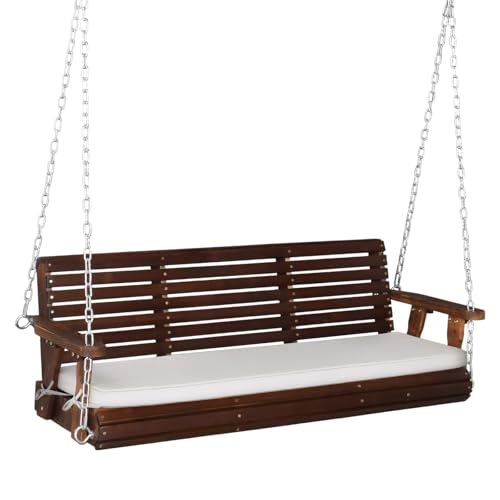
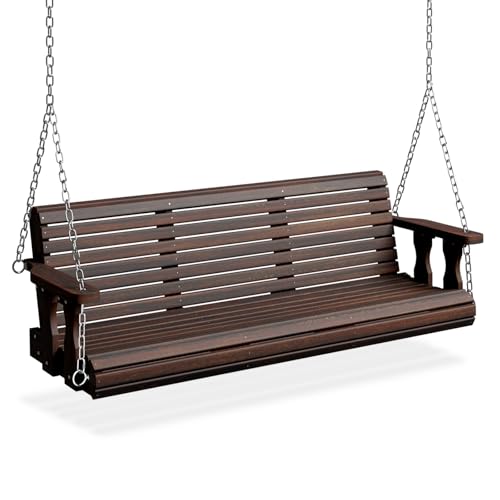
The classic wooden slat design with a curved back and armrests. Straightforward construction, easy to hang, and well-suited to covered porches. Best for first-time buyers who want a recognizable, timeless look.
Cushioned Bench Swing
Adds a padded seat and back cushion over a rigid frame. Comfort is noticeably higher for longer sitting sessions. Choose models with removable, weather-resistant cushion covers for easier maintenance.
Glider Porch Swing
Uses a mechanical gliding track instead of chains. Motion is smoother and quieter, and the footprint stays consistent. A solid choice for porches where chain sway would be awkward or noisy.
Freestanding Swing Frame
Pairs a swing with a self-supporting A-frame or arc frame. No ceiling attachment is needed, making it viable for open decks and patios. Heavy-duty models are the most stable option for uneven surfaces.
Two-Seater with Canopy
Includes an integrated fabric canopy or roof for shade and light rain protection. Useful on porches with limited overhead cover. Look for reinforced canopy frames and UV-resistant fabric.
Daybed & Lounger Swing
A wider, deeper swing that functions as a daybed. Requires generous porch depth and a strong anchor point. Best for large, covered porches where relaxation is the primary goal.
Porch Swing Materials Compared
Material choice determines how often you need to maintain the swing and how long it will last. The table below compares the most common options across durability, upkeep, and the type of porch each suits best.
| Material | Best For | Maintenance Level | Notes |
|---|---|---|---|
| Pressure-treated pine | Entry-level and starter tier | Moderate — seal or stain annually | Solid build at a lower tier; check for smooth sanding and sealed end grain. |
| Cedar & cypress | Mid-range and premium | Low to moderate | Naturally rot-resistant; ages gracefully with an occasional oil treatment. |
| Teak | High-end tier and luxury | Low | Dense, durable construction; develops a silver patina unless oiled. |
| Powder-coated steel | Mid-tier to premium | Low | Heavy-duty and stable; verify rust-proof finish at welds and joints. |
| Cast aluminum | Premium and luxury | Low | Ornate styling with rust-proof finish; lighter than cast iron yet sturdy. |
| Wicker & rattan (all-weather resin) | Mid-range | Low | Weather-resistant coating over a metal frame; inspect weave tightness. |
| High-density polyethylene (HDPE) | Entry-level and mid-tier | Very low | UV-stabilized, easy to clean, and resistant to moisture and insects. |
Hanging Systems & Safety Checks
The hanging method is the single most important safety factor. A properly installed swing distributes weight across structural beams, not just ceiling boards. Before hanging, confirm the following:
- The ceiling beam or joist is structurally rated to support the combined weight of the swing and its occupants.
- Mounting hardware is rated for outdoor use and is appropriate for the swing's weight class.
- Chains or straps are evenly matched in length so the seat hangs level.
- There is adequate clearance from railings, posts, and walls for a comfortable swing arc.
- Anchors are inspected seasonally for looseness, rust, or wear.
- If ceiling attachment is not possible, a freestanding frame is used instead of improvised supports.
If you are building a custom frame or reinforcing a porch beam, our DIY build reference guide covers structural planning principles that apply to suspended loads as well.
Sizing and Placement on Your Porch
A two-seater swing typically requires a porch depth of at least five feet to allow a comfortable swing arc, while wider daybed models need considerably more clearance. Measure from the wall to the railing and subtract the swing's arc. Leave walking space on at least one side so the swing does not block the path to the door.
Placement also affects how often you use the swing. Positioning it near the front entry encourages daily use, while a spot at the far end creates a quieter reading nook. For complementary seating arrangements, browse our front porch chair ideas and front porch bench guide to build a cohesive layout.
Cushions, Comfort, and Year-Round Care
Comfort depends on more than cushion thickness. Look for high-resilience foam that rebounds after sitting, and covers made from solution-dyed acrylic or similar UV-resistant fabrics. Removable covers that zip off for cleaning extend the usable life of the swing significantly.
In wet or humid climates, choose quick-drying cushions and store them during heavy rain. For wooden swings, apply a sealant or oil at the start of each season and touch up any worn spots. Metal frames benefit from a rinse and dry-down after exposure to salt or heavy moisture. Following a simple seasonal routine keeps the swing comfortable and structurally sound for years.
Front Porch Swing Buying Checklist
- Measure the porch: confirm depth, ceiling height, and beam spacing before choosing a size.
- Verify weight capacity: check the rated load and compare it against the number of people who will use it.
- Match the hanging method: ceiling mount, chain kit, or freestanding frame — pick what your structure supports.
- Choose a material for your climate: prioritize rot resistance in humid areas and UV stability in sunny regions.
- Check the finish: look for sealed end grain on wood and rust-proof coatings on metal.
- Plan for cushions: confirm cushion availability and whether covers are removable and washable.
- Review the warranty: frame warranties are a useful indicator of expected lifespan within each tier.
Frequently Asked Questions
How do I know if my porch can support a swing?
Check that the swing will hang from a structural beam or joist rather than ceiling boards. If you are unsure about load capacity, consult a qualified contractor. A freestanding frame is the safest alternative when ceiling attachment is not confirmed.
What is the difference between a porch swing and a glider?
A porch swing hangs from chains or straps and moves in a pendulum arc. A glider sits on a mechanical track and moves back and forth in a fixed path. Gliders are quieter and need no overhead anchor; swings offer a more traditional feel.
Which material lasts longest outdoors?
Teak and high-grade aluminum are among the most durable options, both requiring minimal maintenance. Cedar and all-weather resin are strong mid-range choices. Pressure-treated pine is a solid entry-level option when properly sealed.
Can a porch swing stay outside in winter?
Most weather-resistant swings can remain outdoors, but cushions should be stored or covered. Wooden swings benefit from a fresh sealant before winter, and metal hardware should be inspected for rust after the cold season.
How much clearance is needed behind a swing?
Allow enough space for the swing to arc without contacting the wall or railing. A depth of roughly five feet from wall to railing is a common baseline for a two-seater, with more room recommended for larger models.
Ready to Choose Your Porch Swing?
Compare recommended front porch swings across styles, materials, and hanging options. Each selection is organized by tier so you can match a swing to your porch structure and comfort needs.
EXPLORE RECOMMENDED SWINGS