Folding Patio Chairs: The Complete Buying Guide
Everything you need to know about choosing portable, space-saving outdoor seating — materials, comfort, durability, and design.
START EXPLORINGFolding patio chairs are one of the most practical investments for any outdoor space. Whether you host weekend gatherings, enjoy quiet mornings on the balcony, or need seating that disappears when the season ends, a well-chosen folding chair delivers comfort without permanent footprint. This guide breaks down the materials, mechanisms, and design features that separate a chair you will use for years from one that sits unused in the garage.
In This Guide
Why Folding Patio Chairs Make Sense
Not every outdoor space can accommodate a full dining set. Folding chairs solve a specific set of problems: they store flat, move easily between locations, and can be brought out only when needed. For renters, apartment dwellers, and anyone with a compact patio or balcony, they are often the most sensible seating choice.
- Space efficiency: Fold flat for closet, garage, or under-furniture storage during off-season.
- Portability: Carry to the beach, campsite, tailgate, or simply rearrange your patio layout in seconds.
- Flexible seating: Add extra chairs for guests without committing to permanent furniture.
- Seasonal rotation: Swap styles with the seasons — lightweight chairs are easy to move in and out of storage.
- Easy cleaning: Many designs have fewer crevices and can be hosed down or wiped quickly.
- Rental-friendly: No installation, no permanent fixtures, no landlord concerns.
Key Buying Factors for Folding Patio Chairs
Before comparing specific models, understand the variables that matter most. A chair that folds is only as good as its frame, its folding mechanism, and the seat material. Focus on these four areas and you will narrow the field quickly.
1. Frame Construction
The frame determines weight capacity, stability, and longevity. Aluminum is lightweight and rust-resistant — ideal for humid climates and frequent transport. Steel is heavier and stronger but requires a rust-proof finish to survive outdoor exposure. Wood frames (teak, eucalyptus, acacia) offer classic style but need periodic sealing. Resin and plastic frames are the lightest option and resist moisture well, though they may flex under heavier users.
2. Folding Mechanism
Entry-level chairs often use a simple pin-and-hinge system. Mid-range models add locking latches that prevent accidental collapse. Premium folding chairs use smooth scissor mechanisms with reinforced pivot points and self-locking joints. Test the fold and unfold action — it should be fluid, with no binding or sharp edges. A good mechanism clicks firmly into place and releases with one hand.
3. Weight Capacity and Stability
Check the stated weight capacity on the product listing. A stable chair has a wide base, non-slip feet, and cross-bracing. Chairs with arms tend to feel more secure when standing up. For heavier users or windy locations, look for reinforced joints and a lower center of gravity.
4. Seat and Back Material
Fabric slings (textilene, mesh) breathe well and dry fast. Solid surfaces (wood, resin) are easier to wipe clean. Padded seats add comfort but trap moisture if left in rain. Consider how you will use the chair: a beach chair needs quick-drying fabric; a balcony chair can accommodate a cushion.
Materials & Durability Comparison
Each material has trade-offs. The table below summarizes how common folding chair materials perform across key criteria.
| Material | Weight | Weather Resistance | Maintenance | Best For |
|---|---|---|---|---|
| Aluminum | Very light | Excellent (rust-proof) | Low | Frequent transport, humid climates |
| Powder-coated Steel | Moderate to heavy | Good (if coating intact) | Moderate — inspect for chips | Permanent patio setup, heavy use |
| Teak / Eucalyptus | Heavy | Good with sealing | Moderate — oil annually | Classic aesthetics, covered patios |
| Resin / Plastic | Light | Excellent (UV-treated) | Very low | Casual use, poolside, families |
| Textilene / Mesh Fabric | Light | Excellent (quick-dry) | Low — wipe or hose | Beach, camping, sunny exposure |
Quality Tiers Explained
Rather than anchoring to specific brands, it helps to understand where a chair sits in the market. The three tiers below describe relative build quality and intended use — not absolute performance.
| Tier | Typical Characteristics | Folding Mechanism | Best For |
|---|---|---|---|
| Entry-level | Basic frame, thinner tubing, simpler welds, lighter fabric | Pin-hinge or simple latch | Occasional use, light transport, temporary seating |
| Mid-range | Reinforced joints, thicker frame, better fabric tension | Locking hinge with smooth action | Regular patio use, family gatherings, mixed indoor-outdoor |
| Premium | High-grade steel or aluminum, precision welds, premium sling material, refined finish | Self-locking scissor mechanism, one-hand operation | Frequent use, commercial-grade feel, long-term outdoor exposure |
Advantages of Folding Chairs
- Store flat and out of the way
- Easy to move between spaces
- Simple to clean and dry
- No assembly for most models
- Ideal for renters and small patios
Limitations to Consider
- Fewer cushion and upholstery options
- Hinges and joints wear over time
- Less plush than fixed lounge seating
- Some models feel unstable on uneven ground
- Wind can tip lighter chairs if left out
Comfort Features That Matter
A folding chair can be genuinely comfortable if you know what to look for. These are the design details that separate a chair you settle into from one you tolerate.
- Contoured seat pan: A slight curve supports the thighs and reduces pressure points.
- Flexible sling fabric: Textilene and mesh conform to your body while staying taut enough for support.
- Armrests: Not just for resting — they help you stand up safely and add structural rigidity.
- High back: Better neck and shoulder support for longer sitting sessions.
- Breathable materials: Mesh and sling fabrics stay cooler in direct sun than solid seats.
- Non-slip feet: Wider foot caps distribute weight and protect deck surfaces.
Styles & Use Cases
The right style depends on where the chair will live and how often it will move. Below are common folding chair profiles matched to their best use cases.
Classic Slat Folding Chair
Wood or resin slats on a folding frame. Lightweight, stackable, and familiar. Best for casual patio use, picnics, and extra seating. Folding patio chairs of this type are widely available and easy to maintain.
Folding Adirondack Chair
A full-size Adirondack profile that folds flat. Offers the iconic wide-arm, deep-seat comfort of a classic Adirondack with the storage convenience of a folding frame. Heavier than slat chairs, but far more comfortable for lounging. See our folding Adirondack chair guide for detailed comparisons.
Sling / Mesh Folding Chair
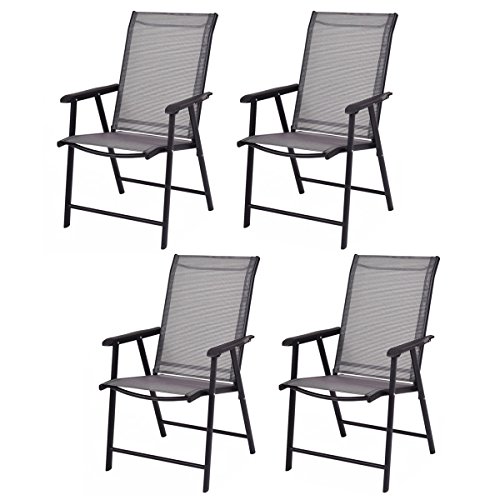
Fabric sling seat and back on an aluminum or steel frame. Quick-drying, breathable, and lightweight. Ideal for beach trips, camping, and poolside use. Pairs well with a folding beach chair setup for travel.
Bistro-Style Folding Chair
Compact, often metal, designed to pair with a small folding table. Great for balconies and small patios. If you are building a compact dining area, consider a folding bistro set that includes matching chairs and table.
Folding Rocking Chair
Combines the motion of a rocker with the storage benefits of a folding frame. Popular for porches and decks. Explore folding rocking chairs for models with smooth-glide mechanisms.
Folding Lawn & Deck Chairs
Traditional outdoor chairs with webbing or slats. Lightweight and easy to carry. Well suited to lawns, decks, and casual gatherings. Compare styles in our folding lawn chairs and folding deck chairs guides.
Care & Storage Tips
Folding chairs last longer when you protect the two wear points: the hinge mechanism and the frame finish.
- Clean hinges regularly: Dirt and grit accelerate wear. Wipe pivot points with a damp cloth and dry thoroughly.
- Lubricate sparingly: A small amount of silicone spray on metal hinges keeps them moving smoothly. Avoid oil-based lubricants that attract dust.
- Touch up paint chips: On powder-coated steel, exposed metal will rust. Use a matching touch-up paint to seal chips promptly.
- Store dry: Never fold and store a wet chair. Moisture trapped in the folded position accelerates corrosion and mildew.
- Use covers or indoor storage: During off-season, store chairs indoors or under a breathable cover. A furniture cleaner formulated for outdoor materials helps remove pollen and grime before storage.
- Check hardware seasonally: Tighten bolts, inspect welds, and test the locking mechanism at the start of each season.
Ready to Compare Folding Patio Chair Options?
Browse our curated selection of folding patio chairs across quality tiers — from essential entry-level models to premium high-end designs.
View Recommended Chairs