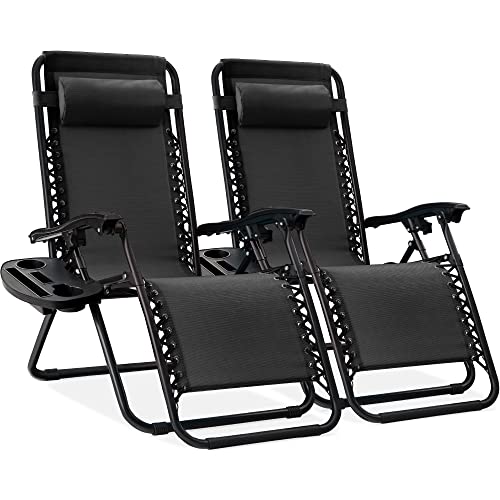
Folding Lounge Chairs: The Complete Buyer's Guide
Everything you need to know before choosing a portable lounger — frame materials, reclining mechanisms, fabric durability, portability, and how to match the right tier to your outdoor lifestyle.
Why folding lounge chairs matter: A folding lounger is one of the most versatile outdoor pieces you can own. It stores flat, moves easily between the deck and the lawn, and adapts to everything from sunbathing to reading. But not all folding loungers are built the same — the frame, fabric, and reclining system determine whether your chair lasts one season or many. This guide walks you through every decision point so you can buy with confidence.
What Is a Folding Lounge Chair?
A folding lounge chair is a portable reclining seat designed for outdoor relaxation. Unlike fixed patio loungers, these chairs collapse flat — usually via a scissor-hinge or accordion frame — so they can be carried, stacked, and stored with minimal footprint. Most models offer multiple recline positions, from an upright seated angle to a nearly flat sunbathing position.
The category overlaps with several related forms you may already be researching. If you want a dedicated sunbathing seat, a folding chaise lounge is the classic choice. For adjustable tension and a suspended feel, a folding zero gravity chair is worth exploring. And if you prefer a simple upright seat that still folds, a folding recliner chair covers that need. The common thread is portability without sacrificing comfort.
These chairs shine in mixed-use outdoor spaces. A single folding lounge chair for outdoor use can serve as a poolside sun seat in the afternoon and a stargazing recliner in the evening. Because they fold, they also suit renters and apartment dwellers who cannot leave furniture out year-round.
Types of Folding Lounge Chairs
Not every folding lounger serves the same purpose. Matching the type to your primary use case prevents regret later.
Folding Chaise Lounge
Flat-reclining, elongated seat ideal for sunbathing. Often features adjustable backrest and leg rest. Best for pools, decks, and lawns.
Zero Gravity Lounger
Suspended fabric on a curved frame that cradles the body in a weightless recline. Excellent for back support and long reading sessions.
Beach & Camp Lounger
Low-profile, lightweight frames with carry straps. Often include a face hole or pillow. Prioritizes portability over plush comfort.
Folding Recliner Chair
Seated recline with armrests. Bridges the gap between a patio chair and a lounger. Good for balconies and small decks.
If your patio doubles as a sun deck, a folding chair for laying out in the sun should be on your shortlist. If you frequently travel to the beach, a folding beach lounge chair or a model with a face hole will be far more practical than a heavy patio lounger.
Frame Materials Explained
The frame is the backbone of any folding lounger. It determines weight, durability, and how the chair behaves over repeated folding cycles.
Aluminum
Powder-coated aluminum is the gold standard for portable loungers. It resists rust, stays lightweight, and handles frequent folding well. Entry-level aluminum frames may use thinner tubing, while mid-range and premium models use reinforced joints and thicker gauge. Aluminum is the material to look for if you plan to move the chair often.
Steel
Steel frames are heavier but typically stronger. High-grade steel with a rust-proof finish is common in heavy-duty and commercial-grade loungers. If your chair will stay on a covered patio and rarely move, steel is a solid, durable choice. Avoid uncoated steel outdoors.
Wood
Wooden folding loungers exist but are less common. They offer a warm, classic look — think teak or acacia — but they are heavier and require more maintenance. Wooden folding chairs are best treated as semi-permanent patio furniture rather than travel pieces.
Resin & Plastic
Entry-level resin loungers are lightweight and weather-resistant but can become brittle under prolonged UV exposure. They suit occasional use and are a reasonable starter tier for renters or seasonal setups.
Quick Material Takeaway
For portability and rust resistance, choose aluminum. For maximum strength in a stationary spot, choose powder-coated steel. Avoid bare metal joints and thin plastic hinges if you want the chair to last multiple seasons.
Fabric & Comfort Considerations
The seat fabric takes the most abuse — sun, sweat, chlorine, and body weight. The right fabric keeps the chair comfortable and extends its usable life.
- Textilene / PVC-coated mesh: Breathable, quick-drying, UV-resistant. The most common choice for premium and mid-range loungers.
- Olefin / solution-dyed acrylic: Excellent fade resistance. Often found on high-end tier models.
- Polyester canvas: Durable but can fade faster. Common on entry-level and beach loungers.
- Padded cushioning: Adds comfort but retains moisture. Best for covered patios, not poolside.
Recline range also matters. A chair with only two positions limits versatility, while a multi-position or infinite-recline mechanism adapts to reading, napping, and sunbathing. Armrests and a headrest pillow are small details that make long sessions noticeably more comfortable. If you prefer a structured seat, consider a folding chaise lounge chair with a contoured backrest rather than a flat sling.
Quality Tiers: Entry-Level to Luxury
Because product quality varies widely, it helps to think in tiers rather than specific models. The tiers below describe relative market position and build quality — not any particular brand.
Entry-Level
Basic steel or resin frames, fewer recline positions, thinner fabric. Suitable for occasional use, renters, and seasonal setups.
Mid-Range
Aluminum or reinforced steel frames, multi-position recline, Textilene fabric. A solid choice for regular patio and pool use.
Premium
Thicker aluminum tubing, smoother reclining mechanisms, UV-resistant solution-dyed fabric, and better joint reinforcement.
Luxury
Heavy-duty or commercial-grade construction, precision hinges, ergonomic contouring, and long-term weather resistance.
Use these tiers as a filter. Mid-range models usually offer the best balance for typical homeowners, while luxury and commercial-grade loungers make sense for high-traffic patios or resort-style setups. If you want a deep recline at the balanced tier, look at a folding recliner chair; for a suspended feel, a zero gravity option is a strong pick.
Side-by-Side Tier Comparison
This table summarizes how the tiers differ across the factors that matter most. Use it to identify which tier matches your usage pattern.
| Tier | Frame | Recline | Fabric | Best For |
|---|---|---|---|---|
| Entry-Level | Basic steel or resin | 2–3 positions | Polyester canvas | Occasional use, renters |
| Mid-Range | Aluminum or reinforced steel | Multi-position | Textilene mesh | Regular patio & pool use |
| Premium | Thick aluminum, reinforced joints | Smooth multi-recline | Solution-dyed acrylic | Frequent use, sunny climates |
| Luxury | Commercial-grade, heavy-duty | Infinite / precision recline | Premium UV-resistant mesh | High-traffic patios, resorts |
One practical note: a mid-range model with a well-designed recline mechanism often feels more comfortable than an entry-level chair with extra padding. Prioritize the frame and hinge quality over cosmetic features.
Key Buying Factors Checklist
Before you commit, run through this checklist. It covers the details that separate a chair you love from one you regret.
- Weight capacity: Check the manufacturer's stated limit. Heavy-duty and commercial-grade models support higher loads.
- Folded dimensions: Measure your storage space. A flat-folding lounger should fit behind a door or in a closet.
- Carrying weight: If you move the chair often, lighter is better. Aluminum wins here.
- Recline mechanism: Test smoothness and locking reliability. Ratchet-style mechanisms are common on mid-range and premium chairs.
- Fabric breathability: Mesh fabrics dry faster and feel cooler in heat.
- Weather resistance: Powder-coated frames and UV-resistant fabric last longer outdoors.
- Foot caps and joints: Reinforced joints and non-marking feet protect both the chair and your deck.
If you are furnishing a deck rather than a lawn, you may also want to compare dedicated folding deck chairs and folding patio chairs for a more upright seating arrangement. For lounging specifically, the folding lounge chair remains the most flexible option.
Care & Storage Tips
Folding loungers last longer with minimal upkeep. A few habits make a real difference.
- Clean fabric regularly: Rinse with mild soap and water, then air-dry fully before folding.
- Lubricate hinges: A drop of silicone spray on moving joints keeps the recline smooth.
- Store dry: Never fold a wet chair. Moisture trapped in the frame accelerates corrosion.
- Winter storage: Bring chairs indoors or into a shed during freezing months to protect fabric and joints.
- Inspect joints seasonally: Tighten bolts and check for rust or fraying fabric before each season.
If your chair lives outdoors year-round, pair it with a breathable cover. Good care turns a mid-range chair into a long-term investment.
Frequently Asked Questions
What should I look for in a folding lounge chair?
Focus on frame material, weight capacity, recline positions, fabric durability, and portability features like carry handles or shoulder straps. A powder-coated aluminum frame with UV-resistant fabric generally delivers the best balance of durability and portability.
Are folding lounge chairs suitable for everyday patio use?
Yes, especially mid-range and premium models built with weather-resistant materials. Entry-level options are better suited for occasional use, while heavy-duty and commercial-grade models handle daily exposure to sun and rain.
How do I store folding lounge chairs during winter?
Clean and dry the chairs completely, fold them flat, and store them in a dry garage or shed. Use a breathable cover to prevent moisture buildup. Storing indoors significantly extends the lifespan of the frame and fabric.
Can folding lounge chairs support heavy adults?
Many top-tier and professional-grade folding loungers are rated for higher weight capacities thanks to reinforced steel or aluminum frames. Always check the manufacturer's stated weight limit before purchase, especially for heavy-duty use.