Folding Deck Chairs: The Complete Buying Guide
Everything you need to know about choosing portable, space-saving outdoor seating that combines comfort, durability, and convenience for your deck, patio, or balcony.
START YOUR RESEARCHWhy folding deck chairs deserve your attention: They solve one of the most common outdoor living challenges — maximizing seating without permanently sacrificing floor space. Whether you host occasional gatherings, live in a compact apartment, or simply want the flexibility to reconfigure your deck throughout the season, a well-chosen folding deck chair delivers the versatility that fixed furniture cannot match.
What Are Folding Deck Chairs?
Folding deck chairs are portable outdoor seats designed to collapse flat or compact when not in use. Unlike standard patio chairs that occupy fixed positions year-round, folding models let you store multiple seats in a closet, garage corner, or under a bench during off-season months — or quickly rearrange your layout when guests arrive.
The category spans a wide range of designs, from classic slatted wooden deck chairs to modern aluminum frames with breathable mesh fabric. The common thread is the folding mechanism: a hinged frame that locks open for seating and collapses for transport or storage. This makes them an excellent companion to permanent outdoor pieces like a fire pit table or a folding bistro table, where flexible seating around a focal point matters more than a fixed arrangement.
For homeowners who entertain seasonally, folding deck chairs act as overflow seating that doesn't clutter the patio when unused. For renters and apartment dwellers, they represent a practical way to enjoy outdoor living without permanent installation.
Types of Folding Deck Chairs
Slatted Wood Deck Chairs
The classic deck chair silhouette with a wooden frame and fabric or slatted seat. Often associated with coastal and traditional settings, these chairs deliver timeless charm but require periodic sealing and should be stored away from prolonged moisture.
Aluminum Frame Chairs
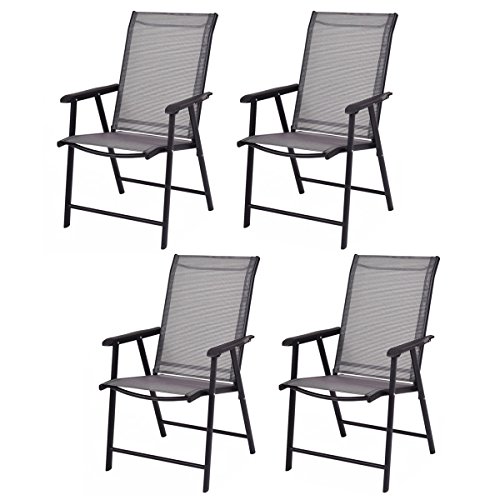
Lightweight yet sturdy, aluminum frames resist rust and handle frequent folding without loosening. Paired with textilene or mesh fabric, they offer the best all-around balance of portability, weather resistance, and long-term durability for most households.
Fabric Sling Chairs
A continuous sheet of fabric stretched across the frame provides even support and a clean, modern look. Sling chairs fold compactly and dry quickly after rain, making them a favorite for poolside and balcony use.
Reclining Folding Chairs
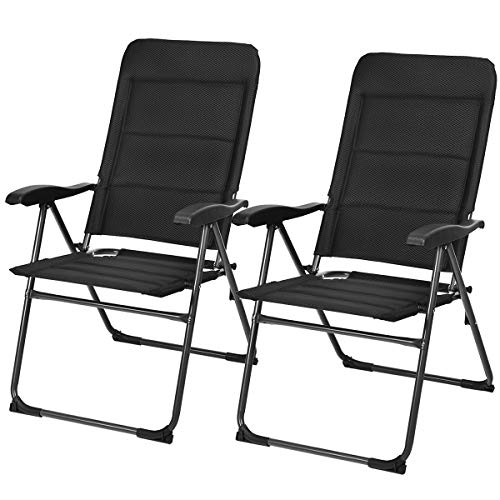
Multiple backrest positions let you shift from upright dining to full recline without moving the chair. These models often feature reinforced hinges and padded fabric, making them ideal for lounging on a folding chaise lounge setup or a sunny deck.
Teak and Hardwood Folding Chairs
Solid hardwood construction with precision joinery delivers a furniture-grade appearance that rivals fixed seating. These are long-term investments best suited to covered patios or buyers willing to commit to seasonal oiling and storage.
Heavy-Duty Folding Chairs
Reinforced frames, higher weight ratings, and UV-stabilized fabrics built for daily use in hospitality settings. If your deck hosts frequent gatherings or you simply want a chair that will outlast everything else, this tier is worth considering.
Key Buying Factors to Evaluate
Before choosing a model, evaluate these five factors against your specific outdoor space and usage habits. Getting these right prevents the common regret of buying chairs that fold well but sit poorly — or feel comfortable but rust within a season.
- Frame material: Aluminum resists rust and stays light; steel is stronger but heavier and needs a rust-proof finish; hardwood offers classic aesthetics with higher maintenance. Powder-coated finishes on metal frames extend lifespan significantly.
- Weight capacity: Check the manufacturer's rating rather than assuming. Standard models typically support 250–300 pounds, while heavy-duty options exceed that. A chair rated well above the user's weight will feel more stable and last longer.
- Fabric type: Textilene and mesh resist fading and dry fast. Canvas offers a softer feel but absorbs moisture. Solution-dyed acrylic holds color best under intense sun exposure.
- Folded dimensions: Measure your storage space before buying. Some chairs fold to a slim profile that slides behind a door, while others remain bulky even when collapsed.
- Weight and portability: If you plan to move chairs between deck, lawn, and patio, lighter aluminum models (often under 10 pounds) make the task effortless. Heavier hardwood chairs are better left in one location.
Folding Deck Chair Comparison by Tier
| Tier | Frame Material | Best For | Maintenance Level |
|---|---|---|---|
| Essential Tier | Powder-coated steel or basic aluminum | Occasional seating, small balconies | Low to moderate; store indoors off-season |
| Balanced Tier | Aluminum with textilene fabric | Everyday deck use, family patios | Low; wipe clean and cover during winter |
| Mid-Range | Reinforced aluminum, sling fabric | Poolside lounging, sunny exposures | Low; fabric dries quickly |
| High-End Tier | Anodized aluminum with padded fabric | Frequent entertaining, multi-position lounging | Moderate; lubricate hinges periodically |
| Premium | Teak or solid hardwood | Covered patios, design-focused spaces | Moderate to high; seasonal oiling required |
| Commercial-Grade | Heavy-gauge aluminum or steel | Hospitality use, large gatherings | Low; built for continuous use |
Material Deep Dive: What Lasts Outdoors
Aluminum dominates the folding deck chair market for good reason. It never rusts, weighs a fraction of steel, and holds powder-coated finishes well. The trade-off is that very thin aluminum frames can flex under heavier users — look for reinforced joints and thicker gauge tubing on entry-level and mid-range models.
Steel frames offer superior rigidity and often a more substantial feel, but require a quality rust-proof finish to survive outdoor conditions. If you choose steel, inspect welds and coating coverage at the joints, where moisture collects first.
Wood — particularly teak and acacia — brings warmth that metal cannot replicate. Teak's natural oils resist rot, but even teak benefits from annual cleaning and occasional oiling. Wooden folding chairs are best suited to covered or semi-covered areas rather than fully exposed decks.
Fabric choice matters as much as the frame. Textilene mesh resists mildew and dries almost instantly after rain. Solution-dyed acrylic holds color for years under UV exposure. Canvas, while comfortable, stays damp longer and is more prone to staining. For a folding camp chair that moves between environments, quick-drying fabric is almost always the right call.
Placement and Pairing Ideas
Folding deck chairs work hardest when paired with furniture that anchors a conversation zone. Around a fire pit table with built-in propane tank, folding chairs offer flexible seating that can be pulled closer on cool evenings and pushed back when the fire is off. Similarly, a folding bistro table combined with two folding deck chairs creates an instant café corner on a small balcony — a setup that disappears entirely when stored.
On larger decks, use folding chairs as secondary seating flanking a fixed sofa or bench. Because they collapse, you can add four or six chairs for a party and reclaim the floor space the next morning. For sun-focused layouts, a folding chaise lounge alongside a couple of upright folding deck chairs covers both lounging and social seating needs.
Renters and apartment dwellers should prioritize models that fold flat enough to slide under a bed or stand in a closet. In these spaces, a single foldable chair table plus two folding deck chairs can transform a balcony into a functional outdoor room with zero permanent footprint.
Care and Maintenance Essentials
Folding deck chairs reward a small amount of routine care with years of reliable service. The folding mechanism is the most common failure point — hinges and locking joints collect grit and benefit from periodic cleaning and a light application of silicone-based lubricant. Avoid oil-based lubricants, which attract dust.
Fabric should be cleaned with mild soap and water, then air-dried fully before folding. Folding a damp chair traps moisture against the frame and accelerates corrosion and mildew. During winter, bring chairs indoors or store them in a dry shed; even weather-resistant models last noticeably longer when protected from freeze-thaw cycles.
For metal frames, touch up any scratches in the powder coating promptly. A small chip exposes bare metal and becomes the starting point for corrosion. Wooden chairs need annual inspection for loose joints and a fresh coat of oil or sealant before the season begins. If your chairs sit near a fire feature, keep fabric away from direct flame and embers — a fire pit seating arrangement should always maintain a safe clearance.
Common Mistakes to Avoid
- Buying purely on folded size: A chair that stores compactly but lacks lumbar support or a comfortable seat height will rarely get used. Prioritize comfort first, then storage convenience.
- Ignoring weight ratings: Exceeding a chair's rated capacity stresses hinges and fabric seams, leading to premature failure and safety risk.
- Skipping rust-proof finishes: Bare or poorly coated steel will corrode within a season on an exposed deck. Confirm that frames carry a proper outdoor-rated finish.
- Storing damp: Folding a wet chair is the fastest way to damage both fabric and frame. Always dry fully before collapsing.
- Mismatched tiers: Pairing a commercial-grade chair with an entry-level table can look and feel inconsistent. Choose a cohesive tier across your folding set for visual harmony.
Frequently Asked Questions
What materials are best for folding deck chairs?
Aluminum frames with textilene or mesh fabric offer the best balance of durability, weather resistance, and lightweight portability. Wood frames deliver a classic look but require more maintenance.
How much weight can folding deck chairs support?
Most quality folding deck chairs support between 250 and 350 pounds. Heavy-duty and commercial-grade models often support more. Always check the manufacturer's weight rating before purchase.
Can folding deck chairs stay outside year-round?
Weather-resistant models with rust-proof finishes and UV-treated fabrics can stay outside during the season. However, bringing them indoors or covering them during harsh winter months will extend their lifespan significantly.
How do I maintain folding deck chairs?
Wipe frames with a damp cloth, clean fabric with mild soap and water, and lubricate hinges periodically. Store chairs in a dry place during off-season months to prevent rust and fabric degradation.
Ready to Choose Your Folding Deck Chairs?
Browse our curated selection of folding deck chairs across every tier and style — from compact aluminum models for balconies to hardwood chairs for covered patios. Compare features, check availability, and find the seating that fits your outdoor space.
VIEW RECOMMENDED PRODUCTS