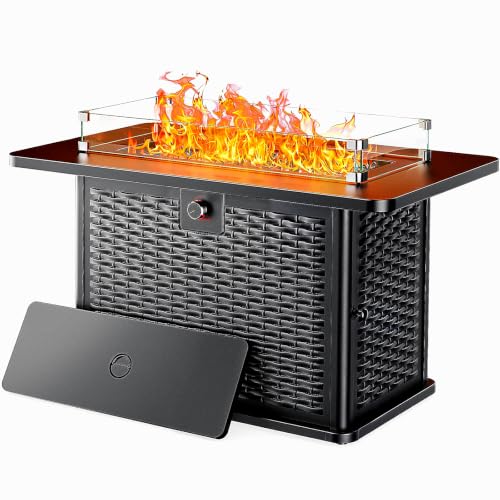
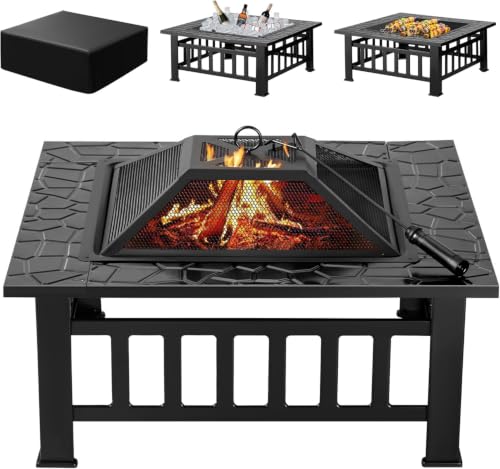
What Is a Fire Pit Table and Why Should You Consider One?
A fire pit table is a hybrid outdoor furniture piece that merges a traditional patio table with a built-in fire feature. The fire element—typically a gas burner or a wood-burning insert—sits at the center of the tabletop, surrounded by a durable surface for drinks, snacks, or decor. Unlike a standalone fire pit, a fire pit table offers a more integrated, furniture-like aesthetic that pairs seamlessly with dining or lounge seating.
The appeal is straightforward: you get warmth, ambiance, and a usable surface in one footprint. This makes it especially valuable for compact patios, decks, and balconies where space is at a premium. It also serves as a natural conversation hub—guests gravitate toward the flame, and the table gives them a place to rest a mug or a plate.
Fuel Types: Propane, Natural Gas, and Wood-Burning
The fuel source is the single most important decision you will make. Each option has distinct advantages and trade-offs.
Propane Fire Pit Tables
Propane is the most common fuel for fire pit tables because it offers portability and independence from your home's gas line. Most models use a standard 20-pound propane tank, which can be stored inside the table base or hidden in a nearby cabinet. You will find everything from propane fire pit tables with exposed tanks to models with a hidden propane tank inside for a cleaner look. If you prefer a self-contained setup, a fire pit table with built-in propane tank simplifies refueling.
Best for: Renters, patios without a gas line, and anyone who wants the flexibility to reposition the table.
Natural Gas Fire Pit Tables
Natural gas models connect directly to your home's gas supply, so you never need to refill a tank. This is the most convenient option for permanent installations, but it requires a professional hookup and limits placement to wherever the gas line can reach. A gas fire table typically produces a clean, consistent flame and is ideal for homeowners who plan to stay in their property long-term.
Best for: Permanent patio setups and homeowners who want a maintenance-free fuel source.
Wood-Burning Fire Pit Tables
Wood-burning options deliver the crackle, aroma, and authenticity of a traditional fire. However, they require more maintenance—ash cleanup, spark management, and a steady supply of seasoned wood. They also produce more smoke, which can be a drawback in tight spaces or on covered porches. If you love the ritual of tending a fire, a wood-burning model may be worth the extra effort.
Best for: Rustic settings, open yards, and fire enthusiasts who enjoy the process.
Size, Shape, and Seating Integration
A fire pit table should be sized to your space and your seating arrangement. As a rule of thumb, allow at least 24 to 36 inches of clearance between the table edge and surrounding furniture so guests can move comfortably and safely.
Round vs. Square vs. Rectangular
- Round: Best for intimate conversation circles and smaller patios. Pairs well with curved or swivel seating.
- Square: A versatile middle ground that fits neatly into corners and works with most seating layouts.
- Rectangular: Ideal for dining-style setups. A rectangular fire pit table can anchor a long seating group or serve as a fire pit dining table for al fresco meals.
If you are building a full lounge zone, consider how the table integrates with your fire pit seating. A fire pit coffee table works beautifully with sofas and loveseats, while a taller dining-height table pairs with chairs. For a curated look, explore a firepit table and chairs set or a five-piece patio set with fire pit that includes coordinated seating.
Height Considerations
Coffee-height tables (around 16–20 inches) are best for lounge seating. Dining-height tables (around 28–30 inches) suit meals and upright chairs. Bar-height models exist but are less common for fire features. Match the table height to your existing furniture to avoid an awkward mismatch.
Materials and Construction Quality
Outdoor fire pit tables must withstand sun, rain, and heat. The tabletop and base materials determine durability, maintenance needs, and appearance.
Tabletop Materials
- Cast aluminum: Lightweight, rust-resistant, and available in many finishes. A solid choice for coastal or humid climates.
- Steel: Heavy-duty and durable, but requires a rust-proof finish. Look for powder-coated or stainless steel for longevity.
- Stone and concrete: Naturally heat-resistant and visually substantial. These are heavy and may require a permanent location.
- Tile and ceramic: Attractive and easy to clean, but can crack under extreme temperature changes if not properly rated.
Base and Frame
The base houses the burner and, often, the propane tank. Look for reinforced construction and weather-resistant coatings. A fire table with built-in propane tank should have a well-ventilated compartment and easy access for tank swaps. For models where the tank sits inside, check that the door or panel operates smoothly and seals properly against moisture.
If you are comparing tiers, entry-level models often use thinner gauge metal and simpler burners, while mid-range and premium models typically feature heavier frames, better welds, and more sophisticated burner systems. A modern fire table in the premium tier may include electronic ignition, adjustable flame height, and integrated storage.
Safety Features and Best Practices
Fire pit tables are designed to be safer than open wood fires, but they still require respect. Key safety features to look for include:
- Flame control: Adjustable flame height lets you manage heat output and fuel consumption.
- Ignition system: Push-button or electronic ignition is more convenient and safer than matches.
- Heat-resistant glass or lava rock: These elements diffuse the flame and reduce flare-ups.
- Automatic shut-off: Some premium models include a thermocouple or oxygen depletion sensor that cuts the gas if the flame goes out.
Always place your fire pit table on a level, non-combustible surface. Keep it away from overhead branches, patio umbrellas, and flammable decor. Never use a propane model indoors or in an enclosed space. For a deeper look at safe placement, see our guide to fire pit in backyard setups.
Design and Aesthetic Considerations
A fire pit table is a visual anchor. Choose a style that complements your existing outdoor decor. Popular looks include:
- Modern minimalist: Clean lines, neutral tones, and integrated storage. A modern fire table often features a linear burner and a low-profile base.
- Rustic farmhouse: Textured stone, cast iron accents, and warm wood tones.
- Coastal: Light-colored composites, stainless steel burners, and weather-resistant finishes.
Consider the tabletop surface as well. A fire table top that mimics wood grain or stone can tie the piece to your patio's material palette. If you plan to use the table for dining, ensure the fire feature is centered and the surrounding surface is wide enough for plates and glasses.
Comparing Fire Pit Table Categories
The table below outlines common product tiers and their typical characteristics. Use it to match your needs to a category.
| Tier | Typical Construction | Burner & Features | Best For |
|---|---|---|---|
| Entry-level | Thinner steel or aluminum, simpler finishes | Basic manual ignition, fixed or limited flame control | Casual use, first-time buyers, compact spaces |
| Mid-range | Reinforced frame, powder-coated steel or cast aluminum | Push-button ignition, adjustable flame, decorative media included | Regular entertaining, balanced durability and features |
| Premium | Heavy-gauge steel, stainless burners, stone or tile tops | Electronic ignition, high heat output, integrated tank storage, glass wind guard | Frequent hosting, design-focused patios, long-term use |
| Luxury / Commercial-grade | Solid stone, marine-grade stainless steel, custom finishes | Smart controls, multi-zone burners, automated safety shut-off | High-end installations, hospitality settings, statement pieces |
Maintenance and Care
Proper care extends the life of your fire pit table and keeps it looking sharp. Basic maintenance includes:
- Covering the table when not in use to protect against rain and debris.
- Cleaning the tabletop with a mild soap solution and soft cloth; avoid abrasive cleaners on painted or coated surfaces.
- Checking burner ports for blockages and clearing them with a soft brush or compressed air.
- Inspecting gas lines and connections for leaks before each season.
- Storing propane tanks upright in a well-ventilated area when not in use.
For a broader look at protecting outdoor furniture, see our weatherproofing guide and furniture cleaner recommendations.
Matching Your Fire Pit Table to Your Patio Style
The right fire pit table should feel like a natural extension of your outdoor space. If you have a fire table patio set, ensure the table's scale and finish harmonize with the chairs and sofa. A fire table backyard arrangement can be as simple as a table, two Adirondack chairs, and a string of lights. For a more curated look, explore fire pit with Adirondack chairs pairings or a fire pit chat set with swivel chairs for a conversation-friendly layout.
If you are still in the planning phase, our guide to building a fire pit covers DIY considerations, while fire pit seating ideas can help you map out the surrounding furniture.
Frequently Asked Questions
Can I use a fire pit table on a wooden deck?
Yes, with precautions. Choose a model with a heat shield or a raised base, and always place it on a non-combustible mat or patio stone. Keep the flame away from deck railings and overhead structures. Check local fire codes for deck installations.
How long does a propane tank last in a fire pit table?
A standard 20-pound propane tank typically provides 8 to 12 hours of burn time on a medium flame setting. Higher flame settings consume fuel faster. Keep a spare tank on hand for longer gatherings.
Do fire pit tables produce smoke?
Gas models produce virtually no smoke. Wood-burning models produce smoke and require proper ventilation. If smoke sensitivity is a concern, choose propane or natural gas.
Can I leave my fire pit table outside in winter?
Most quality tables can handle cold weather, but a protective cover is essential to prevent moisture buildup and freeze damage. If your table has a propane tank inside, disconnect and store the tank indoors for the winter.
What is the difference between a fire pit table and a fire table?
The terms are often used interchangeably. Generally, a "fire pit table" emphasizes the table function, while a "fire table" may refer to a lower-profile decorative piece. When shopping, check the height and surface area to determine the intended use.
Ready to Choose Your Fire Pit Table?
Explore our curated selection of fire pit tables and find the perfect centerpiece for your outdoor space.
VIEW RECOMMENDED PRODUCTS