Fire Pit Coffee Table: The Ultimate Centerpiece Buying Guide
Everything you need to know about choosing a fire pit coffee table — sizing, fuel types, materials, safety, and design ideas — so you can create a warm, inviting gathering space with confidence.
Why this guide matters: A fire pit coffee table is one of the most impactful upgrades you can make to an outdoor lounge area. It blends warmth, ambiance, and function into a single piece. But because these tables involve fuel systems, heat output, and structural materials, choosing the right one requires more than a glance at photos. This guide walks you through every decision point — from sizing and placement to fuel type and long-term care — so you can invest wisely in a piece you will use for years.
What Is a Fire Pit Coffee Table?
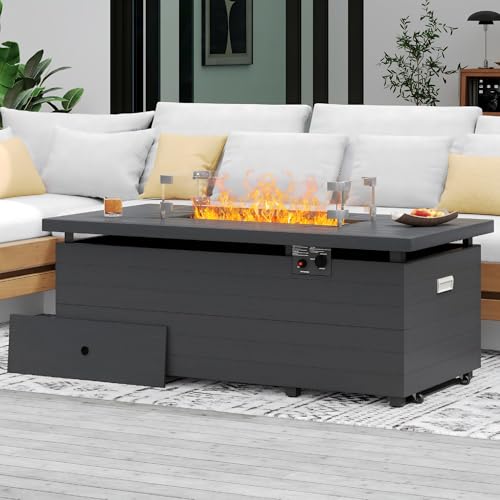
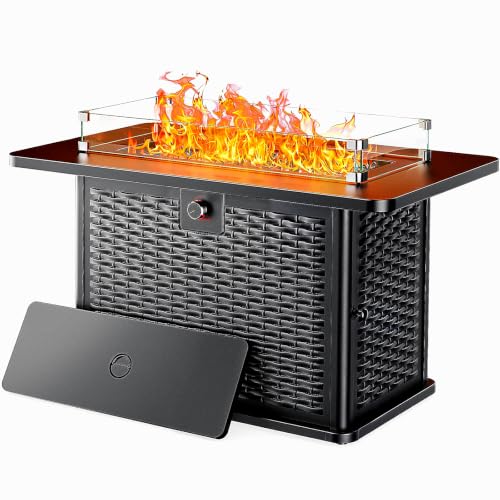
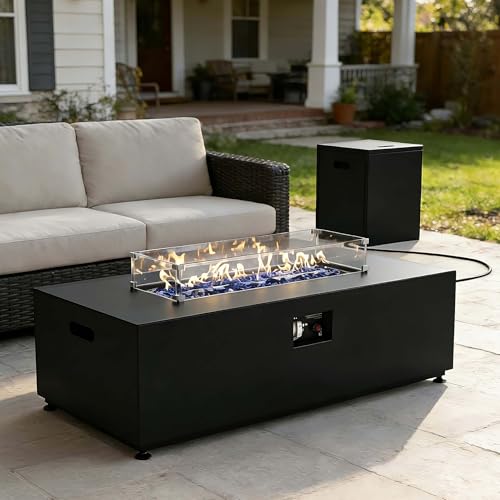
A fire pit coffee table is a low-profile outdoor table with an integrated fire burner built into the center. The surrounding surface functions like a traditional coffee table — you can set down drinks, books, or a tray of snacks — while the central fire element provides warmth and ambiance for evening gatherings. Most models use propane or natural gas, though some entry-level designs use bio-ethanol or gel fuel. Unlike a standalone fire pit, these tables are engineered to sit within a seating arrangement, usually centered between sofas or lounge chairs. That positioning makes them a natural focal point for conversation and relaxation. If you are still deciding between a standalone pit and a table-style unit, our overview of fire pit tables explains the differences in depth.
How to Choose the Right Size and Shape
Sizing is the first decision that affects both comfort and safety. A fire pit coffee table that is too large will crowd your seating, while one that is too small will feel out of proportion.
- Round tables (typically 30–42 inches diameter): Best for compact lounge areas or circular seating arrangements with two to four chairs. Round shapes encourage conversation flow and are easy to walk around.
- Square tables (typically 30–36 inches square): A balanced option for small-to-medium patios with L-shaped or paired seating. Square tables offer a generous usable surface per side.
- Rectangular tables (typically 48–60 inches long): Ideal for larger lounge setups with a sofa and two armchairs. A rectangle defines the seating zone and works well on long, narrow patios.
A simple rule of thumb: leave at least 18 to 24 inches of clearance between the table edge and surrounding furniture. This ensures safe movement and prevents accidental contact with the hot surface. For wider layout ideas, see our guide to fire pit seating arrangements.
Fuel Types: Propane, Natural Gas, and Alternatives
The fuel system is the heart of any fire pit coffee table, and it determines convenience, placement flexibility, and ongoing effort.
Propane Fire Pit Coffee Tables
Propane is the most common fuel for freestanding tables because it requires no gas line and can be moved as needed. Most models use a standard 20-pound tank, which is either stored inside the table base or concealed in a side compartment. Tables with hidden tank storage offer a cleaner look and are easier to reposition. Our article on fire pit tables with a hidden propane tank inside covers the practical differences between internal and external tank designs. If you plan to keep the table in one spot, a model with a built-in tank compartment is often the most convenient.
Natural Gas Fire Pit Coffee Tables
Natural gas models connect directly to your home's gas line, eliminating the need for tank refills. They are ideal for permanent installations on patios with existing gas access. The trade-off is that placement is fixed and professional installation is usually required. Natural gas tables tend to sit in the premium and luxury tiers due to their more complex burner systems and installation requirements.
Bio-Ethanol and Gel Fuel
These are entry-level alternatives that need no gas line or propane tank. They produce a real flame but with lower heat output, making them more decorative than warming. They suit renters or those who want a flame feature without fuel infrastructure. For a broader comparison of fuel systems, see our propane fire pit table guide and the gas fire table overview.
Materials and Construction Quality
The material of the table body determines durability, weight, maintenance, and how well it handles heat.
- Concrete and cast stone: Heavy-duty, heat-resistant, and premium in feel. These tables anchor a space and resist wind, but they are difficult to move and may require sealing over time.
- Powder-coated aluminum and steel: Lightweight, rust-resistant when properly finished, and available in many styles. High-grade steel with a rust-proof finish is a solid choice for coastal or humid climates.
- Resin and composite: Entry-level materials that offer good weather resistance at a lighter weight. They are easy to maintain but may not match the longevity of metal or stone.
- Tile and glass tops: Often used on mid-range to premium tables for a refined look. Check that the top material is rated for heat exposure around the burner.
Look for reinforced burner pans, stainless steel burner rings, and weather-resistant coatings. These details separate a durable construction from a table that will need replacing after a few seasons.
Design Styles and Placement Ideas
A fire pit coffee table works across design styles, from modern to rustic. The key is matching the table to your existing furniture and the mood of your outdoor space.
- Modern and minimalist: Linear rectangular tables with clean edges and muted finishes suit contemporary patios. Pair with low-profile sofas and neutral cushions. For inspiration, see our modern fire table ideas.
- Rustic and farmhouse: Stone-look or wood-textured bases with warm finishes blend with natural materials and Adirondack seating. Our backyard fire table guide has layout suggestions.
- Coastal and transitional: Light-toned composite or aluminum tables with glass tops work well near pools and open decks.
Placement matters as much as style. Center the table within your seating group, keep it away from low-hanging branches or fabric awnings, and ensure the surface is level. If you are building a full lounge zone, explore fire pit chat sets with swivel chairs and fire table patio sets for coordinated arrangements.
Safety Considerations Before You Buy
Fire features demand respect. Before purchasing, confirm the following:
- Clearance: Follow the manufacturer's minimum clearance from combustibles — typically several feet from walls, furniture, and overhead structures.
- Ventilation: Never use a fuel-burning fire table in a fully enclosed space. Covered patios need open sides and airflow.
- Stability: Heavy tables are harder to tip, which matters around children and pets. Look for wide bases and secure burner assemblies.
- Child and pet safety: Consider table height, glass barriers, and burner covers. Our kid-friendly patio guide and pet-friendly outdoor tips offer practical precautions.
- Local codes: Check whether your area restricts open flames on decks or requires permits for gas line connections.
Maintenance and Long-Term Care
A fire pit coffee table is a long-term investment, and a little routine care goes a long way.
- Burner care: Keep burner ports clean and free of debris. Inspect hoses and connections seasonally for wear.
- Surface protection: Use a fitted cover when the table is not in use. Our patio furniture covers guide explains how to choose the right fit.
- Cleaning: Wipe surfaces with mild soap and water. Avoid abrasive cleaners on coated metal or glass. See our furniture cleaner recommendations for safe products.
- Winter storage: Disconnect the fuel source and store removable parts indoors during freezing months. Our winter storage guide covers the full routine.
- Rust prevention: Touch up scratches on metal finishes promptly. For more, read our rust removal tips.
Comparing Fire Pit Coffee Tables by Tier
Instead of focusing on figures, it helps to understand what each market tier typically delivers. The table below uses universal quality descriptors so you can match expectations to your needs.
| Tier | Typical Construction | Best For |
|---|---|---|
| Entry-level | Resin or composite base, bio-ethanol or gel burner, lighter build | Renters, small balconies, decorative flame without infrastructure |
| Mid-range | Powder-coated aluminum or steel, propane burner, tile or glass top | Everyday patios, balanced durability and style, easy tank access |
| Premium | High-grade steel or concrete, stainless burner, hidden tank storage | Year-round use, larger lounge layouts, refined finishes |
| Luxury | Cast stone or architectural concrete, natural gas connection, commercial-grade components | Permanent installations, custom patios, long-term investment |
Mid-range models usually offer the smoothest balance of build quality and features for most homeowners. Premium and luxury tiers make sense when you want a permanent centerpiece with minimal maintenance and maximum longevity.
Quick Buying Checklist
- Measure your seating zone and confirm clearance around the table.
- Choose a fuel type based on placement flexibility and installation.
- Match material to your climate and maintenance willingness.
- Check burner quality, ignition system, and included cover.
- Verify safety clearances and local regulations.
- Confirm assembly requirements and delivery access.
- Plan for seasonal care and storage.
Related Guides to Explore
Once you have a direction, these resources can help you refine the rest of your outdoor setup:
- Rectangular fire pit table — for larger lounge layouts and defined seating zones.
- Fire pit table with built-in propane tank — convenience-focused designs.
- Fire pit dining table — if you want to combine dining and warmth.
- Fire pit with seating — coordinated sets and layout planning.
- Fire pit in backyard — placement and landscaping considerations.
- Build a fire pit — DIY options if you prefer a custom approach.
- Fire pit with Adirondack chairs — a classic rustic pairing.
Frequently Asked Questions
What is a fire pit coffee table?
A fire pit coffee table is a dual-purpose outdoor furniture piece that combines a low coffee table surface with an integrated fire feature, typically a propane or natural gas burner. It serves as both a gathering centerpiece and a functional table for drinks, books, or decor.
What size fire pit coffee table is right for my patio?
Match table size to your seating arrangement. A compact round or square table works well with two to four chairs in smaller spaces, while a rectangular table suits larger lounge setups with sofas. Always maintain at least 18 to 24 inches of clearance around the table for safe movement.
Are propane fire pit coffee tables safe on a covered patio?
Propane fire tables are generally safe on covered patios when used with proper ventilation and clearance from overhead structures. Always follow the manufacturer's clearance requirements and never operate a fire feature in a fully enclosed space.
Can a fire pit coffee table be left outside in winter?
Many fire pit coffee tables are designed for outdoor use, but extended exposure to harsh winter weather can cause wear. Use a fitted weather-resistant cover, disconnect the fuel source, and store removable components indoors during freezing months.
What materials are best for a fire pit coffee table?
Concrete and stone offer a heavy, premium feel with excellent heat resistance. Powder-coated aluminum and steel provide durability with lighter weight. Resin-based composite tables are an entry-level choice with good weather resistance. Choose materials that match your climate and maintenance preferences.
Final Thoughts
A fire pit coffee table can transform a plain patio into a destination for evening gatherings, quiet reading, and cool-weather entertaining. Focus on the fundamentals — the right size for your seating, a fuel type that fits your space, and materials that match your climate — and you will end up with a centerpiece that serves you well for years. Use the tier comparison and checklist above as your decision framework, then explore the product recommendations below to find a model that fits your setup.