Fire Pit in Backyard: The Complete Guide
Transform your outdoor space into a year-round gathering place. Learn how to choose, place, and enjoy a backyard fire pit with confidence — from fuel type to seating layout and safety essentials.
Explore the GuideWhy a backyard fire pit? A fire pit extends your outdoor season well into cooler months, creates a natural focal point for conversation, and adds warmth and ambiance that string lights alone cannot match. Whether you prefer the convenience of propane or the crackle of real wood, this guide walks you through every decision so you can choose the right fire pit with clarity.
Why a Fire Pit Belongs in Your Backyard
A fire pit does more than warm the air. It redefines how you use your outdoor space. Evenings that once ended when the sun dropped are suddenly extended by hours, with friends and family naturally gathering around the glow. Unlike a patio heater, which heats silently and impersonally, a fire pit invites interaction — the flicker of flames creates a shared experience that pulls people together.
Beyond social appeal, a well-placed fire pit can anchor an otherwise empty corner of your yard, giving purpose to a spot that might otherwise sit unused. It pairs naturally with existing outdoor furniture, making your fire pit seating arrangement an extension of your patio rather than a separate project. And for homeowners who entertain often, a fire pit transforms an ordinary backyard into a destination worth staying in.
From a practical standpoint, fire pits are also one of the more flexible outdoor investments you can make. They work on patios, decks (with proper protection), gravel pads, and even compact urban courtyards. The key is choosing the right type for your space and using it correctly.
Fuel Types: Propane, Natural Gas, or Wood?
The fuel source is the single biggest decision you will make. It affects installation requirements, ongoing maintenance, heat output, and how often you actually use the fire pit. Each option has a distinct personality, and the right choice depends on your priorities.
Wood-Burning Fire Pits
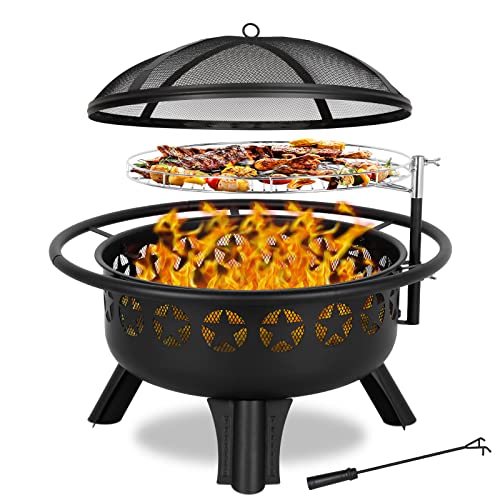
Wood-burning fire pits offer the most authentic experience — the crackle, the aroma, and the radiant heat that only real flames produce. They are typically the most straightforward to install (no gas lines required) and are often the essential tier choice for rustic or traditional backyard settings. However, they require dry firewood storage, produce smoke that can bother neighbors, generate ash that must be cleaned out, and are subject to local burn bans during dry seasons.
Propane Fire Pits
Propane fire pits ignite instantly, burn cleanly, and produce consistent flames without smoke or ash. They are ideal for urban and suburban backyards where smoke is unwelcome. Most models use a standard 20-pound propane tank that tucks inside the base or hides beneath a table surface. If you prefer a table-centered design, consider a propane fire pit table that combines warmth with a usable surface. The trade-off is that you must monitor fuel levels and swap tanks periodically.
Natural Gas Fire Pits
Natural gas fire pits connect directly to your home's gas line, eliminating tank swaps entirely. Once installed by a professional, they are the most convenient option for frequent use. The upfront installation complexity is higher, and placement is limited to areas with accessible gas lines, but for homeowners who plan to use their fire pit regularly, the long-term convenience is difficult to match.
Quick Comparison
| Feature | Wood-Burning | Propane | Natural Gas |
|---|---|---|---|
| Ignition | Manual, requires kindling | Instant push-button | Instant push-button |
| Smoke & Ash | Yes, requires cleanup | None | None |
| Heat Output | High, radiant | Moderate, adjustable | Moderate, adjustable |
| Installation | Simple, no utilities | Moderate, tank-based | Professional gas line required |
| Best For | Rustic, rural, traditional | Suburban, flexible placement | Frequent use, permanent setup |
Placement and Safety Essentials
Where you place your fire pit matters as much as which one you buy. Poor placement creates safety hazards, while smart placement makes the fire pit feel like a natural part of your yard. Before you commit to a spot, walk through these checks.
Clearance and Surface
- Keep the fire pit at least 10 feet away from your house, fences, sheds, and low-hanging tree branches.
- Place it on a level, non-combustible surface such as gravel, stone, concrete, or a fire-rated pad.
- Never place a fire pit directly on grass, mulch, or a wooden deck unless the unit is specifically rated for deck use and elevated on a heat shield.
- Ensure the area above the fire pit is open to the sky — avoid using it under a pergola, gazebo, or covered porch unless the structure is rated for it.
Wind and Ventilation
Avoid placing your fire pit in a spot where wind gusts funnel between buildings or fences. Strong drafts can send sparks and smoke toward your home or seating area. If your yard is naturally windy, a propane unit with a glass wind guard or a deeper bowl design will perform more predictably than an open wood-burning ring.
Seating Distance
Allow at least 2 to 3 feet of clearance between the fire pit edge and any seating. For a standard 36-inch fire pit, this means chairs should sit roughly 24 to 36 inches back from the rim. This distance keeps guests comfortable while still allowing them to feel the warmth. If you are planning a built-in setup, review our fire pit seating ideas for layout inspiration.
Safety Gear
- Keep a fire extinguisher or a bucket of sand within easy reach.
- Never leave a fire unattended, especially with children or pets nearby.
- Check local burn ordinances and homeowner association rules before installing.
- For wood-burning units, use a spark screen and keep the lid nearby for emergencies.
Styles and Materials: Matching Your Backyard
Fire pits come in a wide range of designs, and the right style depends on the visual language of your outdoor space. A modern backyard with clean lines and neutral tones pairs well with a linear or square fire table in concrete or powder-coated steel. A rustic farmhouse setting calls for a stone bowl, cast iron ring, or a hammered copper finish.
Material choice also affects durability and maintenance. High-grade steel with a rust-proof finish offers a solid balance of durability and design flexibility for mid-range and premium tiers. Cast aluminum resists corrosion well and is often used in lighter-weight portable units. Natural stone and concrete deliver a substantial, permanent feel but are heavy and require a stable base. For a more integrated look, a fire patio table blends the fire feature into your existing dining or lounge setup, while a modern fire table suits contemporary spaces with minimalist lines.
If you are considering a DIY approach, our fire pit build guide covers the structural basics, but remember that gas-connected builds should always be handled by a licensed professional.
Seating and Layout Ideas
The seating around your fire pit determines how the space feels and functions. A circular arrangement of Adirondack chairs creates a casual, conversation-friendly zone, while a built-in bench along one side plus two lounge chairs offers a more structured look. If you want a unified set, a five-piece patio set with fire pit removes the guesswork of matching pieces.
For a relaxed, low-profile feel, pair your fire pit with a fire pit bench or a curved sectional. If your yard leans traditional, a set of Adirondack chairs around the fire pit is a timeless combination that works in nearly any setting. For compact spaces, a fire pit chat set with swivel chairs keeps the footprint tight while preserving the social dynamic.
Consider traffic flow as well. Leave a clear path to the fire pit from your patio door, and avoid placing seating so close that guests must step over each other to reach a chair. A well-planned layout feels effortless, and that ease is what keeps people coming back to the fire pit night after night.
Choosing by Tier: What to Expect at Each Level
Fire pits span a wide range of quality and feature sets. Rather than focusing on numbers, think in terms of tiers — each tier represents a different balance of materials, construction, and features. The descriptors below are relative to the category and help you set expectations before you shop.
Entry-Level TierEntry-level fire pits typically feature lighter-gauge steel, simpler burner assemblies, and basic finishes. They are a reasonable starting point for occasional use or for testing how often you actually gather around a fire. Expect straightforward designs, often portable, with fewer accessories. Durability is adequate for sheltered placement but may require more careful storage during harsh winters.
Mid-Range TierMid-range models step up to heavier steel or cast aluminum construction, better burner systems, and more refined finishes such as powder coating or brushed surfaces. These units often include integrated ignition systems, hidden tank storage, and included covers or spark screens. For most homeowners, the mid-range tier delivers the best balance of longevity and features — a solid choice for regular seasonal use.
Premium TierPremium fire pits use high-grade materials, precise machining, and thoughtful design details such as glass wind guards, adjustable flame controls, and weather-resistant covers. They are built for frequent use and are more likely to hold their appearance over many seasons. If your fire pit will serve as a centerpiece of your outdoor living space, this tier is a worthwhile investment.
Luxury TierLuxury fire pits are defined by exceptional materials — hand-finished concrete, marine-grade stainless steel, or artisan metalwork — and by features that elevate the experience, such as remote ignition, integrated lighting, or custom sizing. These are long-term investments for homeowners who view their backyard as an extension of their home's design language. Commercial-grade units also fall into this category, offering durability suited to heavy use.
Installation Notes and Practical Tips
Portable propane and wood-burning fire pits require no installation beyond placement and a stable surface. Permanent natural gas units, however, need a licensed plumber or gas fitter to run a line and connect the burner. If you are planning a built-in stone or concrete surround, budget time for curing and ensure the burner is accessible for maintenance.
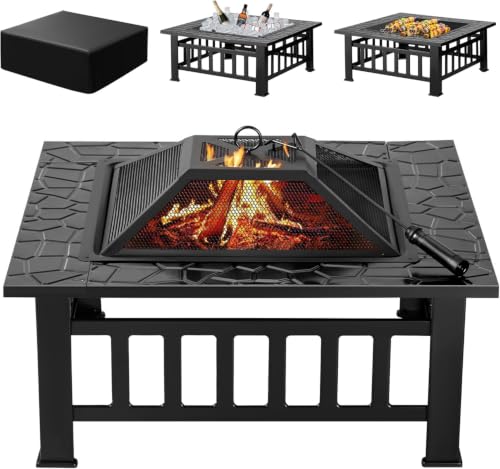
For table-style units, a fire pit table with a built-in propane tank keeps the fuel source hidden and the surface clean, while a fire pit table with a hidden propane tank inside offers a more streamlined look for tighter spaces. If you prefer a rectangular footprint for a longer seating arrangement, a rectangular fire pit table aligns naturally with sofas and sectionals.
Finally, think about storage. Even weather-resistant fire pits benefit from a cover during off-season months. A fitted cover protects the burner, prevents debris buildup, and extends the life of the finish — a small habit that pays off over time.
Frequently Asked Questions
Where should I place a fire pit in my backyard?
Place your fire pit on a level, non-flammable surface such as gravel, stone, or concrete. Keep it at least 10 feet away from structures, low-hanging branches, and combustible materials. Ensure the area is well-ventilated and away from covered spaces.
Is a propane fire pit better than a wood-burning fire pit?
Propane fire pits offer instant ignition, consistent flames, and less smoke, making them easier to use in urban or smoke-sensitive areas. Wood-burning fire pits provide authentic crackling ambiance and higher heat output but require more maintenance, fuel storage, and ash cleanup.
How much seating space do I need around a fire pit?
Allow at least 2 to 3 feet of clearance between the fire pit edge and seating for safety and comfort. A typical 36-inch fire pit comfortably accommodates 4 to 6 people in a circular arrangement with chairs placed 24 to 36 inches back.
Can I use a fire pit on a wooden deck?
Only use a fire pit on a wooden deck if it is specifically rated for deck use and elevated on a non-combustible pad or heat shield. Check local fire codes and keep a fire extinguisher nearby. Many propane fire pits are designed for deck use when properly elevated.