Propane Fire Pit Table: A Complete Buying Guide
A propane fire pit table combines the warmth of an open fire with the practicality of a patio table. This guide walks you through burner types, table materials, safety considerations, and setup so you can choose with confidence.
In-depth research guide for homeowners planning an outdoor fire feature.
Why this guide matters: A propane fire pit table is a long-term addition to your outdoor space. Understanding the differences between burner systems, tabletop materials, and tank configurations helps you avoid costly mistakes and select a model that fits your patio layout and lifestyle.
What Is a Propane Fire Pit Table?
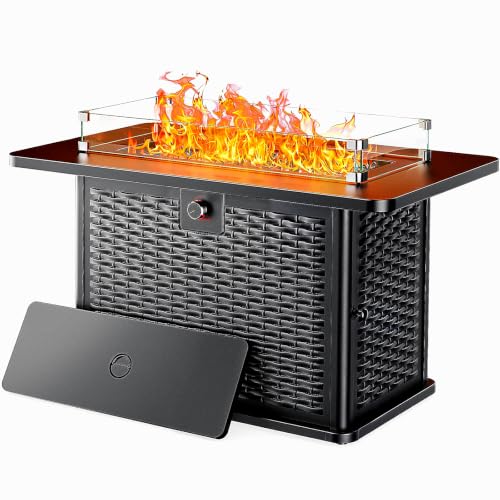
A propane fire pit table is a multifunctional outdoor furniture piece that serves as both a table surface and a fire feature. The unit houses a burner system connected to a propane tank, usually stored inside the base or a dedicated compartment. When lit, the fire pit table produces a clean-burning flame that provides warmth and ambiance without the ash, smoke, or sparks associated with wood-burning fire pits.
These tables come in a wide range of shapes — round, square, rectangular, and bar-height — and are typically constructed from materials like powder-coated steel, cast aluminum, stone composite, or concrete. Because propane is a clean fuel, a fire pit table is a popular choice for decks and patios where a low-maintenance experience is a priority.
Why Choose Propane Over Wood?
If you are exploring fire features for the first time, you may be weighing a fire pit against other options. Propane offers several practical advantages for patio use:
- Instant ignition: A push-button or electronic igniter starts the flame immediately, with no kindling or fire-starting materials required.
- No smoke or ash: Propane burns cleanly, leaving no soot or residue on furniture or clothing.
- Controllable heat: Most models include adjustable flame settings, so you can dial warmth up or down as the evening progresses.
- Safer around furniture: With no flying sparks or embers, propane is a practical choice for patios with nearby seating and decor.
- Year-round use: Unlike wood, propane does not require dry storage or dry conditions to function.
For a broader comparison of fire feature styles, including the differences between a gas fire pit and a fire patio table, our related guides cover the nuances in depth.
Key Components of a Propane Fire Pit Table
Before comparing models, it helps to understand the main parts that affect performance and longevity:
- Burner: Typically made from stainless steel. A higher-grade burner resists corrosion and delivers a more consistent flame. Some models use a ring burner, while others use a linear burner for a wider flame pattern.
- Ignition system: Push-button spark ignition is common on entry-level and mid-range models. Electronic ignition is more typical of premium and high-end tier units and provides more reliable starts.
- Tabletop material: Powder-coated steel, cast aluminum, and stone composite are the most common options. Each has trade-offs in weight, heat resistance, and weather durability.
- Base and storage: The base houses the propane tank. Some models feature a hidden propane tank inside design, while others use an external tank connection.
- Lava rock or fire glass: Decorative media that sits above the burner to distribute heat and enhance the visual appeal of the flames.
- Cover: A fitted cover protects the tabletop and burner from debris and moisture when the table is not in use.
Burner Types and Flame Patterns
The burner is the heart of a propane fire pit table. The three main configurations you will encounter are:
- Ring burner: A circular burner that produces a concentrated, central flame. It is common in round tables and works well for a classic campfire look.
- Linear burner: A straight burner bar that creates a wider, more uniform flame line. This style suits rectangular and square tables and is often preferred when the table is used for dining.
- Dual or multi-burner systems: Found on larger tables, these systems distribute heat more evenly across the table surface.
Entry-level models typically use a single ring burner with a basic spark igniter. Mid-range models often add adjustable flame control and a higher-grade stainless burner. Premium and top-tier units frequently include electronic ignition, dual burners, and reinforced burner housings designed for longer service life.
Table Materials Compared
The material of the tabletop and frame has a significant impact on durability, maintenance, and appearance. The table below uses universal quality descriptors to help you compare across product tiers without relying on numeric figures.
| Material | Durability Tier | Best For | Maintenance |
|---|---|---|---|
| Powder-coated steel | Essential to mid-tier | Everyday patio use | Wipe clean; touch up chips as needed |
| Cast aluminum | Mid-range to premium | Long-term outdoor exposure | Low; rust-resistant with proper care |
| Stone composite | High-end tier | Design-focused patios | Seal periodically; avoid harsh cleaners |
| Concrete | High-end to luxury | Permanent or semi-permanent installations | Seal annually to prevent staining |
Regardless of material, look for a fire table top that is rated for heat exposure and has a weather-resistant coating. A solid build with a rust-proof finish will hold up better across seasons.
Tank Configuration: Hidden vs. External
Where and how the propane tank is stored affects both the look and the practicality of the table. There are two common approaches:
Hidden Tank Inside the Base
In this configuration, the tank sits inside the table base and is accessed through a door or panel. Models described as a fire pit table with propane tank inside keep the tank out of sight, which gives the table a cleaner appearance. The trade-off is that the base is generally bulkier, and the tank may be heavier to lift in and out.
External Tank Connection
Some tables use a hose connection to an external tank, which is placed beside the table or concealed behind nearby furniture. This approach is common on lighter-weight or smaller tables and makes tank swaps quicker. If you plan to use the table frequently, check how accessible the tank compartment is — a well-designed door makes a noticeable difference.
For a deeper look at internal tank designs, see our guide on the fire pit table with built-in propane tank.
Safety and Placement Considerations
Propane fire pit tables are safe when used correctly, but a few basic rules should always be followed:
- Outdoor use only: Never operate a propane fire pit table indoors or in an enclosed space. Propane combustion consumes oxygen and produces carbon monoxide.
- Clearance: Keep the table at least a few feet away from walls, overhangs, and combustible materials. Check the manufacturer's clearance recommendations in the manual.
- Level surface: Place the table on a flat, stable surface. An uneven patio can cause the unit to tip.
- Leak check: Before the first use each season, check the hose and connections for leaks using a soapy water solution.
- Ventilation: Ensure the area is well-ventilated. Avoid placing the table in a corner where gas could accumulate.
- Children and pets: Supervise children and pets around any open flame. Consider a table with a glass wind guard if you have curious pets.
Practical tip: If your patio is exposed to wind, look for a model with a built-in wind guard or add an aftermarket glass shield. A shielded flame is more stable and uses fuel more efficiently.
How to Choose the Right Size and Shape
The size and shape of the table should match both your patio footprint and how you plan to use the space:
- Round tables: Best for conversation seating. A round fire pit coffee table works well in the center of a lounge arrangement.
- Square tables: A versatile middle ground. They fit neatly into smaller patios and pair well with four chairs.
- Rectangular tables: Ideal for dining or larger seating groups. A fire pit table rectangle design can double as a dining surface during the day and a fire feature in the evening.
- Bar-height tables: A good option for patios with a view, as the elevated surface allows guests to stand or perch on stools.
Measure your space before deciding. Leave enough room for chairs to pull out comfortably, and account for the space taken up by the propane tank. If your patio is on the smaller side, our guide on the fire pit table format covers compact options.
Pairing a Fire Pit Table with Seating
A fire pit table is only as comfortable as the seating around it. The style of seating you choose affects both the look and the usability of the space:
- Lounge chairs and swivel chairs: A fire pit chat set with swivel chairs makes it easy for guests to turn toward the fire or toward each other.
- Benches: A fire pit bench is a space-efficient option for longer rectangular tables.
- Adirondack chairs: For a relaxed, backyard feel, a fire pit with Adirondack chairs creates a classic campfire atmosphere.
- Dining sets: A fire pit dining table pairs naturally with a full dining set for al fresco meals.
Think about the flow of your patio. Leave clear paths between the fire table and doorways, and avoid placing seating so close that guests feel crowded by the flame.
Fuel Efficiency and Burn Time
Propane consumption depends on the burner size and the heat setting you use. As a general reference:
- A standard 20-pound propane tank provides roughly 8 to 12 hours of burn time on a medium setting.
- Higher heat settings consume fuel faster; lower settings extend burn time.
- Models with a wider flame pattern may use more fuel per hour than a concentrated ring burner.
Efficiency varies by tier. Entry-level units often have a single burner and basic valve, while premium and professional-grade models may include more efficient burner designs that deliver consistent heat with less waste. If you plan to use the table frequently, a model with adjustable flame control and a well-designed burner is a worthwhile investment in the long run.
Maintenance and Seasonal Care
A propane fire pit table requires modest upkeep to stay in good condition:
- Clean the tabletop: Wipe the surface with a mild soap solution after use. Avoid abrasive cleaners on stone or coated surfaces.
- Inspect the burner: Check for debris or spider webs in the burner ports at the start of each season. A clogged burner can cause uneven flames.
- Check the hose and connections: Look for cracks or wear, and perform a leak test before first use.
- Cover when not in use: A fitted cover protects the table from rain, dust, and leaves.
- Store the tank safely: Disconnect the tank for long-term storage and keep it upright in a well-ventilated area.
- Seal stone and concrete surfaces: Apply a suitable sealer annually to prevent staining and moisture damage.
For a broader look at outdoor furniture upkeep, our weatherproofing guide covers seasonal protection strategies for patio pieces.
Common Mistakes to Avoid
Buyers often run into the same issues when shopping for a propane fire pit table. Keep these pitfalls in mind:
- Ignoring the tank size: Not all models accommodate a standard 20-pound tank. Check the base dimensions before you commit.
- Overlooking the ignition type: Push-button ignition is fine for occasional use, but electronic ignition is more reliable for frequent lighting.
- Underestimating wind exposure: An exposed patio can make an unshielded flame unstable. A wind guard or a sheltered placement helps.
- Skipping the cover: Without a cover, debris and moisture can clog the burner and shorten the table's service life.
- Buying for looks alone: A stone composite table may look impressive, but if it is too heavy to move, it may not suit a patio you rearrange often.
Frequently Asked Questions
How long does a propane tank last in a fire pit table?
A standard 20-pound propane tank typically provides between 8 and 12 hours of burn time on a medium setting. Larger tanks or higher heat settings will change this duration. Many tables are designed with a hidden compartment to accommodate the tank discreetly.
Can a propane fire pit table be used indoors?
No. These tables are designed for outdoor use only. They consume oxygen and produce carbon monoxide, which can be hazardous in enclosed spaces. Always operate the table in a well-ventilated outdoor area.
Do propane fire pit tables produce smoke?
Propane fire pit tables produce very little smoke compared to wood-burning fire pits. The clean-burning nature of propane means no ash, sparks, or smoky smell, which is one reason they are popular for patios and decks.
What is the difference between a fire pit table and a fire table?
The terms are often used interchangeably. A fire pit table typically refers to a table-height unit with a central burner, while a gas fire table may describe a broader category that includes fire features integrated into coffee tables and dining tables. Both serve the same basic purpose: a table surface with a built-in flame.
How do I clean the burner on a propane fire pit table?
Turn off the gas and let the unit cool completely. Remove the lava rock or fire glass, then use a soft brush to clear debris from the burner ports. Check the air intake for blockages. Reassemble once everything is dry.
Ready to compare models? Browse our curated selection of propane fire pit tables and filter by burner type, table material, and tank configuration to find the right fit for your patio.
Explore Featured ModelsAll recommendations are based on category research and feature comparisons across product tiers.