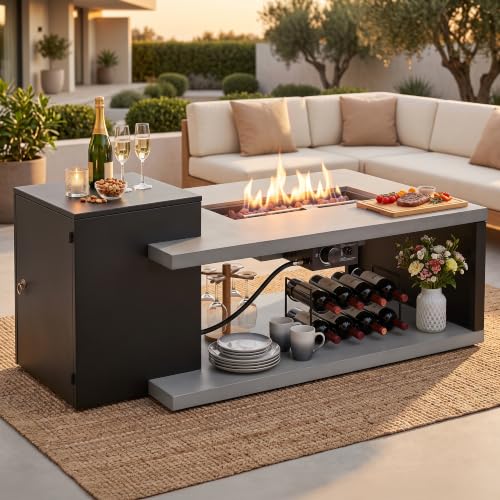
Modern Fire Table: The Complete Buying & Design Guide
Elevate your patio with a sleek fire table that blends warmth, ambiance, and contemporary style. Here is everything you need to know before choosing your next outdoor centerpiece.
Explore the GuideWhy a fire table deserves a place on your patio: Unlike a traditional fire pit, a modern fire table combines the function of a low dining or coffee table with a controlled, ambient flame. The result is a versatile piece of furniture that serves as a gathering point, a conversation starter, and a design anchor — all without sacrificing the practical surface area your outdoor space needs.
This guide walks you through the types of modern fire tables available, the materials that perform best, safety and placement considerations, and the design principles that make a fire table feel intentional rather than improvised. By the end, you will have a clear framework for choosing a piece that fits both your patio and your lifestyle.
What Is a Modern Fire Table?
A modern fire table is a low-profile outdoor table with a built-in burner integrated into its tabletop, typically powered by propane or natural gas. The flame is usually surrounded by fire glass, lava rock, or ceramic logs, and the rest of the tabletop remains a functional surface for drinks, plates, or decor. Compared with a classic fire pit, a fire table sits higher, has a cleaner silhouette, and is designed to coordinate with contemporary outdoor furniture. If you are still weighing the two formats, our guide to fire pit tables explains how they differ in use and layout.
Modern fire tables have become a staple in contemporary patio design because they solve a long-standing trade-off: you no longer have to choose between a fire feature and usable table space. They suit compact balconies, large decks, and everything in between, and they pair naturally with sectional seating or lounge arrangements.
Types of Modern Fire Tables
Modern fire tables fall into a few broad categories. Each has a distinct role in outdoor layouts, and understanding the differences helps you match the product to the space.
Coffee-Height Fire Tables
The most common format. These sit at lounge height and anchor a conversation area, often paired with sofas or lounge chairs. They work well as the visual and functional center of a seating zone.
Dining-Height Fire Tables
Built for shared meals and evening gatherings. These are taller and pair with dining chairs, making them suitable for patios used for entertaining rather than lounging.
Rectangular & Linear Fire Tables
Long, narrow designs that suit wide patios and define seating edges. They create a clean architectural line and often work well against a wall or along a railing.
Within each format, you will also find variations in burner style, fuel type, and finish. For a deeper look at how fire tables integrate with larger seating arrangements, our overview of fire table patio sets is a useful companion read.
Fuel Options: Propane vs. Natural Gas
Your fuel choice affects installation, flexibility, and how you use the table day to day. The two main options are propane and natural gas.
Propane Fire Tables
- Freestanding and portable — no gas line required.
- Commonly use a standard 20-pound tank, sometimes hidden inside the base.
- Easy to move between patio zones or store seasonally.
- Ideal for renters or patios without gas infrastructure.
Natural Gas Fire Tables
- Connected directly to a home gas line for continuous fuel.
- No tank refills or swap-outs to plan around.
- Requires professional installation and code compliance.
- Best for permanent, built-in patio layouts.
If you prefer the convenience of a self-contained unit, look for designs with an integrated tank compartment. Our article on a fire table with built-in propane tank covers the practical details of that configuration. For a broader comparison of fuel setups, the gas fire table guide explains burner efficiency and connection considerations.
Materials and Build Quality
Modern fire tables are exposed to heat, moisture, and UV light, so material quality matters more than on almost any other piece of patio furniture. The tabletop and base should be rated for outdoor use, and the burner assembly should be corrosion-resistant.
| Material | Best For | Tier Positioning |
|---|---|---|
| Powder-Coated Steel | Clean, modern silhouettes with strong structural rigidity | Entry-level to mid-range |
| Stainless Steel | High-heat environments and coastal patios | Premium to luxury |
| Cast Aluminum | Lightweight tables that resist rust | Mid-range |
| Concrete / Composite | Architectural, weighty modern looks | Premium to high-end |
| Wood / Wood-Composite | Warm, natural contrast with contemporary frames | Mid-range to premium |
If you are comparing finishes and surface options in more detail, the fire table top guide breaks down the trade-offs between glass, stone, and metal surfaces.
Key Features to Evaluate Before You Buy
When you are past the aesthetic stage and into the specs, these are the features that separate a well-specified fire table from an entry-level one.
- Heat output: Measured in BTUs, this determines how much warmth the table delivers. Higher output suits cooler climates and larger patios; lower output is often sufficient for mild evenings.
- Ignition system: Push-button and electronic ignition are the modern standards. A reliable ignition is the difference between a fire table you use often and one you avoid.
- Burner construction: Stainless steel burners resist corrosion and deliver more consistent flames than lower-grade alternatives.
- Tank storage: Concealed tank compartments keep the profile clean and protect the cylinder from weather.
- Included media: Fire glass, lava rock, or ceramic logs are often included, but not always. Confirm before purchase.
- Cover and accessories: A fitted cover extends the life of the table and is worth confirming as part of the package.
- Clearance requirements: Check the manufacturer's minimum distance from structures, furniture, and overhead coverings.
For a comparison of how these features map onto rectangular models specifically, see the rectangular fire pit table guide.
Safety, Placement, and Practical Use
A modern fire table is a controlled appliance, but it still requires sensible placement and use. The most important considerations are surface clearance, overhead clearance, and fuel safety.
Placement Basics
- Keep the table on a level, stable surface.
- Maintain the manufacturer's clearance from walls, railings, and furniture.
- Avoid placing under low pergolas, umbrellas, or tree branches unless rated for it.
- On wooden decks, use a heat-resistant mat beneath the unit.
Use and Maintenance
- Check the gas connection before each use.
- Keep the burner and media free of debris.
- Use a fitted cover when the table is not in use.
- Store propane cylinders safely and away from direct heat.
Safety is also a layout question. A fire table should sit at the center of a seating arrangement with enough room to walk around it. Our guide to fire pit seating covers spacing and chair arrangements that work well with fire features.
Design Tips for a Modern Fire Table
A modern fire table works best when it is treated as the anchor of a zone rather than an afterthought. The following design principles help it feel integrated with the rest of your patio.
- Let it anchor a seating zone. Center it within a sectional or lounge arrangement so the flame becomes the natural focal point.
- Repeat materials. If your patio furniture uses black aluminum or teak, look for a fire table that echoes those finishes.
- Use lighting contrast. Fire tables read best against a darker backdrop. Pair them with softer outdoor lighting so the flame remains the dominant visual element.
- Keep the surface usable. Choose a model with enough tabletop space to set down drinks or a tray without crowding the burner.
- Define the zone. An outdoor rug or a low border helps ground the seating area around the table.
If the fire table will be part of a larger backyard layout, our guide to a fire table backyard setup covers how to integrate it with paths, planting beds, and other zones.
Fire Table vs. Fire Pit: Which Fits Your Patio?
Fire tables and fire pits serve overlapping but distinct purposes. A fire pit is typically lower, more rustic in feel, and often the visual center of an open gathering area. A fire table is higher, more furniture-like, and integrates with lounge or dining seating. If your priority is a clean, contemporary look with usable surface area, a fire table is usually the better fit. If you want a more traditional, open-fire atmosphere, a fire pit may be preferable.
For a direct comparison of formats, read our guide to fire pits. If you are also considering how the table will pair with chairs, the fire pit with seating overview is a helpful reference.
Frequently Asked Questions
What is a modern fire table?
A modern fire table is a low-profile outdoor furniture piece that integrates a built-in fire feature into its tabletop. Typically powered by propane or natural gas, it combines the function of a coffee or dining table with the ambiance of a fire pit, making it a popular centerpiece for contemporary patios and decks.
Are modern fire tables safe to use on a wooden deck?
Most modern fire tables are designed with safety in mind and can be used on wooden decks when placed on a properly rated heat-resistant mat and positioned away from overhead structures. Always follow the manufacturer's clearance guidelines and check local fire regulations before use.
How long does a propane fire table burn on one tank?
Burn time varies by heat output and tank size. A typical mid-range fire table using a standard 20-pound propane tank can provide several hours of continuous flames at a moderate setting. High-end models with efficient burners and concealed tank compartments often deliver longer, more consistent burn times.
Do modern fire tables require professional installation?
Propane fire tables are generally plug-and-play and require no professional installation. Natural gas models, however, should be connected by a licensed professional to ensure safe and code-compliant operation.
Can a fire table be used as a coffee table?
Yes. Coffee-height fire tables are designed to function as both a fire feature and a usable surface. The tabletop around the burner is typically large enough for drinks, trays, and small decor, making the unit a true dual-purpose piece.
Ready to Choose Your Modern Fire Table?
Use the framework in this guide — fuel type, material, heat output, and placement — to narrow your options. When you have a shortlist, compare features side by side and confirm clearance requirements before you commit.
Explore Recommended Options