Fire Table Backyard: The Complete Guide to Choosing and Enjoying Your Outdoor Fire Feature
Everything you need to know about selecting, placing, and maintaining a fire table that transforms your backyard into a warm, inviting gathering space.
Why a fire table belongs in your backyard: A fire table bridges the gap between furniture and atmosphere. It gives you a usable surface for drinks and decor while producing a controlled flame that extends your outdoor season well into the cooler months. This guide walks you through every decision — from fuel type and material to placement and safety — so you can buy with confidence.
What Exactly Is a Fire Table?
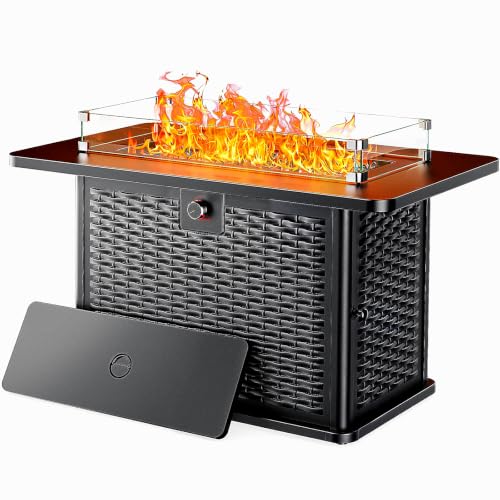
A fire table is a hybrid outdoor furnishing that pairs a flat tabletop with a built-in burner system. Instead of an open flame like a traditional fire pit, the fire emerges through a bed of fire glass, lava rocks, or ceramic logs, creating a contained and visually polished effect. The surrounding surface remains functional for setting down drinks, small plates, or decorative accents, which makes it a natural centerpiece for conversation areas.
Unlike a standalone fire pit that sits low to the ground, a fire table is typically designed at seating height so guests can gather around it comfortably. Many homeowners pair a fire table with a fire pit seating arrangement or integrate it into a broader fire patio table layout for a cohesive outdoor room.
Fuel Types: Propane vs. Natural Gas vs. Wood
The fuel source you choose affects installation, mobility, and how much maintenance the unit requires. Here is how the main options compare:
Propane (Liquid Petroleum)
The most common choice for backyard fire tables. Propane models are portable and do not require a gas line. You can use a standard tank or opt for a fire table with built-in propane tank for a cleaner look. Refilling is straightforward, but you will need to monitor fuel levels.
Natural Gas
Connected directly to your home's gas line, natural gas fire tables offer an endless fuel supply and no tank swapping. Installation requires a professional plumber or gas technician, and the unit is fixed in place. This is the preferred option for permanent backyard installations.
Wood-Burning
Wood fire tables deliver the classic crackle and aroma of a real fire, but they require more cleanup, produce smoke, and need a safe distance from structures. They are best suited to open backyard layouts with good ventilation.
For a deeper comparison of propane configurations, see our guide to the fire pit table propane options. If you prefer the convenience of a hidden tank, explore the fire pit table with hidden propane tank inside style.
Sizing and Placement for Your Backyard
A fire table should feel proportionate to your space and the seating around it. As a general rule, allow at least 24 to 36 inches of clearance on all sides so guests can move freely and chairs can be pulled in without crowding the flame.
Common Shapes and Their Best Uses
- Rectangular fire tables: Ideal for long, narrow patios or alongside a sofa. The fire pit table rectangle format works well as a linear focal point.
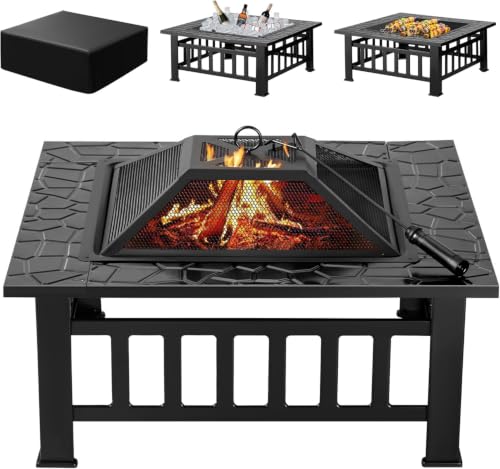
- Round or square fire tables: Best for symmetrical seating arrangements and compact backyard corners. Pair with a fire pit chat set with swivel chairs for a cozy conversation circle.
- Dining-height fire tables: These integrate with dining chairs and function as a full fire pit dining table, letting you serve meals and enjoy the flame at the same time.
If your backyard is small or you want a low-profile arrangement, a fire pit coffee table keeps the flame at lounge height without dominating the space. For a complete furniture set, consider a five piece patio set with fire pit that bundles seating and the fire feature together.
Materials and Build Quality: What to Look For
Because a fire table lives outdoors year-round, the material determines how well it withstands sun, rain, and temperature swings. The most durable options include powder-coated aluminum, stainless steel, and cast concrete. Powder-coated aluminum resists rust and stays relatively light, while cast concrete offers a heavy, grounded feel and excellent heat retention.
The tabletop surface deserves equal attention. Porcelain tile, stone, and tempered glass are common finishes. Tempered glass is easy to wipe clean but can show water spots, while stone and tile handle heat fluctuations gracefully. Look for a burner rated for outdoor use with a stainless steel pan and a reliable ignition system.
Understanding Product Tiers: Entry-Level to Luxury
Fire tables span a wide range of build quality and features. Rather than focusing on numbers, it helps to understand what each tier typically delivers so you can match the product to your long-term plans.
| Tier | Typical Construction | Best For |
|---|---|---|
| Entry-level | Powder-coated steel or lighter aluminum, basic manual ignition, smaller burner output | Occasional use, renters, or a starter backyard setup |
| Mid-range | Stainless steel burner, reinforced frame, electronic ignition, larger flame output | Regular family use and homeowners who want dependable performance |
| Premium | Cast aluminum or concrete body, high-grade steel burner, wind guard, hidden tank storage | Year-round enjoyment and design-conscious patios |
| Luxury / commercial-grade | Architectural concrete, marine-grade stainless steel, smart ignition, custom finishes | High-end backyard installations and hospitality-grade durability |
A mid-range model often represents a strong balance of durability and features for most households, while premium and luxury tiers are worthwhile investments if the fire table will be the centerpiece of your outdoor living space.
Safety Essentials for Backyard Fire Tables
A fire table is a controlled appliance, but it still requires respect and common sense. Follow these guidelines to keep your backyard safe:
- Keep the unit at least 10 feet away from flammable structures, overhanging branches, and fabric umbrellas.
- Use a heat-resistant mat or fire-rated pad beneath the table if it sits on a wooden deck.
- Never leave a lit fire table unattended, and keep children and pets at a safe distance.
- Check the burner and gas connections for leaks before each season of use.
- Store propane tanks upright in a ventilated area away from direct sunlight.
- Turn off the gas supply completely when the table is not in use.
For broader outdoor safety guidance, see our outdoor safety tips and our weatherproofing guide to protect your investment through every season.
Design Ideas: Styling Your Backyard Fire Table
A fire table is a natural focal point, so treat it as the anchor of your layout. Surround it with seating that encourages conversation — a pair of lounge chairs, a loveseat, or a curved sectional. Add a fire pit with Adirondack chairs for a casual, classic look, or pair it with a fire table patio set for a coordinated appearance.
If you want a modern aesthetic, a modern fire table with clean lines and a linear burner makes a striking statement. For a more relaxed, bohemian feel, layer in outdoor rugs, lanterns, and low planters around the base. Lighting matters too — a few outdoor lighting fixtures or string lights will complement the flame after dark.
Maintaining Your Fire Table Through the Seasons
Routine care keeps the flame burning cleanly and extends the life of the table. After each use, let the unit cool completely, then wipe the surface with a mild soap solution and a soft cloth. Avoid abrasive cleaners on glass and painted finishes.
Cover the table when not in use to keep debris and moisture out of the burner. During winter, if your climate brings freezing temperatures, disconnect the gas supply and store the burner components indoors when possible. For a detailed seasonal checklist, see our winter storage guide and furniture cleaner recommendations.
Frequently Asked Questions
What is a fire table and how does it work?
A fire table combines a flat surface with a built-in fire feature. Most models run on propane or natural gas and use a concealed burner beneath decorative fire glass, lava rocks, or ceramic logs to create a controlled flame.
Are fire tables safe to use on a wooden deck?
Yes, most propane and natural gas fire tables are safe on wooden decks because the flame is enclosed and heat rises vertically. Always check the manufacturer's clearance requirements, use a heat-resistant mat underneath, and keep the unit away from overhead structures.
How much heat does a backyard fire table produce?
Heat output varies by tier. Entry-level units typically produce around 30,000 to 40,000 BTU, mid-range models often reach 45,000 to 55,000 BTU, and premium or commercial-grade fire tables can exceed 60,000 BTU. Higher output suits larger patios and colder climates.
Can a fire table be left outside in winter?
Most modern fire tables use weather-resistant materials, but prolonged exposure to freezing temperatures and heavy snow can shorten their lifespan. A fitted cover and, in extreme climates, indoor storage of the burner components are recommended.
What is the difference between a fire table and a fire pit?
A fire pit is typically a low, open bowl or ring designed primarily for warmth and ambiance. A fire table adds a functional flat surface around the burner, making it suitable for drinks, small plates, and decor while still providing warmth and a focal point.
Ready to Transform Your Backyard?
Explore our curated selection of fire tables and patio essentials, handpicked for quality and style. Start building your dream outdoor space today.
Explore Fire Table OptionsContinue Exploring Fire Features
If you are still weighing your options, these related guides can help you refine your plan:
- Fire gas pit — compare gas-powered fire features
- Fire table gas — understand gas fire table configurations
- Fire table top — tabletop finishes and surface options
- Firepit table and chairs — coordinated seating sets
- Fire pit in backyard — layout and design inspiration
- Fire pit tables with propane tank inside — hidden tank solutions
- Fire pit build — DIY installation considerations
- Fire pit table — the broader category explained