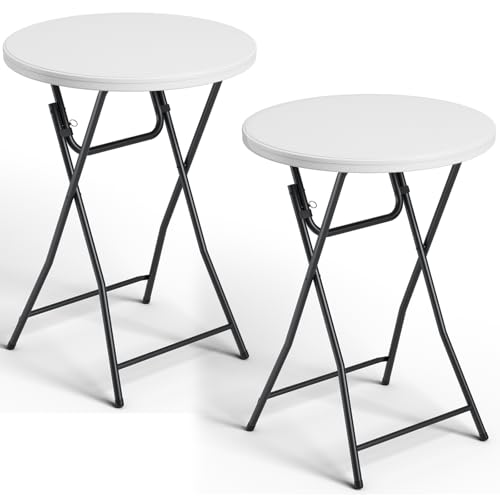
Folding Bistro Table Buying Guide
Everything you need to know about choosing a space-saving, weather-ready folding bistro table for your patio, balcony, or garden corner.
Why a folding bistro table deserves a place in your outdoor space: A folding bistro table combines a compact footprint with the charm of a classic café setup. It gives you a dedicated spot for morning coffee, a light lunch, or an evening drink without permanently occupying your patio or balcony.
Because it folds away, it is equally useful for apartment dwellers, homeowners with small decks, and anyone who likes to reconfigure their outdoor area for gatherings. This guide walks you through the key decisions so you can pick a model that suits your space, climate, and daily routine.
What Is a Folding Bistro Table?
A folding bistro table is a small, typically round or square outdoor table whose legs, frame, or tabletop collapse to make storage easy. Most designs pair a slim profile with a lightweight frame, so the table can be moved from a balcony to a patio or tucked into a closet between uses.
The format traces its roots to European café culture, where small tables allowed patrons to sit close to the street. Modern versions adapt that concept with weather-resistant materials, locking hinges, and finishes that hold up to sun and rain. Many models are sold as part of a folding bistro set, which includes matching chairs that also fold flat.
Who Should Consider a Folding Bistro Table?
Balcony and Apartment Dwellers
Limited floor space makes a foldable table a practical choice. It can be set up for a coffee break and collapsed afterward so the balcony stays walkable.
Small Patio Owners
If your patio also needs to accommodate a grill or lounge chairs, a folding table lets you add a dining surface without crowding the layout.
Casual Entertainers
An extra surface for drinks and snacks is useful during gatherings. A folding bistro table can be brought out for the occasion and stored afterward.
Seasonal Users
If you only use your outdoor area during warmer months, a table that folds flat is easier to store through the off-season.
Choosing the Right Size
Size is the first practical decision. A table that is too large will feel cramped on a balcony, while one that is too small will not comfortably hold two place settings. As a general rule, allow at least 24 inches of clearance around the table so chairs can be pulled out without scraping walls or railings.
Round tables tend to work well in compact corners because there are no sharp edges to navigate around. Square and rectangular models can fit neatly against a wall or railing. If you plan to use the table for two people, a round top with a diameter of roughly 24 to 30 inches is a common starting point. For a single user who mainly needs a coffee or laptop surface, a smaller square model may be sufficient.
Materials Compared
| Material | Weather Resistance | Weight & Portability | Best For |
|---|---|---|---|
| Powder-coated aluminum | Excellent; resists rust and fading | Lightweight and easy to fold | Balconies and patios exposed to rain |
| High-grade steel | Very good with a protective finish | Heavier and more stable | Windy locations and frequent use |
| Teak or acacia wood | Good when sealed and maintained | Moderate weight | Natural-looking patio and garden settings |
| Resin or plastic | Good; moisture-resistant and easy to clean | Very lightweight | Casual use and quick storage |
| Wrought iron | Durable but requires rust care | Heavy; less portable | Traditional French bistro styling |
Understanding Quality Tiers
Folding bistro tables are available across a range of quality levels. Rather than focusing on numbers, it helps to understand what each tier typically delivers in terms of construction and longevity.
- Entry-level tier Typically features a lighter frame and simpler folding mechanism. Suitable for occasional use, such as a seasonal balcony setup or a small breakfast corner. Expect basic weather resistance and a straightforward design.
- Mid-range tier Offers a more solid build, smoother hinges, and better powder-coated or sealed finishes. A good balance for regular daily use on a patio or deck, with improved stability and longer service life.
- Premium tier Features heavier-gauge frames, precision locking mechanisms, and high-grade materials such as teak or marine-grade aluminum. These models are built for year-round outdoor exposure and frequent folding and unfolding.
- Luxury tier Represents the top of the market, with designer styling, hand-finished details, and commercial-grade durability. Often chosen for upscale patios, boutique hotels, and spaces where the table is a design focal point.
Key Features to Evaluate
- Locking mechanism: A secure latch or locking hinge prevents accidental collapse and improves stability while in use.
- Fold-flat design: Check how compact the table becomes when folded, especially if storage space is limited.
- Tabletop finish: Powder-coated or sealed surfaces resist scratches, moisture, and UV fading.
- Foot caps: Rubber or plastic feet protect decking and prevent wobbling on uneven surfaces.
- Weight capacity: Consider what you plan to place on the table, including dishes, drinks, or a laptop.
- Assembly needs: Some models arrive fully assembled; others require minor setup. Check before ordering.
- Chair compatibility: If pairing with existing chairs, confirm the table height and clearance.
Design Styles to Consider
The style of your folding bistro table should complement the surrounding space. A classic French bistro table with curved legs and a marble-effect top suits a romantic, café-inspired balcony. Clean-lined aluminum models fit modern and minimalist patios. Wood-topped tables work well in cottage, farmhouse, and garden settings.
Color also matters. Dark tones such as charcoal and forest green recede visually and make small spaces feel larger. Bright colors can add personality to a plain balcony but may compete with other elements. Neutral whites and natural wood tones are versatile and easy to coordinate with cushions and planters.
Placement and Layout Tips
Where you place the table affects how often you use it. On a balcony, position it near a railing so you can enjoy the view, but leave enough room to walk past. On a patio, place it in partial shade if you plan to use it during midday, or pair it with a patio umbrella for flexible shade.
If the table is primarily for coffee and conversation, a corner or nook can make the setup feel cozy. If it doubles as a dining surface, keep it closer to the kitchen door for easy access. Consider the path of the sun throughout the day and whether the table surface will become too hot in direct afternoon light.
Care and Maintenance
Folding bistro tables are relatively easy to maintain, but a little routine care extends their life. Wipe the tabletop with mild soap and water after meals, and dry the folding mechanism after rain to prevent moisture from settling in the joints.
Inspect the frame periodically for chips or scratches. Touch-up paint on metal surfaces prevents rust from spreading. Wood tables benefit from a weather-resistant sealant applied according to the manufacturer's guidance. During prolonged bad weather or the off-season, store the table indoors or use a fitted cover.
Pairing with the Right Chairs
A bistro table is only as comfortable as the chairs around it. Folding chairs are the natural companion because they share the same space-saving logic. For a cohesive look, look for a matching set, or mix materials intentionally, such as a metal table with wooden chairs.
If you prefer a more relaxed seating style, consider French bistro chairs with woven seats, or lightweight aluminum chairs that stack or fold. Confirm that the chair seat height works with the table height so that knees fit comfortably underneath.
Final Buying Checklist
- Measure your available space and confirm clearance for chairs.
- Decide between round, square, and rectangular shapes based on your layout.
- Choose a material that matches your climate and maintenance preferences.
- Check the folding mechanism for secure locking and smooth operation.
- Confirm the table's weight and how compact it is when folded.
- Review the finish and weather resistance for outdoor use.
- Consider whether you need a matching chair set or will pair with existing seating.
- Read the care instructions and warranty details before ordering.
Ready to Find Your Folding Bistro Table?
Browse our recommended models below and compare features to find the right fit for your outdoor space.
Frequently Asked Questions
What is a folding bistro table best used for?
A folding bistro table is ideal for small spaces such as balconies, patios, decks, and breakfast nooks. It provides a compact surface for morning coffee, casual meals, or a laptop, and it can be folded away for storage when not in use.
Which material is most durable for a folding bistro table?
Powder-coated aluminum and high-grade steel offer excellent weather resistance and durability. Teak and acacia wood provide a natural look with good longevity when properly maintained. Resin and plastic models are lighter and resistant to moisture but suit lighter use.
How do I choose the right size folding bistro table?
For two people, a round table with a diameter of around 24 to 30 inches works well. For tighter balconies, a square or rectangular model that folds flat against a wall is practical. Always measure your available floor space and leave at least 24 inches of clearance around the table for chairs.
Can a folding bistro table stay outdoors all year?
It depends on the material and finish. Aluminum, powder-coated steel, and resin models handle outdoor conditions well. Wood tables should be treated and covered or stored during harsh winters. Even weather-resistant tables benefit from a protective cover when not in use.
How do I maintain a folding bistro table?
Wipe the surface regularly with mild soap and water, dry the folding mechanism after rain, and apply touch-up paint to any chips on metal frames. For wood, reapply a weather-resistant sealant as recommended. Store or cover the table during prolonged bad weather.