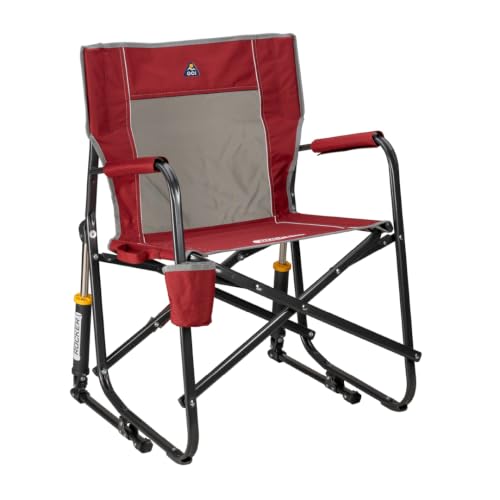
Folding Rocking Chair Buying Guide: Portable Comfort for Patios
Everything you need to know before choosing a foldable rocker — frame construction, fabric durability, rocking mechanics, stability, and space-saving design. Compare tiers, understand trade-offs, and find the right model for your outdoor lifestyle.
Compare Chair TiersWhat Makes a Folding Rocking Chair Different
A folding rocking chair combines two functions that are rarely paired well: the soothing motion of a traditional rocker and the packable convenience of a folding chair. Unlike a fixed outdoor rocking chair with cushions, a folding rocker collapses flat or nearly flat, making it a practical choice for balconies, small decks, RV trips, and campgrounds where storage space is limited.
The design trade-off is straightforward. Fixed rockers typically deliver a smoother, more stable rock because their frames are rigid and their rocker rails are longer. Folding rockers achieve portability through hinges, pivots, and lighter framing — which means the quality of the folding mechanism becomes the single most important factor in how the chair feels and how long it lasts.
For buyers in the research stage, the key question is not whether a folding rocker can work on a patio (it can), but whether a specific model's construction justifies its place in your outdoor setup. That depends on four variables covered in the sections below: frame material, fabric, mechanism, and stability.
Frame Materials: Steel, Aluminum, and Beyond
Frame material determines weight, durability, corrosion resistance, and how the chair behaves over years of outdoor exposure. Three categories dominate the folding rocking chair market.
Powder-Coated Steel
Steel is the most common frame material for folding rockers because it is strong, holds a rigid shape, and supports a confident rock. Powder coating provides a durable, chip-resistant finish that resists rust better than bare or painted steel. The drawback is weight — steel folding rockers are typically the heaviest option, which matters if you plan to move the chair frequently.
Steel is the right pick for a chair that stays on one patio and gets folded only seasonally. Look for reinforced welds at the pivot points, since those are the areas that experience the most stress.
Aluminum
Aluminum frames are significantly lighter and naturally rust-resistant, making them the preferred choice for travel, camping, and balconies where the chair is moved often. The trade-off is that aluminum can feel slightly less rigid than steel, and thinner aluminum tubing may flex under heavier users.
High-grade aluminum with thicker wall tubing and a powder-coated or anodized finish delivers the best balance of portability and structural confidence. If portability is your primary requirement, aluminum is the stronger choice.
Wood and Composite Frames
Wooden folding rockers exist but are less common because folding joints in wood are harder to engineer durably. Composite and resin frames offer weather resistance and a wood-like appearance, but they tend to be heavier and less consistent in rocking smoothness. These are best treated as decorative options rather than performance-focused ones.
Fabric and Cushion Considerations
Fabric is where folding rocking chairs most often fail. A chair with an excellent frame and a weak seat fabric will look worn long before its structure gives out. Two fabric properties matter most: UV resistance and tear strength.
Solution-dyed acrylic and high-denier polyester are the fabrics to prioritize. These hold color under sun exposure and resist fraying at stress points like the seat front and backrest top. Entry-level models sometimes use thinner polyester that fades and stretches within a couple of seasons — a common complaint in buyer feedback for lower-tier folding rockers.
Cushioning is optional on most folding rockers. Some models include a removable padded seat and back panel; others use a suspended fabric seat that conforms to the body. Suspended fabric seats are lighter and dry faster, but they offer less support for long sitting sessions. Removable cushions add comfort and can be stored separately during rain, which extends their lifespan considerably.
If you plan to use the chair for extended relaxation, look for a model with a slightly reclined back angle and a padded headrest area. For short sits and travel use, a simple suspended seat is usually sufficient. If you prefer dedicated padded seating, the broader category of folding outdoor chairs includes many models with thicker cushioning.
Rocking Mechanism and Folding Joints
The rocking mechanism is the defining feature of this chair type, and it is also the part most likely to develop problems. There are two main approaches.
Curved Rocker Rails
Traditional curved rails at the base of the chair produce a natural, pendulum-like rock. This design feels the most like a classic porch rocker, but it requires a flat, hard surface to function smoothly. On soft ground or thick carpet, curved rails dig in and the motion becomes jerky.
Spring or Pivot-Based Rocking
Some folding rockers use a spring-loaded or pivot-based system that creates a gentle rocking motion without curved rails. These models tend to fold more compactly and work better on uneven or soft surfaces, but the motion is usually shorter and less pronounced than a true rail rocker.
Regardless of mechanism, inspect the folding joint closely. The best designs use a metal locking hinge with a clear open and closed position. Cheap friction joints loosen over time, causing the chair to wobble or collapse unexpectedly. A locking joint that clicks firmly into place is a non-negotiable feature for safety.
Quality Tiers Compared
Folding rocking chairs fall into three broad quality tiers. Use this comparison to match a tier to your intended use rather than to compare brands directly.
| Tier | Typical Construction | Best For | Key Limitation |
|---|---|---|---|
| Entry-Level | Thinner steel or aluminum tubing, basic polyester fabric, friction or simple pin-lock joint, curved rails. | Occasional use, light sitting, seasonal balcony seating. | Fabric fades faster; rocking motion may feel less smooth over time. |
| Mid-Range | Powder-coated steel or thicker aluminum, solution-dyed fabric, locking metal hinge, reinforced pivots. | Regular patio use, family seating, mixed indoor-outdoor use. | Heavier than premium aluminum; cushioning may be basic. |
| Premium / Top-Tier | High-grade aluminum or heavy-duty steel, UV-stable fabric, precision locking hinge, padded removable cushions, higher stated weight capacity. | Frequent use, long sitting sessions, exposed patios, travel and camping. | Higher initial outlay; still benefits from covered storage in winter. |
Mid-range models are generally the sweet spot for patio owners who want a chair that folds but does not feel disposable. Entry-level models make sense for light, occasional use, while premium and commercial-grade options are justified when the chair will be used daily or left outdoors for long stretches. For a broader look at seating alternatives, the collection of garden chairs includes options that pair well with folding rockers on the same patio.
Stability and Safety on Different Surfaces
Stability is the most underrated factor in folding rocking chair selection. A rocker that feels stable on a showroom floor can feel precarious on a wooden deck or a sloped patio.
Curved-rail rockers perform best on flat, hard surfaces: concrete, stone, tile, and composite decking. On these surfaces the rails glide predictably. On grass, gravel, or thick outdoor rugs, the rails sink or catch, and the rocking motion becomes inconsistent.
If your patio has a slope or an uneven surface, a pivot-based or spring-based folding rocker is the safer choice, or you should place a flat mat under a rail rocker to create a consistent surface. Avoid positioning any folding rocker near the edge of a raised deck, and never use one on stairs or steep inclines.
Weight capacity is the other safety variable. Entry-level chairs often state a capacity around 250 pounds, while premium and commercial-grade models frequently support 300 to 350 pounds or more. Always follow the manufacturer's stated limit rather than relying on visual impressions of sturdiness.
Surface Guide
- Concrete and stone patios: any mechanism works; rail rockers feel best.
- Wooden decks: rail rockers are fine, but check that rails do not catch on board gaps.
- Grass and gravel: choose pivot or spring rockers, or use a flat base mat.
- Balconies: prioritize a locking joint and a compact footprint; confirm the balcony's own load guidelines.
Portability, Storage, and Space-Saving Design
The folding advantage is the reason this chair type exists. When evaluating portability, look at three specs: folded dimensions, chair weight, and whether the chair stands on its own when folded.
A good folding rocker collapses to a slim profile that can slide into a closet, behind a door, or into a car trunk. Aluminum models in the premium tier often weigh noticeably less than steel equivalents, which matters if you carry the chair between a storage room and a balcony regularly.
For small patios and balconies, a folding rocker is one of the most space-efficient seating choices available. It can serve as a primary reading chair during the day and disappear against a wall in the evening. If you are furnishing a compact space, the guide to cozy outdoor chairs for small spaces covers complementary seating that works alongside a folding rocker.
One practical tip: store the chair folded and dry. Folding a wet chair traps moisture in the hinges and fabric folds, which accelerates corrosion and mildew. A quick wipe-down before folding solves this.
Care and Weatherproofing
Folding rocking chairs need modest but consistent care to reach their expected service life. The routine is simple.
- Clean monthly during use: wipe the frame with a damp cloth and mild soap; rinse and dry the fabric.
- Lubricate the hinge seasonally: a small amount of silicone-based lubricant on the pivot points keeps the fold smooth and prevents squeaks.
- Inspect hardware: check bolts and rivets at the start of each season and tighten as needed.
- Store covered in winter: even rust-resistant frames last longer when protected from snow and prolonged rain.
- Remove cushions before rain: if the model has removable cushions, bring them inside or store them in a dry bin.
For broader maintenance guidance, the garden care section covers seasonal upkeep routines that apply to all outdoor seating. Fabric protection sprays can extend UV resistance, but they should be reapplied annually and only on fabrics approved by the manufacturer.
Pros and Cons at a Glance
Advantages
- Folds flat for compact storage on small patios and balconies.
- Portable enough to carry to campsites, picnics, and RV trips.
- Delivers the soothing rocking motion of a traditional rocker.
- Wide range of tiers, from entry-level to premium aluminum.
- Simple to clean and maintain compared to upholstered loungers.
Limitations
- Folding joints can loosen over time in lower-tier models.
- Rail-based rockers need flat, hard surfaces to function smoothly.
- Lighter frames may flex under heavier users.
- Fabric quality varies widely and is the most common failure point.
- Less supportive than dedicated padded lounge seating for long sessions.
If long, padded relaxation is your priority, a lounge chair or a garden lounger may suit you better. A folding rocker is the right choice when motion, portability, and compact storage matter most.
Frequently Asked Questions
What should I look for in a folding rocking chair?
Focus on frame material, weight capacity, folding mechanism, fabric durability, and rocking smoothness. A powder-coated steel or aluminum frame with a locking fold joint and weather-resistant fabric offers the best balance of portability and long-term performance.
Are folding rocking chairs stable on uneven ground?
Most standard folding rockers are designed for flat surfaces. For decks, patios, and campgrounds with uneven terrain, choose a model with wide, curved rocker rails or a self-leveling base. Avoid using a standard folding rocker on steep slopes or soft ground.
Can a folding rocking chair stay outdoors all year?
Only if it is built with rust-resistant framing and UV-stable fabric. Even then, folding the chair and storing it under cover during heavy rain, snow, or prolonged sun exposure will noticeably extend its service life.
How much weight can a folding rocking chair support?
Capacity varies by tier. Entry-level models often support around 250 pounds, while premium and commercial-grade models frequently support 300 to 350 pounds or more. Always check the manufacturer's stated weight limit rather than assuming.
Is a folding rocking chair good for small patios?
Yes. The fold-flat design makes it one of the most space-efficient outdoor seating options. When not in use, it can be collapsed and stored in a closet, shed, or against a wall, freeing up valuable floor space on compact balconies and patios.
Ready to Choose Your Folding Rocking Chair?
Match the tier to your use: entry-level for light seasonal seating, mid-range for regular patio use, and premium for daily comfort and travel. Then confirm the frame material, locking joint, and stated weight capacity before you decide.
Review the Tier Comparison