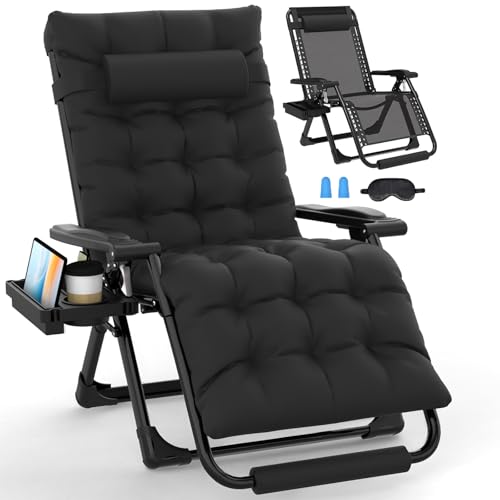
Garden Lounger: Your Ultimate Guide to Outdoor Relaxation
Transform your garden into a sanctuary of comfort. Discover how to choose the perfect garden lounger that matches your lifestyle, space, and relaxation needs.
EXPLORE THE GUIDEWhy a Garden Lounger Matters: A garden lounger is more than just outdoor furniture—it's an invitation to slow down, soak in the sun, and reconnect with nature. Whether you're reading a book on a lazy afternoon or hosting a garden party, the right lounger becomes the heart of your outdoor living experience. This comprehensive guide walks you through every consideration, from materials to ergonomics, so you can make a confident, informed decision.
Understanding the Garden Lounger
A garden lounger is a reclining outdoor seat designed for relaxation in gardens, patios, decks, and poolside areas. Unlike standard garden chairs, loungers typically feature an adjustable backrest that lets you shift from an upright reading position to a fully reclined sunbathing angle. This versatility makes them one of the most sought-after pieces of outdoor furniture for homeowners who value both comfort and aesthetics.
The modern garden lounger market offers an impressive range of options. You'll find sleek minimalist designs that complement contemporary landscapes, classic wooden models that evoke traditional garden charm, and weather-resistant fabric loungers that combine portability with durability. Understanding these variations is the first step toward selecting a piece that will serve you well for years.
Before diving into specific features, consider how you intend to use your lounger. Will it be a permanent fixture on your patio, or do you need something lightweight that you can move between sunny and shaded spots? Do you prefer a solo retreat for quiet mornings, or a lounger that pairs well with a garden chair set for social afternoons? Answering these questions early will streamline your decision-making process.
Types of Garden Loungers
Chaise Lounges
The classic chaise lounge is the most recognizable garden lounger style. With its long, contoured profile and adjustable backrest, it's designed for full-body support during extended relaxation. Chaise lounges work beautifully beside pools, on expansive lawns, and in dedicated sunbathing zones. Many models feature wheels for easy repositioning, making them practical for gardens that experience shifting sun patterns throughout the day.
Adirondack Loungers
Adirondack-style loungers bring a distinctive American heritage aesthetic to outdoor spaces. Characterized by their wide armrests, slatted backs, and gently reclined seats, these loungers offer generous comfort and a timeless silhouette. They're particularly well-suited to rustic, farmhouse, or cottage-style gardens. For those who appreciate this classic look, exploring Adirondack chairs with adjustable backrest reveals how this iconic design has evolved to include modern ergonomic features.
Folding and Portable Loungers
Folding garden loungers prioritize flexibility and storage convenience. These models collapse flat for easy stowing in sheds or garages during off-season months. They're ideal for gardeners who like to rearrange their outdoor layouts frequently or who have limited permanent space. Lightweight aluminum frames and quick-fold mechanisms make these loungers a practical choice for balconies and smaller gardens as well.
Wooden Garden Loungers
Wooden loungers—crafted from teak, acacia, eucalyptus, or cedar—offer natural warmth and a tactile appeal that synthetic materials struggle to replicate. Teak, in particular, is prized for its natural oils that resist moisture and decay, making it a top-tier choice for longevity. Wooden loungers often feature classic slatted designs that allow rainwater to drain quickly and provide breathable comfort on warm days.
Metal and Wicker Loungers
Aluminum and steel loungers deliver sleek, modern lines and exceptional durability. Powder-coated finishes protect against rust and corrosion, while the lightweight nature of aluminum makes repositioning effortless. Wicker and rattan loungers—whether natural or synthetic—add texture and a relaxed, resort-like feel to garden settings. High-quality synthetic wicker resists fading and cracking, making it a dependable option for year-round outdoor exposure.
Materials and Durability
The material of your garden lounger directly influences its lifespan, maintenance requirements, and comfort. Here's what to consider for each common material:
| Material | Best For | Key Characteristics |
|---|---|---|
| Teak Wood | Long-term outdoor placement | Natural oils resist moisture; develops elegant patina; heavy-duty construction |
| Aluminum | Portability and modern aesthetics | Lightweight; rust-proof finish when powder-coated; low maintenance |
| Synthetic Wicker | Texture-rich, resort-style gardens | UV-resistant; weather-resistant coating; comfortable woven feel |
| Acacia Wood | Entry-level to mid-range wooden options | Dense grain; requires periodic sealing; warm natural tone |
| Textilene Fabric | Quick-dry, poolside loungers | Breathable mesh; fade-resistant; easy to clean |
When evaluating durability, pay attention to joinery and hardware. Stainless steel screws and bolts resist corrosion far better than standard steel. Reinforced joints—whether welded, bolted, or mortise-and-tenon—signal a solid build that will withstand seasonal weather shifts. If your garden experiences harsh winters, consider a lounger that can be folded and stored, or invest in a quality cover to protect it during dormant months.
Quality Tiers: Finding Your Match
Garden loungers span a wide spectrum of quality and craftsmanship. To help you navigate the market without focusing on specific figures, here's a tier-based framework that describes what you can expect at each level:
Essential Tier
Entry-level garden loungers typically feature lightweight aluminum or steel frames with basic fabric seats. They're a solid choice for occasional use, balconies, or as a starter piece for new homeowners. Expect straightforward adjustability and simpler cushioning. With proper care, these loungers can serve for several seasons.
Balanced Tier
Mid-range loungers step up in material quality and ergonomic design. You'll find smoother reclining mechanisms, thicker cushions, and more refined finishes. Wooden models in this tier often use acacia or eucalyptus, while synthetic wicker options become more tightly woven and UV-stable. This tier represents good value for its class, balancing comfort and longevity.
Top-Tier
Premium garden loungers are built as long-term investments. Teak frames, marine-grade stainless steel hardware, and high-density quick-dry foam cushions define this category. Adjustability is often multi-position with smooth locking mechanisms. These loungers are designed to withstand years of outdoor exposure while maintaining their appearance and structural integrity.
When comparing tiers, focus on the features that matter most to your usage patterns. A mid-range lounger with a well-designed reclining mechanism may serve you better than a top-tier model with features you'll rarely use. Conversely, if your lounger will remain outdoors year-round in a demanding climate, investing in the premium tier often proves efficient in the long run.
Key Features to Evaluate
Adjustability and Reclining Mechanism
The heart of any garden lounger is its reclining system. Basic models offer three to five fixed positions, while premium loungers feature continuous adjustment or multi-position locking. Test the mechanism mentally: does it lock securely? Can it be operated with one hand? A smooth, reliable recline transforms a good lounger into a great one. For those who enjoy tanning, models with flat-lay capability are particularly desirable—similar to what you'd find in dedicated lounge chairs for tanning.
Comfort and Ergonomics
Look for contoured seats that support the natural curve of your spine. Wide armrests provide a comfortable place to rest a book or a drink. If the lounger includes cushions, check that they're thick enough to cushion pressure points but made from quick-dry, mold-resistant materials. Removable, washable covers are a practical bonus for families with pets or children.
Portability and Storage
Folding loungers with carry handles suit gardeners who like to reconfigure their outdoor spaces. Wheeled chaise lounges glide easily across patios and decks. Consider where you'll store the lounger during winter—a foldable design that tucks into a shed or corner of a garage offers significant convenience.
Weather Resistance
Your garden lounger will face sun, rain, and temperature fluctuations. UV-resistant fabrics prevent fading, while rust-proof finishes protect metal frames. Wooden loungers benefit from periodic sealing or oiling to maintain their weather resistance. If your garden is exposed to coastal salt air, prioritize marine-grade materials and hardware.
Aesthetic Integration
Your lounger should feel like a natural extension of your garden's design language. A minimalist deck calls for sleek aluminum or streamlined wooden loungers, while a lush cottage garden welcomes the charm of wicker or Adirondack styles. Think about how the lounger will relate to existing elements like a garden fountain or a garden statue—harmonious design elevates the entire outdoor experience.
Placement and Space Planning
Before finalizing your choice, map out where the lounger will live. A chaise lounge typically requires a clear area of at least 2 meters in length to allow full recline without obstruction. If space is tight, consider a compact folding lounger or a lounge chair with a more upright profile that takes up less depth.
Think about sun exposure. South-facing gardens receive the most consistent sunlight, making them ideal for sunbathing loungers. If your garden is partially shaded, a portable lounger lets you follow the sun throughout the day. For shaded retreats, pair your lounger with a gazebo or a shade sail to create a comfortable reading nook.
Also consider the surface beneath the lounger. Grass is soft but can become worn with repeated placement. Patios and decks provide stable footing, while gravel or mulch beds may require a lounger with wider feet to prevent sinking. If you're designing a dedicated relaxation zone, a large outdoor rug can define the space and add a layer of comfort underfoot.
Complementary Outdoor Furniture
A garden lounger shines brightest when it's part of a cohesive outdoor living setup. Consider these pairings to maximize your garden's functionality:
- Side tables: A small outdoor coffee table or a compact side table keeps drinks, books, and sunscreen within reach without cluttering the lounger itself.
- Shade solutions: A cantilever patio umbrella with tilt and rotation offers flexible shade that can be angled as the sun moves, protecting you during peak afternoon hours.
- Seating clusters: If you entertain often, position your lounger near a outdoor patio seating set so guests can move comfortably between conversation and relaxation zones.
- Ambiance: String lights or a garden fountain add sensory richness that makes lounging feel like a true escape.
- Dining proximity: For gardens that host meals, a 3-piece outdoor bistro set nearby creates a natural flow from lounging to dining.
By thinking of your garden lounger as part of a larger outdoor room, you'll create a space that feels intentional, welcoming, and deeply relaxing.
Caring for Your Garden Lounger
Proper maintenance extends the life of your lounger and keeps it looking its best. Here are practical care tips by material:
- Wood: Clean with mild soap and water, then apply a wood sealant or oil annually. Teak can be left to weather to a silver patina or treated to maintain its golden hue.
- Metal: Wipe down with a damp cloth. Check for scratches in the powder coating and touch up promptly to prevent corrosion.
- Fabric and Cushions: Brush off debris regularly. Spot-clean with a gentle detergent. Store cushions indoors during heavy rain or winter months to prevent mildew.
- Wicker: Vacuum woven surfaces to remove dust from crevices. Rinse with a hose occasionally and allow to dry fully in the sun.
During off-season months, cover your lounger or store it in a dry, sheltered space. This simple habit protects your investment and ensures the lounger is ready to enjoy when warm weather returns.
Frequently Asked Questions
What's the difference between a garden lounger and a lounge chair?
A garden lounger typically features a long, reclining profile designed for full-body relaxation, often with adjustable backrest positions. A lounge chair is generally more compact and upright, suited for reading or conversation. Both have their place—many gardens benefit from having both a lounger for sunbathing and lounge chairs for social seating.
Can I leave my garden lounger outside all year?
It depends on the material. Teak, powder-coated aluminum, and high-quality synthetic wicker are designed for year-round outdoor exposure. However, even durable materials benefit from a protective cover during harsh winters. Cushions and fabric components should be brought indoors or stored in a dry place when not in use.
How do I choose the right size lounger for my garden?
Measure the available space carefully. A standard chaise lounge is about 2 meters long when fully reclined. Ensure there's clearance for the backrest to lower without hitting walls, planters, or other furniture. For compact gardens, consider folding loungers or models with a more upright recline range.
Are wooden or metal garden loungers better?
Both have merits. Wooden loungers offer natural beauty and a warm aesthetic, while metal loungers are lightweight and require less maintenance. Teak wood is exceptionally durable outdoors, while powder-coated aluminum resists rust and suits modern design schemes. Your choice should align with your garden's style and your maintenance preferences.
What should I look for in a reclining mechanism?
A quality reclining mechanism should lock securely in multiple positions and operate smoothly. Test whether it can be adjusted while seated. Look for reinforced hinges and stainless steel hardware, which resist rust and wear better than standard components. Mid-range and premium loungers typically offer more refined mechanisms than entry-level models.
Ready to Elevate Your Outdoor Relaxation?
Explore our curated selection of garden loungers and find the perfect match for your outdoor sanctuary.
VIEW RECOMMENDED LOUNGERS