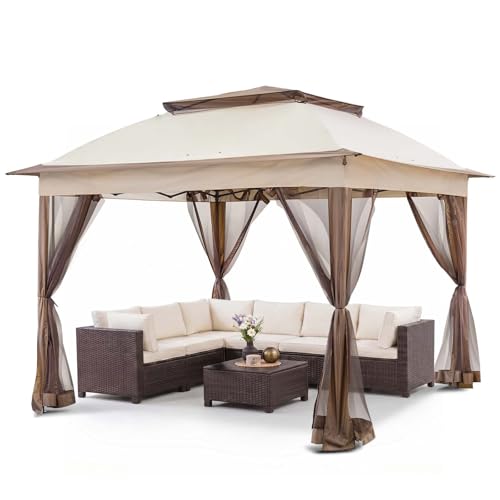
Gazebo Buying Guide: Find Your Perfect Outdoor Shelter
Everything you need to know about choosing a gazebo for your patio, garden, or backyard — from materials and sizes to features and placement.
What Is a Gazebo and Why Add One?
A gazebo is a freestanding, roofed outdoor structure that creates a defined space for relaxing, dining, or entertaining. Unlike a minimalist deck that relies on open air, a gazebo provides overhead protection from sun and light rain while keeping the sides open for airflow and views. It sits on its own footprint — on a patio, lawn, or gravel pad — and does not require attachment to a house.
Homeowners add gazebos for several practical reasons. They extend usable outdoor time by blocking midday sun and offering shelter during passing showers. They create a focal point that anchors a garden or backyard layout. And they define a dedicated zone — a reading nook, an outdoor dining room, or a spa-like retreat — without the expense and permanence of a full room addition.
If you are still mapping out your overall outdoor plan, our guide to outdoor furniture sets can help you think about how seating, dining, and shade pieces work together. A gazebo often becomes the anchor piece that everything else relates to.
Types of Gazebos
The first major decision is the type of gazebo. Each style balances permanence, weather protection, and ease of setup differently.
Hardtop Gazebos
Hardtop gazebos use a rigid roof — typically aluminum, steel, or polycarbonate panels — supported by a metal frame. They offer the strongest weather protection, handle snow loads better than fabric, and are generally designed for year-round use. Most hardtop models are permanent or semi-permanent and require anchoring to a patio or ground foundation. They sit in the mid-range to premium tier and are the preferred choice for homeowners who want a long-term structure.
Softtop (Fabric) Gazebos
Softtop gazebos feature a fabric canopy stretched over a metal or fiberglass frame. They are lighter, easier to move, and typically quicker to assemble. Many are designed as seasonal structures — you can set them up for summer and store them before winter. Fabric canopies should be removed or the unit taken down ahead of heavy snow or high winds. These models fall in the entry-level to mid-range tier and suit renters or those who want flexibility.
Pop-Up and Portable Gazebos
Pop-up gazebos assemble in minutes with a folding frame and fabric top. They are ideal for temporary events, markets, and camping rather than permanent backyard installation. They offer limited weather protection and are best treated as occasional-use shelters.
Wood Gazebos
Wood gazebos — often cedar or pine — deliver a classic garden look and blend naturally with landscaping. They are heavy, usually permanent, and require periodic sealing and staining to resist moisture and insects. Wood gazebos sit in the premium to luxury tier and are typically installed by professionals. They pair beautifully with garden care routines because the surrounding plantings often become part of the design.
Metal Frame Gazebos
Aluminum and steel frames are the most common choice for both hardtop and softtop models. Aluminum resists rust and stays relatively light; steel is stronger but heavier and needs a rust-proof finish. Look for powder-coated frames described as weather-resistant or rust-proof for the best longevity.
| Type | Best For | Weather Protection | Tier |
|---|---|---|---|
| Hardtop (aluminum/steel) | Year-round backyard use, snow regions | High — solid roof, snow-capable | Mid-range to premium |
| Softtop (fabric) | Seasonal use, renters, flexible placement | Moderate — sun and light rain | Entry-level to mid-range |
| Pop-up / portable | Events, markets, temporary shade | Basic — fair-weather only | Entry-level |
| Wood (cedar/pine) | Classic garden focal point, permanent install | High — with proper sealing | Premium to luxury |
Roof and Frame Materials Explained
Material choice drives durability, maintenance needs, and how the gazebo handles weather over time.
Aluminum Frames
Aluminum is lightweight, naturally rust-resistant, and commonly powder-coated for extra protection. It is the standard for hardtop gazebos and many softtop models. High-grade aluminum frames with reinforced joints handle wind better than thin-walled budget frames. If you want a structure that stays up through multiple seasons with minimal fuss, aluminum is a solid baseline.
Steel Frames
Steel offers greater strength per thickness, which matters for larger spans and heavy snow loads. The trade-off is weight and the need for a quality rust-proof finish. Heavy-duty steel frames with galvanized or powder-coated surfaces are common in premium hardtop models.
Polycarbonate and Metal Roof Panels
Polycarbonate roof panels are lightweight, impact-resistant, and block UV rays while letting light through. They are common on mid-range hardtop gazebos. Metal roof panels — steel or aluminum sheets — are heavier and more durable but can be noisier in rain and require good ventilation to prevent heat buildup underneath.
Fabric Canopies
Canopy fabrics are typically polyester or polyethylene, often with UV-resistant coatings. Look for water-resistant or water-repellent descriptions and reinforced seams. Fabric will degrade over time in strong sun, so replaceable canopies are a practical feature — many softtop models sell replacement tops separately.
Wood
Cedar resists rot and insects naturally; pine is more susceptible but can be treated. Wood gazebos need annual inspection, resealing every one to two years, and attention to fasteners and joints. In return, they offer a warmth and architectural presence that metal and fabric cannot match.
Tip: Whichever material you choose, check that fasteners and connectors are stainless steel or similarly corrosion-resistant. Small hardware is often the first thing to fail on an otherwise solid structure.
Choosing the Right Gazebo Size
Gazebo dimensions are usually listed as width by depth in feet. The right size depends on what you plan to place inside and how much clearance you want around the furniture.
- 8x8 to 10x10: Fits a bistro set, two chairs, or a reading nook. Good for compact patios and small gardens.
- 10x12: Comfortably holds a dining table for four with chairs, or a small lounge arrangement.
- 12x12: A versatile middle ground — dining for four to six, or a conversation set with a coffee table.
- 12x14 to 12x16: Room for dining plus lounge seating, or an outdoor kitchen-style setup. Suits entertaining groups.
As a rule of thumb, leave at least two to three feet of walking space around your furniture inside the gazebo. If you plan to add a dining set, measure the table and chairs together and add clearance on all sides before finalizing the footprint. For dining-focused setups, our guides to a six-person outdoor dining set with cushions and a seven-piece patio dining set with cushions show typical layouts that fit inside a 12x12 or larger gazebo.
Also consider height. Standard gazebos offer six to seven feet of clearance at the eaves. If you are tall or plan to hang lights or a fan, look for ridge heights of nine feet or more.
Key Features to Consider
Roof Ventilation
A two-tier roof or built-in vents allow hot air to escape, which makes a meaningful difference on sunny days. Solid single-layer roofs without ventilation can turn a gazebo into an oven in midsummer.
Curtains and Netting
Many gazebos include fabric curtains for privacy and mosquito netting for bug protection. Removable sidewalls extend the season by blocking wind. Check whether curtains and netting are included or sold separately, and whether they are machine-washable.
Anchoring and Weight Capacity
Permanent hardtop models should be anchored to a hard surface or ground foundation. Softtop models often include stakes or weighted feet. Wind is the biggest threat to any gazebo — pay attention to the manufacturer's wind rating and anchoring recommendations.
Assembly Complexity
Pop-up models assemble in minutes. Hardtop and wood gazebos can take a full day or more with two or more people, and some wood models are best left to professional installers. Factor in the time and help you will need before ordering.
Integrated Lighting and Power
Some hardtop gazebos include hooks or mounting points for lights and fans. If you want evening ambiance, plan for outdoor lighting or solar options. For a full shade-and-shelter strategy across your yard, a gazebo works well alongside a cantilever patio umbrella with tilt and rotation over a separate seating area.
Placement and Foundation
Where you place the gazebo affects both usability and longevity. Consider sun path, prevailing wind, drainage, and access to the house.
- Sun and shade: A gazebo that blocks harsh afternoon sun over a seating area is more useful than one placed in full morning sun that you rarely use.
- Drainage: Avoid low spots where water pools. A slight slope or a gravel pad beneath a softtop model helps.
- Foundation: Hardtop and wood gazebos typically need a level patio, concrete pad, or deck footing. Softtop models can sit on grass, gravel, or a patio with appropriate anchoring.
- Access: Leave room to walk in and out comfortably and to move furniture inside. Avoid blocking garden paths or doors.
If your yard layout is still taking shape, our guide to garden care and outdoor fountains can help you plan surrounding features so the gazebo feels integrated rather than dropped in.
Installation and Assembly Tips
- Read the manual first. Lay out all parts and hardware before starting. Missing pieces are far easier to identify on day one.
- Recruit help. Most gazebos need two people, and larger hardtop models benefit from three or four during roof panel placement.
- Level the ground. An uneven surface stresses the frame and makes doors and panels misalign. Use shims or a prepared pad.
- Anchor properly. Follow the manufacturer's anchoring instructions exactly. Wind uplift is the most common cause of gazebo failure.
- Check local rules. Permits and HOA rules vary widely by size and permanence. Confirm before installation.
Maintenance and Seasonal Care
Regular care extends the life of any gazebo and keeps it looking sharp.
- Clean the roof seasonally. Remove leaves and debris from roof panels and gutters. Rinse polycarbonate panels with mild soap and water.
- Inspect the frame. Check bolts, brackets, and joints twice a year. Tighten loose hardware and touch up any scratches on powder-coated surfaces.
- Care for fabric. Remove and store canopies before heavy snow. Clean fabric according to the manufacturer's instructions and let it dry fully before storing.
- Wood care. Reseal wood gazebos every one to two years, and inspect for rot around the base and roof joints.
- Winter prep. For softtop models, take down the canopy or the whole structure. For hardtop models, clear snow promptly to avoid overloading the roof.
If your gazebo houses seating or dining furniture, pair your maintenance routine with good furniture care. Our fire pit covers guide shows how protective covers work for related outdoor pieces, and the same principles apply to covering gazebo furniture when not in use.
Frequently Asked Questions
What is the difference between a gazebo and a pergola?
A gazebo has a solid roof that provides full overhead coverage, while a pergola has an open slatted roof that offers partial shade. Gazebos enclose more space and generally provide better weather protection.
Do I need a permit to install a gazebo?
Permit requirements vary by municipality and depend on the size, height, and foundation type. Small pop-up or softtop models often need no permit, while permanent hardtop structures frequently require one. Always check with your local building authority before installation.
Can a gazebo stay up year-round?
Hardtop gazebos made from aluminum or wood are typically designed for year-round use. Softtop fabric models should generally be taken down or have their canopy removed before heavy snow or high-wind seasons to prevent damage.
What size gazebo do I need?
A small 8x8 or 10x10 gazebo suits a bistro set or reading nook. A 10x12 or 12x12 model comfortably fits a dining table for four to six. Larger 12x14 and 12x16 structures accommodate lounge seating, dining, and entertaining groups.
How do I protect a gazebo from wind?
Anchor it according to the manufacturer's instructions, choose a model with a suitable wind rating, and avoid leaving fabric canopies up during storms. For softtop models in windy areas, taking the canopy down when not in use is the safest approach.
Ready to Choose Your Gazebo?
Browse recommended gazebo options and compare features to find the right fit for your outdoor space.
Explore Gazebo Options