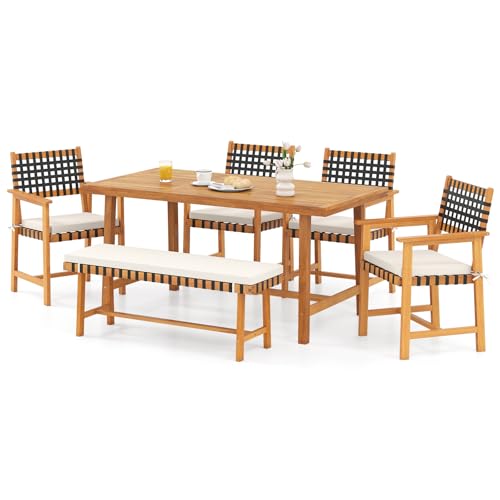
6 Person Outdoor Dining Set with Cushions: The Complete Buying Guide
Everything you need to know before choosing a six-seater patio dining set with cushions — frame materials, table shapes, cushion fabrics, layout planning, and care routines — so your backyard gatherings feel effortless season after season.
Explore Recommended SetsWhy this guide matters: A six-person outdoor dining set is one of the largest furniture investments you will make for your patio. It needs to fit your space, survive the weather, and keep six guests comfortable through long meals. This guide walks you through every decision point so you can buy with confidence rather than guesswork.
Why a 6 Person Outdoor Dining Set with Cushions Works for Most Households
Six seats is the sweet spot for most patios and decks. It is large enough to host a family dinner or a small gathering of friends, yet compact enough to leave walking space around the table. A cushioned six-seater set also doubles as a comfortable spot for morning coffee, homework, or working outdoors — something hard plastic chairs cannot match.
Compared with smaller configurations, a six-person set gives each diner roughly 24 inches of table edge, which is the comfortable minimum for a full place setting. Compared with eight-seat sets, it fits into tighter footprints and is easier to rearrange when you need open floor space. If you are still weighing sizes, the differences between a four-person outdoor dining set and a six-seater become obvious the first time you host a dinner party.
Cushions are the detail that turns a functional table into a place people linger. They soften metal or wicker frames, add color and texture, and make long meals far more pleasant. The trade-off is maintenance — which this guide covers in detail so cushions stay fresh rather than becoming a chore.
Table Shape and Layout: Rectangular vs. Round vs. Oval
The shape of your table determines traffic flow, umbrella compatibility, and how the set fits your patio boundaries. Here is how the three common shapes compare for six diners.
| Shape | Typical Six-Seat Dimensions | Best For | Considerations |
|---|---|---|---|
| Rectangular | 59–72 in long, 35–40 in wide | Narrow patios, defined dining zones, umbrella use | Two seats per long side plus one at each end; measure end clearance carefully |
| Round | 54–60 in diameter | Square patios, conversation-focused meals, tight corners | No head-of-table seat; check that chairs tuck in without blocking walkways |
| Oval | 60–72 in long, 38–42 in wide | Softening rectangular spaces, mixed seating arrangements | Fewer off-the-shelf cover options than rectangular tables |
If your patio is square or you love the look of a centerpiece umbrella, a round six-person dining set keeps sightlines open and makes serving feel natural. If your space is long and narrow, a rectangular set with an expandable table and umbrella hole gives you flexibility for larger gatherings later.
One practical tip: mark your intended table footprint on the patio with painter's tape before ordering. Include 36 inches of clearance on all sides for chairs to pull out comfortably. That tape outline prevents the most common buying regret — a beautiful set that leaves no room to walk.
Frame Materials: Aluminum, Steel, Wicker, and Wood
The frame determines how much maintenance the set needs and how long it lasts. Powder-coated aluminum is the most popular choice for six-person sets because it resists rust, stays light enough to rearrange, and handles humid or coastal conditions well. High-grade steel is heavier and very stable but requires touch-up paint if the coating chips. Resin wicker over an aluminum frame delivers a traditional woven look with good durability when the weave is UV-stabilized.
Wood frames — teak, acacia, or eucalyptus — bring warmth and age gracefully, but they need periodic sealing and should be covered during harsh winters. For a deeper comparison of how woven and solid frames perform over time, see our guide to high-quality wicker patio furniture.
Entry-Level Tier
Lightweight aluminum or resin frames with basic powder coating. Adequate for covered patios and fair-weather use; inspect welds and coating quality closely.
Mid-Range Tier
Thicker aluminum or high-grade steel with reinforced joints and UV-stabilized wicker. The most common choice for year-round outdoor use in mixed climates.
Premium / High-End Tier
Heavy-gauge aluminum, hand-woven all-weather wicker, or solid teak with mortise-and-tenon joinery. Built for daily use and multi-season exposure.
Luxury Tier
Commercial-grade frames, designer cushion fabrics, and detailed finishing. Chosen when the set is a long-term focal point of the outdoor space.
Cushion Fabrics and Foam: What Actually Survives Outdoors
Cushions are where most six-person sets succeed or fail over time. The cover fabric and the foam core both matter, and they are usually specified separately. Here is what to look for.
Cover Fabrics
- Solution-dyed acrylic: The gold standard for outdoor cushions. Color is locked into the fiber, so it resists fading and holds up to repeated cleaning.
- Olefin: Lightweight, quick-drying, and resistant to mildew. A solid mid-tier choice that feels softer than polyester.
- Polyester blends: Common in entry-level sets. Acceptable for covered patios, but expect faster fading in direct sun.
- Water-repellent treated fabrics: Helpful for spills, but they still need to be brought in during heavy rain to avoid water pooling in seams.
Foam Cores
- Quick-dry reticulated foam: Open-cell structure lets water pass through instead of soaking in. The best option for uncovered patios.
- Closed-cell foam: Comfortable and supportive, but can trap moisture if the cover is not breathable.
- Fiber fill: Soft and shapeable but compresses over time; best for back cushions rather than seat cushions.
If you want to understand how cushion thickness and density affect comfort, our guide to deep-seating outdoor cushions breaks down sizing and fill choices. And when it is time to replace or refresh covers, a set of two outdoor chair cushions is the simplest way to update a six-seater without replacing the whole set.
What Should Be Included in a Six-Person Set
Set compositions vary widely, and the differences affect both comfort and how much you need to add separately. Use this checklist when comparing listings.
- One dining table sized for six (rectangular, round, or oval)
- Six dining chairs with matching seat cushions
- Six back cushions (some sets omit these — confirm before ordering)
- Umbrella hole with a reinforced ring and base compatibility
- Assembly hardware, tools, and clear instructions
- Care guide or fabric cleaning recommendations
- Warranty details for frame and cushions (often different lengths)
Some designs substitute a bench for two chairs, which saves space but reduces individual seating comfort. If you like the bench look, consider a large outdoor dining table with bench and chairs — just verify that bench height matches the table for comfortable seating.
Measuring Your Space: Fit, Clearance, and Umbrella Planning
Before you commit to a set, measure three things: the available patio area, the clearance around the table, and the height of any overhead structures such as pergolas or awnings. A six-person set needs 36 inches of open space on each side for chairs to slide out. If your patio is bounded by walls or railings, subtract those from your usable footprint first.
Umbrella planning deserves its own step. A center-pole umbrella through a table hole is the most stable shade solution for six diners, but it requires a heavy base and a table thick enough to support the pole. Cantilever umbrellas are an alternative when the table lacks a hole — our guide to a cantilever umbrella with weighted base explains base sizing. For sets that combine shade and seating, an outdoor dining set for six with umbrella is a convenient all-in-one option.
Finally, think about storage. Cushions that live outdoors need somewhere to go during storms. A deck box near the table, or a seating piece with cushion storage, keeps pads dry and extends their life.
Care and Maintenance for Frames and Cushions
A six-person set gets used often, so a simple routine keeps it looking new. For frames, rinse with a garden hose monthly, wipe down with mild soap, and touch up any chips in powder coating before rust can start. Aluminum and resin wicker need little more than that. Wood frames benefit from an annual application of outdoor-grade sealant.
For cushions, shake them out after use, stand them on edge to dry if they get wet, and clean spills promptly with a mild soap solution. Avoid harsh bleach-based cleaners on solution-dyed acrylic — they can dull the color. Store cushions in a dry, ventilated space during off-season months, and use breathable covers rather than tight plastic, which traps moisture and encourages mildew.
If your set includes an umbrella, check the fabric and ribs at the start of each season. A small tear in the canopy can widen quickly in wind. Replacements are widely available, and keeping the umbrella in good shape protects the table beneath it.
How a Six-Person Set Compares with Other Configurations
Six-seat sets are not the only option, and understanding the alternatives helps you confirm the choice. A high-top outdoor dining set for six raises the table to bar height, which suits standing gatherings and patios with a view. A seven-piece patio dining set with cushions typically adds a bench or an extra chair for occasional guests. And a bar-height set with swivel chairs offers a more lounge-like feel for casual meals.
If your priority is a traditional sit-down dinner, a standard-height six-person set with cushions remains the most versatile choice. If you entertain casually and often, a high-top or bar-height configuration may fit your lifestyle better. Either way, measure first and confirm the cushion count before ordering.
Final Buying Advice: What to Prioritize
When comparing six-person sets, prioritize the frame material and cushion fabric over decorative details. These two elements determine longevity and daily comfort. Next, confirm the table dimensions against your measured footprint and the umbrella compatibility if shade matters to you. Finally, check the warranty terms — a long frame warranty signals confidence in construction, and a separate cushion warranty tells you how the maker views fabric durability.
For a broader look at how six-seat sets fit into different patio layouts, our six-piece outdoor dining set guide covers configuration options, and the outdoor dining chairs set of six with cushions page focuses on chair-only purchases if you already own a table.
See Recommended Six-Person Sets →Frequently Asked Questions
What size outdoor dining set fits six people comfortably?
A six-person set typically includes a rectangular table 59–72 inches long and 35–40 inches wide, or a round table at least 54 inches in diameter. Each diner needs about 24 inches of table edge, and the set needs 36 inches of clearance on all sides for chairs to pull out.
How do I protect outdoor dining cushions from rain and sun?
Choose solution-dyed acrylic or olefin covers with quick-dry foam cores. Bring cushions indoors during heavy rain, use a breathable cover when the set is idle, and clean spills promptly with mild soap and water. Store cushions in a dry, ventilated space during the off-season.
Which frame material is best for a six-person patio dining set?
Powder-coated aluminum offers the best balance of rust resistance, light weight, and low maintenance. High-grade steel is heavier and very stable but needs touch-up paint if chipped. UV-stabilized resin wicker over aluminum gives a traditional look with good durability.
Do six-seater patio tables need an umbrella hole?
An umbrella hole is highly recommended because the table provides the most stable base for a large shade canopy. Pair a pre-drilled table with a properly weighted base and an umbrella rated for the table's size, or use a cantilever umbrella if the table lacks a hole.
How many cushions come with a six-person outdoor dining set?
Most sets include six seat cushions and six back cushions, though some designs use a single long bench cushion or omit back cushions. Confirm the exact cushion count before ordering so you can plan for any extras you may want.