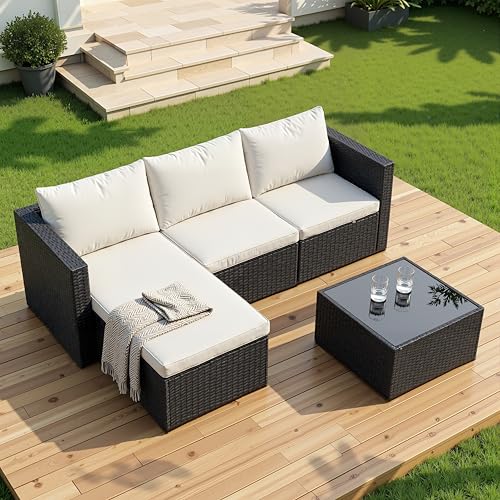
Outdoor Patio Sectional with Storage for Cushions: The Complete Buyer's Guide
An outdoor patio sectional with storage for cushions solves two of the most common backyard frustrations at once: it gives you generous, lounge-ready seating and a built-in place to stash cushions when the weather turns or the season ends. This guide walks through the features that matter, the materials to compare, and the layout questions worth answering before you commit to a model.
Why Choose a Sectional with Built-In Cushion Storage?
A sectional is already the most space-efficient way to seat a group on a patio — it wraps seating around a conversation zone rather than scattering individual chairs. Adding cushion storage turns the piece into a self-contained system. Instead of hauling cushions into the garage before every storm, you lift a seat lid, tuck them away, and the patio stays tidy.
The practical benefits stack up quickly:
- Protection from the elements. Cushions stored inside a compartment avoid direct sun, rain, and morning dew that accelerate fabric fading and mildew.
- Less clutter. No more plastic bins stacked in a corner or cushions draped over railings to dry.
- Longer cushion life. UV exposure and repeated wet-dry cycles are the main enemies of outdoor foam and fabric. Storage slows both.
- Cleaner sightlines. A sectional with storage reads as one cohesive piece of furniture rather than a seating unit plus a pile of accessories.
If your patio doubles as a family room or an entertaining space, this combination is worth prioritizing. For homeowners still mapping out the broader layout, our guide to outdoor living essentials covers how seating, shade, and dining zones fit together.
How Cushion Storage Works in a Patio Sectional
Storage designs vary more than most buyers expect. Understanding the three main approaches helps you judge whether a model will actually be convenient day to day.
Under-Seat Compartments
The most common design. One or more seat sections have a hinged or lift-off lid that reveals a shallow-to-medium cavity. The depth determines what fits: thinner seat cushions store easily, while thick back cushions may need a dedicated corner unit. Hinged lids with gas struts are more convenient than lift-off lids, especially on larger sections.
Corner or End-Unit Storage
Some modular sectionals place a taller storage cabinet in the corner or at one end. This usually offers more vertical room, making it better for back cushions and throw pillows. The trade-off is that the corner unit may be heavier and less flexible to rearrange.
Integrated Deck Boxes
A few designs incorporate a bench-style deck box into the sectional footprint, often at the end of an L-shape. This blurs the line between seating and storage and works well on compact patios where every square foot counts. Browse related compact layouts in our small patio design guide.
Quick Check Before You Buy
Measure your largest cushion and compare it to the compartment's internal dimensions — not the exterior dimensions. Manufacturers often list exterior size only. Also confirm whether the lid is rated to be sat on while closed; many are, but not all.
Materials: What Holds Up Outdoors
The frame and the cushion fabric determine how long the sectional looks good and how well the storage compartment resists moisture. Here is how the main options compare.
| Frame Material | Market Tier | Best For | Notes on Storage Integration |
|---|---|---|---|
| Powder-coated aluminum | Mid-range to premium | Humid or coastal climates | Rust-proof finish; compartments stay structurally sound and lightweight enough to rearrange |
| High-density polyethylene (resin) | Entry-level to mid-range | Families and high-traffic patios | Molded compartments with fewer seams; easy to hose down, but check lid tolerances |
| All-weather wicker over aluminum | Mid-range to luxury | Traditional and coastal styles | Wicker wraps the frame, so storage access is usually through a seat deck; inspect hinge hardware |
| Teak or acacia hardwood | Premium to luxury | Natural, warm aesthetics | Compartments need drainage gaps and periodic sealing; heavier to move |
| Steel with weather-resistant coating | Essential tier to mid-tier | Fixed layouts | Heavy-duty and stable; confirm coating quality to avoid corrosion near hinges |
For cushion fabric, solution-dyed acrylic and olefin are the standard choices for outdoor use. Both resist fading and moisture, but solution-dyed acrylic generally holds color longer under intense sun. If you plan to store cushions frequently, look for quick-dry foam — it releases water faster and is less prone to mildew if a cushion goes into storage slightly damp.
To compare how different frame materials age over time, our wicker patio furniture guide and material notes in the patio styles section go deeper.
Layout and Sizing Considerations
A sectional with storage is a substantial piece of furniture, so layout planning matters as much as product specs. Three questions drive the decision.
How Much Seating Do You Need?
An L-shaped sectional typically seats four to six adults depending on section count. U-shaped configurations seat more but need a larger footprint. If your patio is medium-sized, a three-piece L-shape with one storage section is usually the sweet spot — enough seating for a gathering without blocking circulation.
Where Will the Storage Section Sit?
Place the storage section where it is easiest to access without moving other furniture. A corner position works well because it is out of the main walking path but still reachable. If the sectional sits against a wall or railing, make sure the lid opens away from the obstacle.
How Does It Pair with Other Zones?
Sectionals work best when anchored by a coffee table and paired with a dining or fire feature zone. A modern outdoor coffee table keeps the conversation area grounded, while a propane fire table extends the usable season. If you want a sectional that integrates a fire element directly, see our guide to an outdoor patio sectional with fire pit and dining table.
Features Worth Prioritizing
- Gas-strut or soft-close hinges. A heavy lid that slams shut is a nuisance; struts make daily use effortless and safer for fingers.
- Sealed or gasketed lids. A rubber gasket or raised lip keeps wind-driven rain out of the compartment.
- Drainage channels. Even sealed compartments can accumulate condensation. Small drainage gaps at the base prevent standing water.
- Modular connectors. Clips or brackets that lock sections together keep the sectional from drifting apart on smooth patio surfaces.
- Removable, washable cushion covers. Zippered covers make deep cleaning practical and extend the usable life of the cushions.
- Adjustable feet. Small leveling feet compensate for slightly uneven pavers or decking.
Also consider how the sectional handles winter. If you live where temperatures drop below freezing, confirm that the storage compartment can be emptied and that the frame is rated for cold-weather storage. Our weatherproofing guide covers seasonal protection in more detail.
Storage Compartment Care and Maintenance
A storage compartment is only as good as its upkeep. A simple routine keeps it dry and odor-free:
- Dry cushions before storing. Even quick-dry foam holds some moisture. Let cushions air out fully after rain before closing the lid.
- Wipe the interior monthly. A damp cloth removes dust and pollen that can transfer to fabric.
- Use a desiccant pack in humid months. A reusable moisture absorber prevents condensation buildup in sealed compartments.
- Inspect gaskets and hinges seasonally. Replace worn gaskets and lubricate metal hinges to keep the lid operating smoothly.
- Empty the compartment for long-term storage. During winter or extended absences, remove cushions and leave the lid slightly open for ventilation if the patio is covered.
For a full seasonal maintenance checklist, see our outdoor care section. If you also maintain dining seating, the cleaning routines in our cushioned dining set guide apply to sectional cushions as well.
Sectional vs. Other Seating Options
A sectional with storage is not the right answer for every patio. Here is how it compares with alternatives:
- Versus a sofa plus separate deck box. A standalone outdoor patio sofa paired with a deck box offers similar function with more flexibility to rearrange, but it takes up more floor space and looks less integrated.
- Versus individual lounge chairs. Chairs are easier to move and reconfigure, and models like lounge chairs for tanning serve specific relaxation needs. A sectional is better for conversation and group seating.
- Versus a conversation set. Traditional conversation sets with swivel chairs offer more seating flexibility per chair, but they lack the continuous lounge feel and built-in storage of a sectional.
Matching Your Sectional to Your Patio Style
Sectionals come in every design language, so the piece can anchor your overall aesthetic rather than fight it. A few directions to consider:
- Modern and minimalist. Low-profile aluminum frames with clean lines suit a minimalist deck. Keep cushions in neutral tones and let the architecture do the talking.
- Coastal. White or light wicker frames with blue and sand textiles pair naturally with a coastal theme. Our covered outdoor sofa guide covers fabric choices that handle salt air.
- Traditional and rustic. Teak or acacia frames with deep cushions and earth-toned textiles fit a warm, natural palette.
If you want to visualize how different layouts and color schemes work together, the patio styles hub breaks down themes room by room.
Common Mistakes to Avoid
- Buying before measuring the path. A sectional that blocks the door to the house or the grill is a daily annoyance. Tape out the footprint on your patio before ordering.
- Assuming all cushions fit. Thick back cushions often do not fit in under-seat compartments. Check internal dimensions against your actual cushion set.
- Ignoring the lid's load rating. If the closed lid doubles as seating, confirm it is designed for that use.
- Skipping the cover. Even a weather-resistant sectional benefits from a fitted cover during off-season months. Our cover buying guide explains what to look for in protective covers.
- Overlooking assembly. Modular sectionals ship in multiple boxes and may take a few hours to assemble. Check whether tools are included and whether the connectors are pre-installed.
Frequently Asked Questions
What is an outdoor patio sectional with storage for cushions?
It is a modular or fixed outdoor seating unit that includes a built-in compartment — usually under a seat or in a corner unit — designed to hold cushions when they are not in use. This keeps cushions protected from moisture and clutter while freeing up floor space.
Does built-in cushion storage make a sectional less comfortable?
Not necessarily. Well-engineered models use reinforced seat decks and high-density foam so the storage cavity does not affect seating comfort. Entry-level models may have thinner seat decks above the compartment, so it helps to check the seat height and support construction before deciding.
How do I keep the storage compartment dry?
Look for compartments with gaskets, raised lips, or drainage channels. Even a weather-resistant compartment benefits from a moisture absorber or desiccant pack during humid months. Always dry cushions fully before storing them.
Can I leave cushions in the storage compartment year-round?
In mild climates, yes, if the compartment is well sealed. In regions with freezing temperatures or heavy rain, it is safer to bring cushions indoors during the off-season and use the compartment only for daily or weekly storage.
What size sectional fits a small patio?
A two- or three-piece L-shaped sectional with a compact corner storage unit typically fits a small patio while still seating four comfortably. Measure the walkway clearance first — aim for at least 30 inches between the sectional and any wall, door, or dining table.