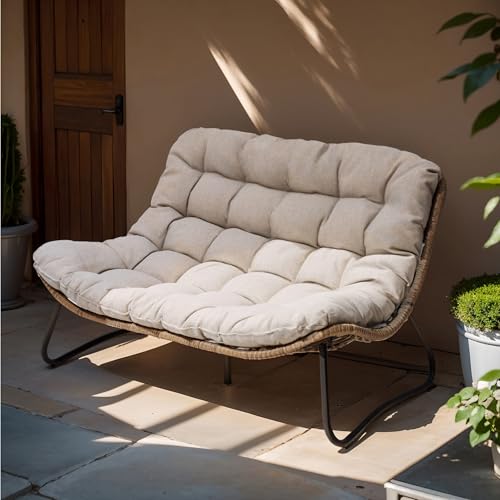
Covered Outdoor Sofa: The Complete Buying Guide
Everything you need to know before choosing a protected patio sofa — frame materials, cushion performance, layout planning, and care routines for sheltered outdoor living.
START THE GUIDEWhy a covered outdoor sofa deserves a closer look: A covered patio is one of the most versatile spaces in a home. It extends the living area, shields seating from direct rain and harsh UV, and creates a natural transition between indoors and out. But not every sofa performs well in a sheltered environment. This guide walks you through the materials, construction details, and layout decisions that matter most, so you can choose a sofa that stays comfortable and structurally sound for years.
What Counts as a Covered Outdoor Sofa?
A covered outdoor sofa is a patio sofa placed in a sheltered zone — under a pergola, gazebo, porch roof, awning, or covered deck. The covering reduces direct sun exposure and keeps the sofa dry during light rain, but it does not make the furniture fully waterproof. Humidity, wind-driven rain, and temperature swings still affect the sofa, so material quality remains critical.
Some covered outdoor sofas are sold with fitted protective covers, while others are designed to pair with separate covers for off-season storage. The best options combine a rust-resistant frame, quick-drying cushion cores, and solution-dyed or acrylic fabrics that resist fading. If your covered area is fully enclosed, you can lean toward decorative fabrics; if it is open on multiple sides, prioritize performance textiles.
Buying Criteria That Matter
Frame Durability
Look for powder-coated aluminum, stainless steel, or sealed hardwood. The frame should resist rust and hold its shape under repeated loading.
Cushion Core
Quick-dry foam and reticulated foam release moisture faster than standard foam. Removable covers simplify cleaning and replacement.
Fabric Rating
Solution-dyed acrylic and olefin fabrics hold color under UV. Check for fade resistance and mildew resistance in the product specification.
Module Options
Modular pieces let you adapt to angled walls, posts, and traffic paths. Corner, armless, and chaise modules are common in covered setups.
Cover Compatibility
Confirm that a fitted cover exists for the exact model. A cover that traps moisture can do more harm than no cover at all.
Assembly & Access
Check door widths and path clearance before delivery. Modular sofas are easier to move through narrow covered spaces.
Frame Materials Compared
The table below classifies common frame constructions by market tier and best use. Use the tier labels as relative positioning, not as numeric guidance. Entry-level frames are suitable for light use under a solid roof, while premium and luxury frames are built for full-season exposure with minimal maintenance.
| Frame Type | Market Tier | Best For | Maintenance Level |
|---|---|---|---|
| Powder-coated aluminum | Mid-range to premium | Covered patios with humidity or coastal air | Low — wipe down seasonally |
| Stainless steel | High-end tier | Long-term covered installations | Low — occasional inspection of welds |
| Wicker over aluminum | Essential to premium tier | Classic and transitional covered spaces | Low to moderate — rinse and dry |
| Sealed solid wood (teak, acacia) | Mid-tier to luxury | Rustic or farmhouse covered patios | Moderate — reseal annually |
| Resin / plastic | Starter tier | Light-use covered balconies | Low — UV exposure check |
Tier descriptors reflect relative market positioning and construction quality, not numerical categories. Compare features within a tier rather than across unrelated categories.
Cushion & Fabric Performance
Cushions are the most frequently replaced component of any outdoor sofa. In a covered setting, the main risks are trapped moisture and mildew rather than direct rain. Choose cushions with removable, machine-washable covers and cores that are labeled quick-drying. Reticulated foam and polyester fiber wraps are common in mid-range and premium sofas; entry-level options may use standard foam that holds water longer.
Fabric matters just as much. Solution-dyed acrylic resists fading because the color is integrated into the fiber. Olefin is durable and dries quickly, while polyester blends are a solid choice for essential-tier sofas in fully covered zones. If you plan to swap cushions over time, confirm that replacement cushion sizes are standard. Many shoppers pair a sofa with deep seating outdoor cushions to refresh the look without replacing the frame.
For accent seating around the sofa, consider outdoor chair cushions that match the sofa fabric family. Consistent fabric ratings across the seating group make maintenance easier and keep the covered area visually cohesive.
Layout & Measuring Tips
- Measure the covered footprint first. Record the width, depth, and height clearance of the sheltered zone. Include posts, columns, and any low beams that could interfere with the sofa back.
- Plan walking paths. Leave at least 18 inches of clearance around the sofa for movement. In smaller covered areas, an L-shaped or modular layout preserves circulation better than a single long sofa.
- Account for overhead fixtures. Ceiling fans, pendant lights, and heaters need clearance above the sofa back. Confirm that the sofa height leaves room for these fixtures to operate safely.
- Choose the right sofa depth. Deeper seats suit lounging but consume more floor space. In narrow covered patios, a shallower sofa with a slim arm profile keeps the layout open.
- Coordinate with tables and rugs. Pair the sofa with a outdoor coffee table that leaves knee clearance. An outdoor rug helps define the seating zone and protects the floor surface.
If your covered area is small, browse ideas for cozy outdoor chairs for small spaces to complement a compact sofa. For larger covered patios, an outdoor patio seating set can unify the sofa with matching chairs and tables.
Care & Maintenance Routine
A covered outdoor sofa needs less maintenance than fully exposed furniture, but it is not maintenance-free. Follow a simple seasonal routine to extend the life of the frame and cushions.
Weekly
Brush off debris and check for damp cushions. Prop cushions upright after rain so air can circulate around the cores.
Monthly
Wipe the frame with a mild soap solution and dry thoroughly. Inspect welds and fasteners for looseness or surface rust.
Seasonally
Wash cushion covers according to the care label. Reseal wood frames if the finish looks dull or water no longer beads.
Off-Season
Use a breathable fitted cover during storage. Avoid sealing a damp sofa under a non-breathable tarp, which can trap moisture.
For broader maintenance guidance, review routines for garden care and keep an eye on nearby shade structures such as a gazebo that can affect airflow around the sofa.
Frequently Asked Questions
What is a covered outdoor sofa?
A covered outdoor sofa is a patio sofa designed to sit under a roof, pergola, gazebo, or awning so it is shielded from direct rain and harsh sun. Some models include integrated covers or ship with fitted protective covers for storage.
Do covered outdoor sofas need weatherproof materials?
Yes. Even when sheltered, a covered outdoor sofa benefits from weather-resistant frames, quick-drying cushions, and UV-stable fabrics. Protection reduces exposure but does not eliminate humidity, wind-driven rain, or temperature swings.
Which frame material is best for a covered patio sofa?
Powder-coated aluminum and high-grade stainless steel are top-tier for covered areas because they resist rust. Wicker over aluminum offers a classic look, while solid wood suits rustic themes if sealed and maintained.
How do I measure for a covered outdoor sofa?
Measure the available footprint under your roof or pergola, including clearance for walking paths. Leave at least 18 inches around the sofa for movement and ensure the sofa height clears any overhead beams, fans, or hanging lights.
Can a covered outdoor sofa stay outside all year?
In mild climates with a solid roof, many mid-range and premium sofas can stay in place year-round with routine care. In regions with freezing temperatures or heavy wind-driven rain, use a breathable cover and store cushions indoors during extended off-season periods.