Outdoor Patio Sofas: The Complete Buying Guide
Everything you need to choose a comfortable, weather-resistant patio sofa that fits your space, your lifestyle, and your long-term outdoor plans.
Start the GuideWhy an outdoor patio sofa matters: A patio sofa is the anchor of any outdoor living room. It sets the seating capacity, defines the conversation zone, and signals the overall design direction of your deck or patio. Unlike a single lounge chair, a sofa invites company, supports long evenings outdoors, and ties together tables, rugs, lighting, and shade into one cohesive retreat. This guide walks you through frame materials, cushion construction, sizing rules, style choices, and long-term care so you can buy with confidence.
What Makes an Outdoor Sofa Different From an Indoor One?
Outdoor patio sofas are engineered for exposure. Their frames resist moisture and UV light, their cushions use quick-drying fills and solution-dyed fabrics, and their joinery is designed to expand and contract with temperature swings. Indoor sofas rely on materials that would warp, mold, or fade within a single season outdoors. Understanding these differences is the first step toward a purchase that will last.
Four elements define outdoor sofa quality: the frame material, the cushion fill and fabric, the finish and hardware, and the modularity of the design. A balanced-tier sofa usually combines a powder-coated aluminum frame, high-density foam cushions, and olefin or acrylic covers. A top-tier sofa often upgrades to solid teak or high-grade steel, high-resilience foam, and solution-dyed acrylic fabric with reinforced stitching. Entry-level models may use basic steel or resin wicker and thinner cushions; they work well in covered spaces but need more protection from direct rain and sun.
Types of Outdoor Patio Sofas
The right sofa type depends on your patio footprint, how many people you host, and whether you want a fixed layout or flexible seating. Below are the main categories you will encounter while shopping.
Standard Patio Sofa
The classic three-seat outdoor couch, typically 72 to 84 inches wide. Best for medium to large patios and balanced-tier outdoor living rooms. Pairs naturally with a coffee table and two lounge chairs.
Patio Loveseat
A two-seat sofa, usually 48 to 60 inches wide. Ideal for balconies, small patios, and intimate conversation corners. A strong choice when space is limited but comfort still matters.
Outdoor Sectional
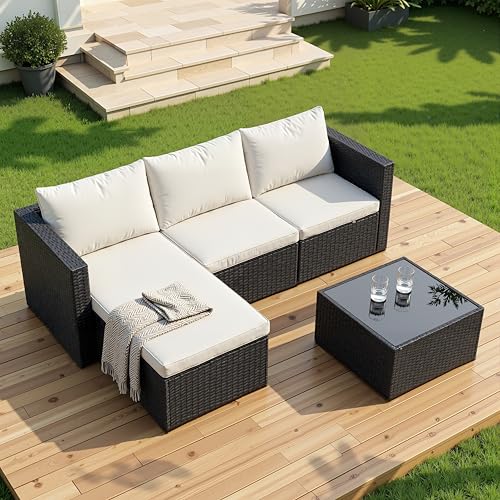
Modular pieces that combine into L-shaped or U-shaped seating. Great for large decks and entertaining zones. Look for clip-in connectors and reversible chaise sections for flexibility.
Deep Seating Sofa
A sofa with thick, low-profile cushions and wide seat depth, typically 24 to 27 inches. Feels closest to indoor comfort. Best suited to covered patios and screened porches.
Wicker and Rattan Sofa
All-weather wicker over an aluminum frame delivers a timeless resort look. High-density polyethylene wicker is the most durable version and resists fading and cracking.
Conversation Sofa Set
A coordinated sofa, chairs, and coffee table package. Simplifies shopping and guarantees a matched look. Check whether individual pieces are available separately for future expansion.
Frame Materials Compared
Frame material determines weight, rust resistance, maintenance needs, and how the sofa feels when you sit down. Here is how the major options compare.
| Frame Material | Durability | Maintenance | Best For |
|---|---|---|---|
| Powder-Coated Aluminum | High — rust-proof and lightweight | Low — wipe clean, touch up chips | Most patios; coastal and humid climates |
| Powder-Coated Steel | Very high — heavy-duty strength | Moderate — protect chipped areas from rust | Windy or high-use settings; permanent layouts |
| All-Weather Wicker | High — UV-stabilized HDPE resists cracking | Low — rinse and air dry | Resort-style and coastal-inspired patios |
| Solid Teak | Very high — naturally oil-rich hardwood | Moderate — periodic cleaning and optional oiling | Luxury patios; long-term investment pieces |
| Resin / Plastic | Moderate — good for light use | Low — soap and water | Starter-tier setups and casual seating |
Aluminum remains the most versatile choice because it balances strength, weight, and corrosion resistance. If you live near the coast or in a humid region, prioritize powder-coated aluminum or HDPE wicker over steel. For a timeless natural look and a long-term investment, solid teak is a professional-grade option that develops a silver patina over time if left untreated.
Cushions and Fabrics: Comfort That Survives the Weather
Cushions make or break the comfort of an outdoor sofa. Two factors matter most: the fill inside and the fabric outside.
- Quick-dry foam: The most common balanced-tier fill. It drains water quickly and returns to shape after sitting.
- High-resilience foam: A premium upgrade that holds firmness longer and resists flattening over seasons of use.
- Down-wrapped foam: The plushest feel, closest to indoor upholstery. Needs regular fluffing and more careful storage.
- Polyester fiber wrap: Often paired with foam to soften the surface and improve airflow.
For fabric, solution-dyed acrylic is the gold standard for fade resistance and water repellency. Olefin is a strong mid-range option with good UV stability. Avoid untreated cotton or basic polyester blends, which absorb water, fade quickly, and can grow mildew. Look for covers with zippers so you can wash or replace them without replacing the whole cushion. A deep seating setup with 26 x 24 outdoor cushions is a popular standard for a reason: it balances comfort, proportion, and replacement availability.
How to Size an Outdoor Sofa for Your Patio
Measure first, shop second. A sofa that overwhelms a small patio feels cramped, while an undersized sofa leaves a large deck feeling unfinished. Use these guidelines:
- Standard sofa: 72–84 inches wide, seats three comfortably.
- Loveseat: 48–60 inches wide, seats two.
- Seat depth: 20–22 inches for upright conversation seating; 24–27 inches for deep lounging.
- Walkway clearance: Keep at least 24 inches of open space around the sofa for easy movement.
- Coffee table gap: Leave 16–18 inches between the sofa front and the coffee table edge.
For small balconies or compact patios, a loveseat paired with two cozy outdoor chairs for small spaces creates a complete conversation zone without crowding. On larger decks, an L-shaped outdoor sectional with a fire pit table or a conversation sofa set with swivel chairs delivers both scale and flexibility. If your patio doubles as a dining area, consider a layout that keeps the sofa zone distinct from the dining zone, and use an outdoor rug to visually separate the two.
Choosing a Style That Fits Your Outdoor Space
Outdoor sofa style should connect with the architecture of your home and the mood you want on the patio. A few proven directions:
- Modern minimalist: Low-profile aluminum frames, neutral cushions, clean lines. Pair with a modern outdoor coffee table and a large outdoor rug.
- Coastal resort: White or natural wicker, blue and sand tones, breezy cushions. Complements homes near water or with light exteriors.
- Rustic farmhouse: Wood-look frames, earthy palette, textured fabrics. Works beautifully with a fire pit and a covered outdoor sofa under a pergola.
- Bohemian: Layered textiles, warm tones, mixed materials. Pairs well with a hammock chair and string lights.
Whatever direction you choose, treat the sofa as the anchor and build outward: coffee table, side tables, lighting, rug, and shade. A consistent palette of two or three colors keeps the space calm and intentional.
Comparing Outdoor Sofa Tiers
Outdoor sofas differ widely in build quality. Use this tier framework to match a sofa to your climate, usage, and long-term expectations.
| Tier | Typical Construction | Best For | Longevity Outlook |
|---|---|---|---|
| Entry-Level | Basic steel or resin frame, thinner cushions, standard fabric | Covered patios, seasonal use, starter setups | Good for a few seasons with covers and care |
| Mid-Range | Powder-coated aluminum or HDPE wicker, quick-dry foam, olefin covers | Most patios; year-round use with seasonal protection | Solid choice for the category; lasts many seasons |
| Premium | High-grade aluminum or teak, high-resilience foam, solution-dyed acrylic | High-use patios, coastal climates, design-led spaces | Long-term investment with low maintenance |
| Luxury / Commercial-Grade | Solid teak or reinforced steel, flagship-tier cushions, reinforced joinery | Full outdoor living rooms, hospitality settings | Professional-grade durability and service life |
Care and Maintenance for Long-Term Performance
An outdoor sofa is a long-term investment, and a simple care routine keeps it looking and feeling new. Follow these habits:
- Clean the frame regularly: Rinse aluminum and wicker with mild soap and water. For teak, use a soft brush and a teak cleaner once a season.
- Brush off cushions: Remove loose debris weekly and spot-clean stains with a mild detergent solution. Let cushions dry fully before replacing them.
- Store cushions during heavy rain: Even water-resistant fabrics last longer when cushions are brought inside or placed in a storage bench.
- Use breathable covers: Choose covers that tie down and allow airflow. Sealed plastic traps moisture and encourages mold.
- Winter prep: Clean and dry the sofa, store cushions indoors, and cover the frame. In cold climates, store the sofa in a garage or shed if possible.
- Touch up finishes: Repair small chips in powder coating promptly to prevent corrosion on steel frames.
Buying Checklist: Before You Choose an Outdoor Patio Sofa
- Measure your patio and confirm walkway clearances
- Choose a frame material suited to your climate
- Verify cushion fill and fabric are outdoor-rated
- Confirm seat depth matches your lounging preference
- Check whether cushion covers are removable and washable
- Review warranty terms for frame and cushions separately
- Plan for storage of cushions in wet or cold seasons
- Match style to your home exterior and existing decor
Frequently Asked Questions
What is the best frame material for an outdoor patio sofa?
Aluminum is the most popular choice because it is lightweight, rust-proof, and easy to move. Powder-coated steel offers heavy-duty strength but requires more care if the finish chips. Wicker and rattan over an aluminum frame provide a classic look with good weather resistance. Solid teak is a luxury option that ages gracefully outdoors.
How do I measure my patio for an outdoor sofa?
Measure the full length and depth of your patio area, then subtract at least 24 inches of walking space around each side of the sofa. Allow 18 inches between the sofa and a coffee table. A standard outdoor sofa is around 72 to 84 inches wide, while loveseats are roughly 48 to 60 inches wide.
What cushion fill is best for outdoor patio sofas?
Quick-dry foam wrapped in polyester fiber is the most common balanced-tier fill. High-resilience foam holds its shape longer for a premium feel. Down-wrapped foam offers the plushest comfort but needs more maintenance. Always choose solution-dyed acrylic or olefin fabric covers with UV and water resistance.
How do I protect an outdoor sofa in winter?
Clean and fully dry the sofa, remove and store cushions indoors, then cover the frame with a breathable, water-resistant cover that ties down securely. If possible, store the sofa in a garage or shed. Avoid sealed plastic covers that trap moisture and encourage mold.
Can an outdoor patio sofa stay outside all year?
Yes, if it is built with weather-resistant materials such as powder-coated aluminum, high-density polyethylene wicker, or teak, and if cushions are brought inside during heavy rain and cold months. Entry-level sofas with untreated wood or basic steel need more protection or seasonal storage.
Ready to Build Your Outdoor Living Room?
Pair your sofa with the right supporting pieces: a matching coffee table, comfortable lounge chairs, and shade for sunny afternoons. Explore our related guides to complete the layout.
Explore Outdoor Furniture Sets