Outdoor Fire Table: Complete Buying Guide & Design Tips
Everything you need to know before choosing a fire table for your patio — fuel types, materials, safety, style, and how to pick the right tier for your outdoor space.
Start the Buying GuideWhy an outdoor fire table earns its place on your patio: It extends the hours you can enjoy your backyard, adds warmth and ambiance, and doubles as a functional surface for drinks, snacks, and conversation. Unlike a traditional fire pit, a fire table blends a usable tabletop with a controlled flame — making it one of the most versatile backyard investments you can make. This guide walks you through every decision point so you can choose with confidence.
What Exactly Is an Outdoor Fire Table?
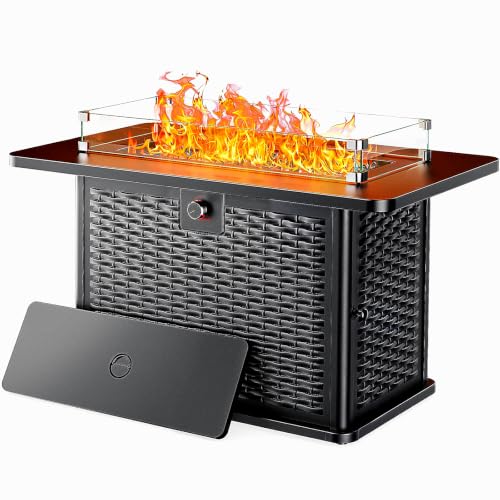
An outdoor fire table is a hybrid piece of patio furniture: a flat tabletop with a central burner that produces a controlled flame. The flame is typically fueled by propane or natural gas, though some models offer bioethanol or gel fuel options. The tabletop surface around the burner can be used for placing drinks, plates, or decorative items, which makes it far more functional than a traditional open fire pit.
Fire tables are especially popular in modern outdoor coffee table configurations, where the fire feature becomes the centerpiece of a conversation area. They also pair beautifully with outdoor furniture conversation sets and outdoor patio seating sets to create a cohesive lounging zone.
Why Homeowners Choose Fire Tables
- Extended outdoor season: Enjoy your patio well into cooler evenings and shoulder seasons.
- Dual functionality: A table surface for entertaining plus a heat source in one footprint.
- Controlled flame: Easier to manage than wood-burning fire pits, with no ash or smoke.
- Design flexibility: Available in modern, rustic, and minimalist styles to match your patio aesthetic.
- Safety features: Many models include heat shields, flame adjustment, and automatic shut-off.
Fuel Types: Propane vs. Natural Gas vs. Alternatives
Choosing a fuel type is the most important decision you will make. It affects installation, portability, and long-term convenience.
| Fuel Type | Best For | Key Considerations |
|---|---|---|
| Propane | Portable setups, decks, renters | No gas line needed; requires refillable tanks; easy to relocate. A propane fire table is the most common choice for residential patios. |
| Natural Gas | Permanent installations, built-in patios | Requires a professional gas line connection; unlimited fuel supply; best for fixed outdoor kitchens or built-in seating areas. |
| Bioethanol / Gel | Renters, small balconies, smoke-free zones | No gas line or tank; produces a clean flame; lower heat output; fuel can be harder to source. |
| Wood-Burning | Rustic settings, traditional ambiance | Authentic crackle and aroma; requires ash cleanup; not ideal for decks or covered patios; check local fire regulations. |
Fire Table Tiers: Entry-Level, Mid-Range, and Premium
To help you navigate the market without focusing on numbers, we classify fire tables into three broad tiers based on construction quality, burner engineering, and finish details. This classification stays consistent across our guides.
Entry-Level Tier
These models focus on essential function. Expect a straightforward burner, powder-coated steel or lighter aluminum frames, and basic ignition. They are a solid choice for occasional use and first-time fire table owners. Good value for the tier and easy to move.
Mid-Range Tier
A step up in burner quality, frame thickness, and finish durability. Many mid-range models include electronic ignition, adjustable flame control, and weather-resistant covers. Well-specified for the category and a balanced choice for year-round patios.
Premium Tier
These fire tables feature high-grade materials such as stainless steel burners, cast aluminum or stone-composite tops, and refined design details. They offer smoother ignition, more consistent flame output, and a long-term investment feel for dedicated outdoor living spaces.
Materials That Matter: What to Look For
The material of your fire table determines how well it survives weather, how it looks over time, and how safe it is on your patio surface.
- Stainless steel burners: Rust-proof finish and consistent flame; a hallmark of mid-range and premium tiers.
- Cast aluminum frames: Lightweight yet durable; resistant to rust and corrosion.
- Stone or concrete composite tops: Heat-resistant and elegant; heavier and best for permanent setups.
- Powder-coated steel: Common in entry-level tier; requires care to prevent chipping over time.
- Tempered glass surrounds: Wind protection and a polished look; common on modern fire tables.
Look for a fire table with a heat shield or insulated base if you plan to place it on a wooden deck or composite surface. This simple feature protects the surface beneath and adds peace of mind.
Design and Placement: Making It Work on Your Patio
A fire table should feel like a natural centerpiece, not an afterthought. Consider these placement principles:
- Anchor a conversation zone: Pair a fire table with outdoor patio sofas or outdoor conversation sets with swivel chairs to create a focal point.
- Respect clearance: Keep at least 3–5 feet of open space around the fire table, and follow the manufacturer's clearance guidelines for overhead structures.
- Coordinate with your rug: Place a large outdoor rug beneath the seating group — but always follow the fire table's instructions regarding use over rugs.
- Consider the view: Position the fire table so the flame is visible from your main seating angle, not blocked by a tabletop.
- Match your patio style: A minimalist deck pairs well with a sleek linear fire table, while a rustic setting may suit a stone-look model.
Safety Essentials Before You Buy
Fire tables are safe when used correctly. Before purchasing, confirm the following:
- Certification from a recognized safety body (CSA, ANSI, or equivalent).
- Automatic shut-off or flame-failure safety valve.
- Clearance requirements for overhead structures such as gazebos or pergolas.
- Proper ventilation for covered patios.
- A fitted fire pit cover for protection when not in use.
- Local regulations regarding open flames and fuel storage.
Fire Table vs. Fire Pit: Which Fits Your Space?
If you are still deciding between the two, here is a quick comparison to guide your choice.
| Feature | Outdoor Fire Table | Traditional Fire Pit |
|---|---|---|
| Primary Use | Warmth + entertaining surface | Warmth + ambiance |
| Tabletop Surface | Yes — usable for drinks and decor | No — open bowl or ring |
| Best Placement | Patios, decks, conversation areas | Open yards, gravel areas, rustic settings |
| Fuel Options | Propane, natural gas, bioethanol | Wood, propane, natural gas |
| Smoke and Ash | None (gas models) | Yes (wood-burning models) |
For a deeper dive into the traditional option, explore our outdoor fire pit guide. For a combined seating-and-fire solution, see our outdoor furniture section with fire pit overview. If you love the idea of a dining-height fire feature, a high-top patio dining table with fire pit is worth considering.
Quick Buying Checklist
- Confirm fuel type and whether you need a gas line.
- Measure your patio space and plan clearance around the table.
- Choose a tier that matches how often you will use it.
- Check the burner material and ignition type.
- Verify safety certifications and shut-off features.
- Plan for a cover and proper storage during off-season.
- Consider the tabletop material and how it ages outdoors.
Explore Related Outdoor Heating & Patio Guides
Frequently Asked Questions
What is the difference between an outdoor fire table and a fire pit?
An outdoor fire table combines a flat, usable table surface with a built-in fire feature, making it ideal for both warmth and entertaining. A fire pit is typically a lower, open bowl designed primarily for ambiance and heat, without a functional tabletop.
Are outdoor fire tables safe to use on a wooden deck?
Yes, many outdoor fire tables are designed with safety in mind for use on decks and patios. Choose a model with a heat shield, a CSA or ANSI certification, and follow the manufacturer's clearance requirements. Propane and natural gas models are generally safer for decks than wood-burning options.
How long does a propane tank last in an outdoor fire table?
A standard 20-pound propane tank typically provides 8 to 12 hours of burn time on a medium setting. Burn time depends on the BTU output of the fire table and the flame height you select.
Can an outdoor fire table be left outside in winter?
Most outdoor fire tables are built with weather-resistant materials, but to extend their lifespan, use a fitted cover during harsh weather and store the burner components indoors when not in use for extended periods.
Final Thoughts
An outdoor fire table is more than a heat source — it is a gathering point that transforms your patio into a year-round destination. By understanding fuel types, materials, safety features, and tier classifications, you can choose a model that fits your space, your lifestyle, and your design vision. Whether you lean toward an entry-level tier for occasional evenings or a premium tier for a permanent outdoor living room, the right fire table will quickly become the heart of your backyard.