Outdoor Furniture Section with Fire Pit: The Complete Buying Guide
Design a warm, functional conversation zone that anchors your backyard. Learn how to pair fire pit seating with the right layout, materials, and accessories so every evening outdoors feels effortless.
Start the GuideWhy this guide matters: A fire pit section is more than a furniture arrangement — it is the social heart of an outdoor space. Buyers researching this topic already know they want a fire pit; what they need is confidence about layout, durability, and how each piece works together. This guide walks through the decisions in the order you will actually face them, so you can shortlist the right setup and buy with clarity.
What Defines an Outdoor Furniture Section with a Fire Pit?
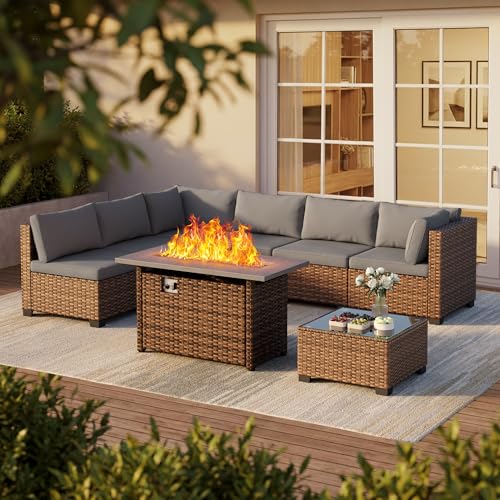
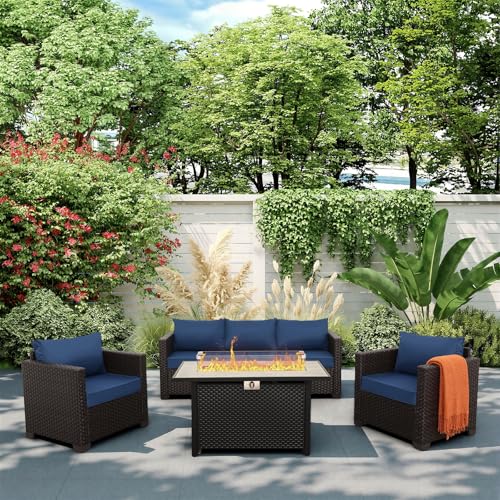
An outdoor furniture section with a fire pit is a coordinated seating zone built around a central heat source. Unlike a standalone patio chair or a dining set, a fire pit section is designed for conversation, lingering, and shoulder-season comfort. The core elements are consistent across styles:
- A central fire pit, fire table, or high-top fire pit dining piece
- Curved or modular seating that faces the center — usually a sofa, loveseat, or sectional paired with lounge chairs
- A low table for drinks and small plates, placed between the seating and the pit
- Weather-resistant accessories such as an outdoor rug, cushions, and lighting
The right section balances warmth, circulation, and sightlines. In practice, that means keeping the seating close enough to feel the heat but far enough to move safely, and choosing furniture that can handle smoke, sparks, and sun without degrading. Buyers who plan the section as a single composition — rather than buying pieces one at a time — usually end up with a more cohesive and more durable result.
Layout Options That Work Around a Fire Pit
Layout is the single biggest factor in how a fire pit section feels. The goal is a closed but breathable circle where every seat has a clear view of the flames and easy access to a side surface. These four arrangements cover most patios and decks:
Symmetrical U-Shape
A sofa or sectional forms the back, with two lounge chairs flanking the fire pit. Best for medium to large patios and the easiest layout for conversation and warmth distribution.
L-Shaped Corner Section
An L-shaped sectional with a single accent chair opposite the corner. Ideal for square patios and corners where you want to preserve walkway space.
Two-Seat Conversation Pair
A loveseat plus two lounge chairs around a compact fire table. Suits small patios, balconies, and courtyards where every inch counts.
High-Top Fire Pit Set
A counter-height table with integrated fire pit and four swivel stools. Works for casual meals and evening drinks without a separate dining zone.
If your space is tight, review options for outdoor furniture for small spaces before committing to a layout. For larger patios, a dedicated conversation set like those in our patio conversation sets guide can form the backbone of the section, with a fire pit table added at the center.
Choosing the Fire Pit at the Center of the Section
The fire pit determines safety clearances, seating height, and the overall character of the space. There are three broad formats to consider:
| Fire Pit Format | Best For | Seating Pairing | Tier Guidance |
|---|---|---|---|
| Low-profile fire bowl or fire table | Conversation-focused sections, lounge seating | Deep sofas, lounge chairs, ottomans | Entry-level to mid-range units are common; premium models add thicker steel and built-in ignition |
| High-top fire pit dining table | Dual-purpose dining and evening drinks | Swivel bar stools or counter-height chairs | Mid-tier to high-end tier; commercial-grade builds suit heavy use |
| Built-in or paver fire pit | Permanent backyard focal points | Modular sectionals, curved benches | Professional-grade installation recommended |
Fuel type matters as much as form. Wood-burning pits deliver authentic ambiance but require ash management and greater clearance. Propane and natural gas models offer instant ignition, cleaner operation, and easier placement near upholstery. If you want the fire integrated into the table itself, the outdoor furniture with fire pit collection and the high-top patio dining table with fire pit are strong starting points.
Seating That Complements the Fire Pit
Fire pit seating should feel deep and relaxed, not upright and formal. The most common pairing is a sectional or sofa as the anchor, with lounge chairs or swivel chairs completing the circle. A few practical rules help:
- Match seat height to the pit. Low fire tables pair best with deep lounge seating; high-top fire tables need counter-height stools.
- Keep upholstery back from the flames. Aim for at least 7 feet between the fire pit edge and the front of any seat cushion.
- Choose frames rated for the outdoors. Powder-coated aluminum and high-grade steel resist heat and moisture better than untreated wood.
- Add one flexible piece. A swivel chair or lightweight accent chair lets guests angle toward the fire or toward conversation.
For a modular base, an outdoor sectional sofa offers the most flexibility and can be reconfigured as the section evolves. Homeowners who prefer a more traditional footprint often pair a porch furniture set with a compact fire bowl, while durable outdoor chairs work well as the accent seats on either side of the pit. If you want the fire pit integrated into the table, the patio table and chairs set with fire pit combines dining and warmth in a single piece.
Materials and Weather Resistance
Fire pit sections live outdoors year-round, so material choice is a long-term decision. The table below summarizes how the main frame and fabric categories behave near heat, sun, and moisture — without reference to any pricing.
| Material | Heat & Sun Behavior | Maintenance | Best For |
|---|---|---|---|
| Powder-coated aluminum | Excellent; rust-proof finish resists embers and UV | Wipe down; touch up chips annually | All climates, coastal patios |
| High-grade steel | Very good; heavier and stable near wind | Check for rust at welds | Windy decks, larger sections |
| Synthetic wicker over aluminum | Good; solution-dyed resin resists fading | Rinse and dry; avoid abrasive cleaners | Traditional and coastal styles |
| Solid wood (teak, cedar) | Moderate; needs sealant and clearance from flames | Oil or seal annually | Rustic and natural-look patios |
Fabric choice matters just as much as the frame. Solution-dyed acrylics resist fading and mildew, while olefin blends offer a good value for their tier. Cushions should have quick-dry foam cores so an unexpected rain shower does not turn the section into a sponge. If you are replacing covers rather than furniture, browse outdoor patio chair cushions set of 6 or outdoor chair cushions set of 2 to refresh the section without replacing the frames.
Accessories That Finish the Section
The details turn a collection of furniture into a room without walls. Focus on four categories:
- Grounding: an outdoor rug or large outdoor rug defines the conversation zone and softens hard paving.
- Surfaces: a outdoor coffee table or round outdoor coffee table keeps drinks within reach without blocking sightlines.
- Lighting and shade: string lights set the evening mood, while an 11 ft offset umbrella with LED lights provides daytime shade without a center pole.
- Protection: a waterproof outdoor furniture cover and weatherproofing outdoor furniture covers extend the life of the section through off-season months.
If the section shares space with a dining area, an outdoor bar cart or patio serving station and storage cabinet can bridge the two zones. For families, a pet-friendly layout with durable fabrics is worth planning from the start — see the pet-friendly outdoor guide for material considerations.
Step-by-Step Planning Checklist
Use this sequence to move from idea to purchase without second-guessing each decision:
- Measure the zone. Mark the fire pit center and a 7-foot radius for seating clearance. Confirm walkways remain at least 3 feet wide.
- Choose the fuel type. Decide between wood, propane, and natural gas based on deck material, ventilation, and maintenance preference.
- Select the pit format. Low fire table for lounge seating, high-top for dining hybrid, or built-in for a permanent focal point.
- Anchor with seating. Pick a sectional or sofa first, then add lounge or swivel chairs to complete the circle.
- Add a surface layer. Choose a coffee table, side tables, and an outdoor rug sized to the conversation zone.
- Verify weather protection. Confirm covers, cushion storage, and frame finishes suit your climate.
- Plan lighting and safety. Add ambient lighting and keep a fire extinguisher or sand bucket within reach.
Safety and Placement Essentials
Fire pit furniture sections are safe when clearances and materials are respected. Keep these rules in mind:
- Maintain at least 7 feet between the fire pit edge and combustible furniture; 10 feet is safer for wood-burning pits.
- Never place a fire pit directly on a wooden deck without a heat-rated barrier.
- Keep fabric awnings, umbrellas, and string lights well above flame height and away from sparks.
- Use a spark screen with wood-burning pits and never leave a fire unattended.
- Check local regulations for open-flame restrictions and required setbacks.
If the section is on a windy deck or rooftop, consider outdoor furniture that can be bolted down to keep seating stable and safely positioned relative to the pit.
Frequently Asked Questions
How much space do I need for an outdoor furniture section with a fire pit?
Allow at least 7 feet of clear space between the fire pit edge and the seating, and keep the entire conversation zone within roughly 12 by 12 feet. This preserves sightlines and comfortable circulation.
What material is best for furniture near a fire pit?
Powder-coated aluminum, high-grade steel, and synthetic wicker over aluminum frames are all strong choices. Look for rust-proof finishes and solution-dyed fabrics that resist fading and ember exposure.
Can I place a fire pit on a wooden deck?
Only with a fire-resistant barrier such as a stone paver pad or a heat shield rated for deck use. Gas and propane fire pits with built-in heat shields are generally safer on composite or wood decks than wood-burning models.
Should the fire pit be the centerpiece of the section?
In most layouts, yes. Centering the fire pit creates a natural focal point and equalizes warmth distribution. Angled or L-shaped sections can offset the pit slightly while still keeping every seat within conversational range.