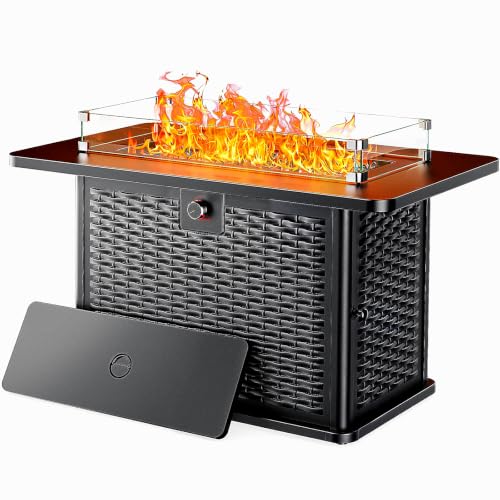
Propane Fire Table Buying Guide: Complete Outdoor Heating Guide
Learn how to choose a propane fire table with confidence. Compare fuel efficiency, materials, safety features, and design options so you can pick the right centerpiece for your patio or deck.
Why this guide matters: A propane fire table is one of the most versatile outdoor investments you can make. It extends patio season into cooler months, creates a natural gathering point, and doubles as a functional table. But the category varies widely — from entry-level portable units to premium commercial-grade fixtures. This guide explains the specifications that actually matter, the trade-offs between tiers, and the safety considerations every buyer should understand before ordering.
What Is a Propane Fire Table?
A propane fire table is a patio furniture piece that combines a flat tabletop with a built-in gas burner, typically surrounded by decorative fire glass, lava rock, or ceramic logs. Unlike a traditional wood-burning fire pit, it runs on liquid propane and produces a clean, controllable flame without smoke, ash, or sparks.
The dual-purpose design is what makes these tables so appealing. The surrounding surface holds drinks, snacks, or decorative trays while the central flame provides warmth and ambiance. For homeowners who want the atmosphere of a fire feature without the maintenance of wood, a propane fire table is a practical long-term investment. If you are still comparing formats, our guide to outdoor fire pits explains how traditional pits differ from table-style designs.
These tables are equally at home on a covered porch, an open deck, or a stone patio. Many models are designed to coordinate with existing seating arrangements, including outdoor conversation sets and outdoor patio sofas, which makes them easy to integrate into a cohesive layout.
How Propane Fire Tables Work
Understanding the internal components helps you evaluate quality when comparing models. A typical propane fire table consists of five core parts:
- Burner ring or linear burner: The element that distributes the flame. Stainless steel burners resist corrosion and deliver more even flames than painted steel alternatives.
- Ignition system: Push-button or electronic ignition lights the flame. Electronic systems are more convenient, while manual push-button systems are simpler and less prone to electrical faults.
- Gas regulator and hose: Connects the table to a standard propane tank, usually stored in a concealed compartment beneath the tabletop.
- Heat-resistant tabletop: Surrounds the burner and must withstand sustained heat without warping or cracking.
- Flame media: Fire glass, lava rock, or ceramic logs that diffuse the gas and create a visually appealing flame pattern.
Most residential models connect to a standard 20-pound propane tank, though some high-end tier and commercial-grade units can be plumbed to a fixed propane line. The regulator controls gas flow, and a control knob lets you adjust flame height — a higher flame produces more heat but consumes fuel faster.
Types and Configurations of Propane Fire Tables
The market offers several distinct formats, each suited to different spaces and use cases.
Rectangular and Square Fire Tables
These are the most common designs. Rectangular models work well alongside outdoor sofas and sectionals, while square tables fit naturally into smaller conversation zones. They typically accommodate four to six people comfortably.
Round Fire Tables
Round designs encourage circular seating arrangements and suit balconies, small decks, and intimate lounge areas. They pair well with cozy outdoor chairs for small spaces.
Bar-Height and Counter-Height Fire Tables
Elevated fire tables combine a bar or counter surface with a central flame, making them ideal for entertaining. They work best with bar stools and can anchor an outdoor kitchen or bar zone.
Dining Fire Tables
These larger pieces integrate a fire feature into a dining surface, allowing guests to eat and stay warm at the same table. They are a strong choice for households that entertain frequently in cooler weather.
Portable and Tabletop Units
Compact tabletop fire tables run on small propane canisters and are suited to balconies or temporary setups. They offer less heat output but provide ambiance with minimal footprint.
Materials and Build Quality
Material choice directly affects durability, appearance, and long-term performance. Each option carries trade-offs.
Powder-Coated Steel
A common choice in the mid-range tier. Powder coating provides a weather-resistant finish, though chips and scratches can expose the steel beneath. Regular touch-ups extend service life.
Stainless Steel
Found in premium and high-end tier models. Stainless steel resists rust and corrosion, handles heat well, and maintains a clean appearance. Marine-grade stainless steel is the most durable option for coastal environments.
Aluminum
Lightweight and naturally rust-resistant, aluminum is often used in entry-level and mid-tier portable tables. It does not rust, but it can dent more easily than steel.
Cast Concrete and Stone Composite
These materials deliver a substantial, architectural look and excellent heat retention. They are heavy and typically belong to the premium tier. Concrete can crack under freeze-thaw cycles if not properly sealed.
Wicker and Rattan Surrounds
All-weather wicker over an aluminum frame creates a softer, more relaxed aesthetic. The wicker itself is not load-bearing, so the frame quality matters most. Pair these with high-quality wicker patio furniture for a cohesive look.
| Material | Durability | Best For | Maintenance Level |
|---|---|---|---|
| Powder-Coated Steel | Moderate | Covered patios, seasonal use | Occasional touch-ups |
| Stainless Steel | High | Coastal areas, year-round exposure | Low — wipe clean |
| Aluminum | Moderate | Portable and lightweight setups | Low |
| Cast Concrete | High | Permanent installations, modern design | Periodic sealing |
| All-Weather Wicker | Moderate | Relaxed, transitional patios | Low — rinse occasionally |
Fuel Efficiency and Burn Time
Propane consumption is one of the most practical considerations for buyers. Burn time depends on three factors: the burner's output rating, the flame setting you use, and the size of the propane tank.
Most full-size residential fire tables connect to a standard 20-pound tank. At a moderate flame setting, entry-level and mid-range models typically deliver roughly six to ten hours of burn time. Premium models with more efficient burner designs may extend that range, while large linear burners and dining fire tables consume fuel more quickly.
Several design details influence efficiency:
- Burner design: Efficient stainless steel burners with precise orifices waste less gas.
- Flame adjustment: A variable control knob lets you lower the flame when full heat is unnecessary.
- Wind guards: Glass or metal wind guards keep the flame stable, reducing the need to run a high flame on breezy days.
- Tank concealment: Built-in tank compartments protect the tank and simplify swapping.
If you plan to use the table frequently, consider a model that supports a larger tank or a fixed propane connection. For occasional evening use, a standard 20-pound tank is more than adequate.
Safety Features and Clearances
Safety should be the first filter in any buying decision. Propane fire tables are safe when used correctly, but the quality of safety features varies by model and tier.
Key Safety Features to Prioritize
- Automatic shut-off and thermocouple: Cuts gas flow if the flame extinguishes.
- Child-safe ignition: Requires a deliberate sequence to prevent accidental lighting.
- Tempered glass guards: Shield flames from wind and create a barrier around the burner.
- Stable base: A wide, weighted base prevents tipping, especially on decks.
- Certification marks: Look for recognized safety certifications on the product label.
Placement and Clearance Guidelines
Always follow the manufacturer's clearance specifications. As a general rule, keep the table away from combustible materials, overhead structures, and fabric. On wooden decks, use a heat-resistant mat or barrier beneath the table. Never operate a fire table in an enclosed space, and always store propane tanks upright in a well-ventilated area.
Placement and Design Considerations
Where the table goes determines which size and style will work best. A few practical guidelines:
- Conversation zones: Pair a rectangular or square fire table with a sectional or sofa arrangement. Our guide to outdoor patio sectionals with fire pit and dining table explores combined layouts.
- Dining areas: Use a dining fire table where guests will linger after meals, or complement a standard dining setup with a separate fire feature nearby.
- Small spaces: A round table or compact square model preserves walkway clearance on balconies and small decks.
- Defining a zone: A fire table naturally anchors a seating area. Ground the zone with an outdoor rug to visually contain the arrangement.
- Shade and shelter: If the patio has a pergola or umbrella, ensure the fire table sits outside the drop zone of any fabric or combustible cover.
Style should follow the architecture of your home and the surrounding furniture. Modern powder-coated steel tables suit contemporary patios, while cast concrete designs complement minimalist or industrial spaces. For a softer look, wicker-surround models bridge the gap between traditional and transitional decor. If you are refining the overall layout, our minimalist deck guide offers a useful framework for decluttered outdoor design.
Comparing Market Tiers
Fire tables fall into recognizable tiers. Rather than focusing on numbers, use this framework to understand what each tier typically delivers.
| Tier | Typical Characteristics | Best For | Trade-Offs |
|---|---|---|---|
| Entry-Level / Starter Tier | Powder-coated steel or aluminum, manual ignition, basic flame media | Occasional use, balconies, first-time buyers | Shorter service life, simpler controls |
| Mid-Range / Balanced Tier | Stainless or reinforced steel, electronic ignition, wind guards, concealed tank | Regular seasonal use, family patios | Moderate weight, occasional finish maintenance |
| Premium / High-End Tier | Marine-grade stainless steel or cast concrete, refined burner design, premium media | Year-round use, design-focused patios | Heavier, requires more careful placement |
| Luxury / Commercial-Grade | Architectural construction, fixed propane connection, extended safety systems | Hospitality spaces, large entertaining areas | Professional installation recommended |
Mid-range models usually offer the best balance for most households: they include durable burners, reliable ignition, and finishes that hold up across seasons. Entry-level units are well-specified for the category and work well for light use, while premium and luxury tiers justify themselves through longevity, material quality, and refined aesthetics.
Maintenance and Care
Routine care keeps a fire table looking sharp and operating safely. A simple maintenance schedule covers most needs:
- After each use: Let the unit cool completely, then wipe the tabletop with a soft cloth.
- Monthly during season: Inspect the burner for debris, check the hose for cracks, and clean flame media if soot accumulates.
- Before storage: Disconnect the propane tank, cover the table, and store the tank upright in a ventilated area.
- Seasonal: Apply a protective cover during extended downtime and touch up powder-coated surfaces as needed.
Use a fitted fire pit cover to protect the burner and tabletop from leaves and moisture. For stainless steel surfaces, a dedicated stainless cleaner maintains the finish and resists water spots. Avoid abrasive pads that can scratch the surface.
If you notice uneven flames, a persistent yellow flame, or a gas odor, shut off the supply immediately and inspect the burner and regulator. Replace damaged hoses before the next use.
Final Buying Checklist
Before you order, run through this checklist to confirm the model fits your space and habits:
- Measure your space: Confirm the table's footprint leaves comfortable walkway clearance.
- Confirm the fuel setup: Decide between a standard tank connection and a fixed propane line.
- Check the burner material: Stainless steel offers the best durability for frequent use.
- Verify safety features: Prioritize automatic shut-off, a stable base, and wind guards.
- Match the style: Choose a finish and material that coordinate with your existing furniture.
- Plan for storage: Confirm you have a cover and a safe place to store the propane tank.
- Review the warranty: A longer warranty typically signals confidence in build quality.
For a broader look at patio heating options, explore our outdoor fire table overview and compare formats before committing to a specific design.
Ready to Choose Your Propane Fire Table?
Browse curated options in the recommended products section below. Compare features, materials, and configurations to find the model that fits your patio.
Explore Recommended ModelsFrequently Asked Questions
How long does a propane fire table burn on a standard tank?
Most mid-range propane fire tables burn for six to ten hours on a standard 20-pound tank at a moderate flame setting. Premium and high-end tier models with efficient burners may extend this range, while large-format tables with wide flame rings consume fuel faster.
Can a propane fire table be used on a wooden deck?
Yes, provided the table is designed for deck use and sits on a stable, heat-resistant surface. Choose models with a heat shield, keep clearance from combustible railings, and always follow the manufacturer's clearance specifications. Never place a fire table directly on untreated wood without a protective barrier.
Do propane fire tables produce smoke or ash?
No. Propane burns cleanly, so these tables produce no smoke, ash, or embers. This makes them a low-maintenance alternative to wood-burning fire pits and suitable for covered patios where smoke would be undesirable.
What is the difference between a fire table and a fire pit?
A fire table is a dual-purpose piece with a flat tabletop surrounding the burner, usable for drinks and decor, while a fire pit is primarily a heating bowl. Fire tables suit lounge and conversation areas, whereas fire pits work well in open yards and rustic settings.
Are propane fire tables safe around children and pets?
They are safe when used responsibly. Look for models with tempered glass guards, child-safe ignition, and automatic shut-off features. Maintain a safety perimeter, supervise children, and never leave a lit table unattended.