Outdoor Fountains: Complete Buying Guide & Design Tips
Transform your patio or garden into a serene retreat. Learn how to choose the right outdoor fountain for your space, climate, and style—from calming wall-mounted designs to statement garden centerpieces.
START EXPLORINGWhy add an outdoor fountain? A fountain brings movement, sound, and visual interest to any outdoor space. The gentle sound of flowing water masks traffic noise, creates a calming atmosphere, and attracts birds and beneficial insects. Beyond aesthetics, fountains add humidity to dry climates and can serve as a stunning focal point that ties your entire landscape design together. Whether you have a sprawling backyard or a compact balcony, there is a fountain style suited to your space.
What to Consider Before Choosing an Outdoor Fountain
Outdoor fountains vary widely in size, material, power source, and design. Understanding these variables before you shop will help you select a model that performs well and complements your outdoor environment for years to come. Below are the key factors that matter most during the research phase.
1. Fountain Types and Styles
The style of fountain you choose should match both your available space and your overall landscape aesthetic. Here are the most common categories:
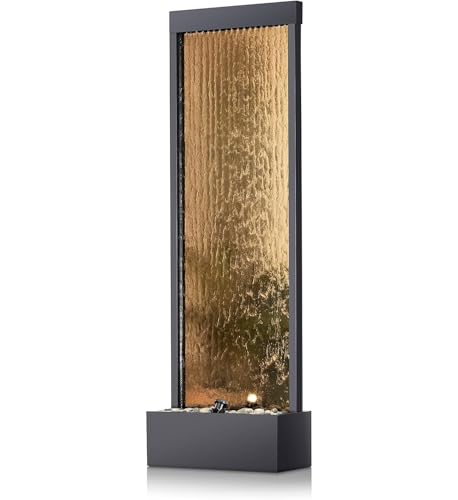
- Wall-mounted fountains: Attach to a wall or fence and save floor space—ideal for small patios, balconies, and courtyards. They create a vertical water feature that draws the eye upward.
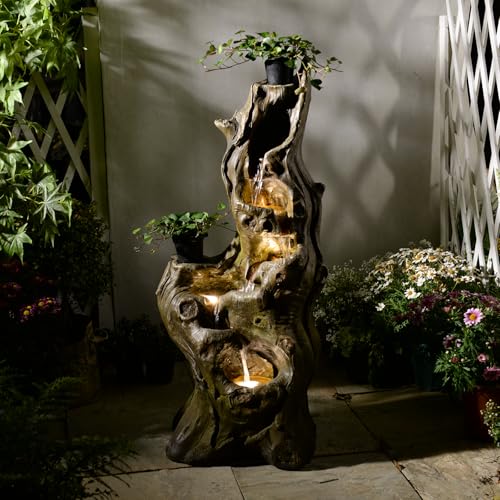
- Tiered fountains: Classic designs with two or three tiers that cascade water from top to bottom. These work well as garden centerpieces and are available from entry-level to premium tiers.
- Tabletop fountains: Compact models that sit on a patio table or outdoor counter. Perfect for intimate spaces and easy to move.
- Freestanding floor fountains: Larger statement pieces for gardens and spacious patios. Often feature sculptural elements, statues, or geometric forms.
- Solar-powered fountains: Eco-friendly options that use a solar panel to power the pump. Best suited for sunny locations and areas without electrical access.
- Zen and modern minimalist fountains: Clean lines, simple water flow, and understated materials—ideal for contemporary outdoor designs.
For complementary garden decor ideas, explore our garden fountain guide, which covers sculptural and traditional options in more detail. If you are also considering statuary as a focal point, see our garden statue guide.
2. Materials and Durability
Fountain materials determine how well the piece withstands weather, how heavy it is, and how much maintenance it requires. Here is a comparison of common materials:
| Material | Characteristics | Best For |
|---|---|---|
| Cast Stone & Concrete | Heavy-duty, durable, excellent weather resistance | Permanent garden installations; cold climates |
| Resin & Fiberglass | Lightweight, easy to move, good value for the tier | Balconies, renters, seasonal setups |
| Copper & Stainless Steel | Premium materials, rust-proof finish, modern look | Contemporary patios; long-term investment |
| Ceramic & Terracotta | Artisan aesthetic, may require winter protection | Mediterranean and rustic garden styles |
| Natural Stone (Granite, Slate) | Solid build, each piece unique, very heavy | Landscape focal points; high-end tier gardens |
For year-round outdoor use in freezing climates, cast stone or a freeze-resistant resin is the safest choice. Copper and stainless steel offer excellent longevity and resist corrosion, making them a worthwhile investment for coastal areas.
3. Size and Placement
Scale is critical. A fountain that is too small will disappear in a large garden, while an oversized unit can overwhelm a compact patio. As a rule of thumb, the fountain should occupy roughly 10–15% of the visible outdoor area it sits in. Placement considerations include:
- Focal point: Place the fountain at the end of a sightline, near a seating area, or as the centerpiece of a garden bed.
- Sound zone: Position it 6–10 feet from your primary seating so the water sound is pleasant, not overwhelming.
- Level ground: Fountains must sit on a level, stable surface to prevent tipping and uneven water flow.
- Power access: Electric pumps require a nearby outdoor outlet. Solar models eliminate this concern but need direct sunlight.
- Wind exposure: Strong winds can blow water out of the basin. Choose a sheltered spot or a wind-resistant design.
Design tip: If you have a small patio, a wall-mounted fountain is the most space-efficient option. It adds vertical interest without consuming floor area, leaving room for your bistro set or cozy outdoor chairs.
4. Power Source and Pump Quality
The pump is the heart of any fountain. A high-grade pump runs quietly, moves water efficiently, and lasts longer. Consider these power options:
- Corded electric: The most common and reliable option. Requires an outdoor outlet and GFCI protection.
- Solar-powered: Uses a solar panel to drive the pump. Performance depends on sunlight; ideal for sunny, remote locations.
- Battery-operated: Cordless convenience for tabletop and small fountains. Typically suited to light-duty use.
When comparing models, look for pumps with adjustable flow rates, easy-access intake filters, and quiet operation. Mid-range and premium fountains usually include higher-quality pumps that require less frequent cleaning.
5. Maintenance and Seasonal Care
Outdoor fountains require routine care to stay clear and functional. Plan for the following:
- Water level: Top off the basin every few days, especially in hot weather, to prevent the pump from running dry.
- Cleaning: Remove leaves and debris weekly. Use a fountain-safe cleaner monthly to control algae.
- Pump care: Check and clean the pump intake filter regularly. Store the pump indoors during freezing months if the fountain is not freeze-resistant.
- Winterization: Drain and cover the fountain, or bring lightweight resin models indoors. Cast stone fountains can crack if water freezes inside them.
Proper maintenance extends the life of your fountain and keeps the water clear and appealing. For broader outdoor upkeep guidance, see our garden care section.
Fountain Tiers at a Glance
To help you compare options without focusing on prices, here is a tier-based overview of what different market positions typically offer:
| Tier | Typical Features | Best For |
|---|---|---|
| Entry-level | Resin or lightweight construction, basic pump, compact size | Balconies, renters, seasonal use |
| Mid-range | Cast stone or heavier resin, quieter pump, more detailed design | Permanent patio installations; everyday enjoyment |
| Premium | Solid stone or metal build, high-grade pump, sculptural detailing | Garden centerpieces; long-term landscape investment |
| Luxury / Commercial-grade | Custom designs, commercial-rated pumps, large scale | Estate gardens, public spaces, hospitality settings |
Models in the mid-tier often represent the best balance of durability and design flexibility for most homeowners. Premium and luxury tiers make sense when the fountain is a permanent architectural feature.
Design Ideas: Integrating Fountains into Your Outdoor Space
A fountain can anchor a range of outdoor room concepts. Here are a few ways to incorporate one:
Create a Zen Corner
Pair a small tabletop or wall-mounted fountain with a lounge chair and a large outdoor rug to form a quiet reading nook. The sound of water adds a meditative quality that makes the space feel intentional and restful.
Anchor a Dining Area
Place a freestanding fountain near your outdoor dining set or six-piece outdoor dining set. The water feature provides a pleasant backdrop for meals and helps cool the surrounding air on hot days.
Build a Garden Focal Point
Use a tiered or sculptural fountain as the centerpiece of a flower bed or gravel garden. Surround it with low plantings and a garden statue or outdoor planter for layered visual interest. This approach works especially well in larger yards where a strong focal point guides the eye.
Complement a Seating Area
If you have an outdoor patio seating set or a conversation set, position the fountain at the edge of the group. The sound creates a sense of privacy and helps define the boundaries of the conversation zone.
Ready to Find Your Perfect Fountain?
Browse our curated selection of outdoor fountains and water features—from compact tabletop models to statement garden pieces.
View Recommended FountainsFrequently Asked Questions About Outdoor Fountains
What is the best material for an outdoor fountain?
Cast stone and concrete are the most durable for year-round exposure, while resin and fiberglass offer lighter weight at an entry-level tier. Metal fountains in copper or stainless steel provide a modern look and long service life. The right choice depends on your climate, placement, and design preference.
Where should I place an outdoor fountain?
Place fountains where they can be seen and heard from a seating area, ideally near a patio edge or garden focal point. Ensure the location has a level base, access to power if needed, and protection from strong prevailing winds that can disrupt water flow.
How do I maintain an outdoor fountain?
Regular maintenance includes topping off water levels, cleaning debris from the basin, checking the pump intake, and using a fountain-safe cleaner to prevent algae. In freezing climates, drain and store the fountain or use a freeze-resistant model.
Do outdoor fountains require electricity?
Most fountains rely on an electric pump, though solar-powered models are available for sunny locations. Cordless battery options also exist. Consider proximity to an outdoor outlet or choose a solar model if wiring is impractical.
Are outdoor fountains safe for pets and children?
Shallow basin fountains are generally safe with supervision. Avoid deep basins if young children use the space, and secure the pump cord. Choose models with sturdy bases and non-slip surfaces to reduce tipping risk.